
Did you know the global real estate market is projected to reach $5.8 trillion in 2026, according to Statista? This explosive growth reflects how quickly real estate in the world is evolving.
With technology reshaping transactions, shifting demographics, and new economic forces, it is more important than ever to understand the latest trends. Whether you are buying, selling, or investing, knowing what drives real estate in 2026 will help you make smart moves.
This essential guide will walk you through the current landscape, step-by-step buying and selling strategies, key investment opportunities, the impact of technology, and expert predictions for the future. Get ready to gain the insights you need to succeed in real estate in today’s market.
The 2026 Real Estate Market Landscape
Navigating real estate in the current era can feel like exploring a brand new world. The 2026 landscape is filled with opportunity, innovation, and rapid change. Whether you are buying, selling, or investing, understanding the real estate in the environment is essential to making smart moves.

Key Trends Shaping Real Estate in 2026
The real estate in the market for 2026 is shaped by several transformative trends. Urbanization is shifting, with a 20% rise in mid-sized city growth as people seek balance between affordability and amenities. Migration to secondary cities is fueled by remote and hybrid work, which continues to change both residential and commercial demand.
Demographics are evolving, too. Gen Z is stepping into the market as first-time buyers, while baby boomers are downsizing and seeking low-maintenance lifestyles. These shifts create new patterns of demand and supply within real estate in the communities nationwide.
Economic factors like fluctuating interest rates, inflation, and global events are influencing home prices and buyer behavior. The real estate in the sector is also seeing a rebound in new construction as supply chains recover from pandemic disruptions.
Sustainability is on the rise. More buyers are prioritizing energy-efficient and eco-friendly buildings, pushing developers to innovate. Government policies are making an impact, with tax incentives, zoning changes, and housing affordability programs rolling out across the country.
Case Study: Take Austin, Texas, for example. Once a tech hub, it has seen an influx of remote workers, transforming neighborhoods and boosting demand for flexible housing. This mirrors national trends highlighted in the Emerging Trends in Real Estate® 2026 report, which explores these drivers in depth.
Regional Market Differences
The real estate in the United States is far from uniform. Growth rates differ between coastal and inland areas, with coastal cities often experiencing higher prices but limited inventory. In contrast, inland cities are catching up due to increased migration and revitalization efforts.
Here is a quick comparison of regional market differences:
| Region | Median Home Price (2026) | Inventory Trend | Growth Hotspots |
|---|---|---|---|
| Coastal | $750,000+ | Low | San Francisco, Miami |
| Sun Belt | $420,000 | Stable | Austin, Phoenix |
| Midwest | $350,000 | Increasing | Columbus, Kansas City |
| Inland West | $400,000 | Moderate | Boise, Salt Lake City |
Sun Belt states are especially hot, drawing buyers with affordable prices and strong job markets. The Midwest is enjoying a renaissance, with cities like Columbus offering both value and opportunity. Meanwhile, real estate in the coastal areas remains competitive, with inventory shortages driving up prices.
Buyers and investors should consider not only price but also local trends, future development, and community amenities. By understanding the unique characteristics of each region, you can position yourself for success in real estate in the evolving 2026 market.
The Home Buying Process in 2026: Step-by-Step
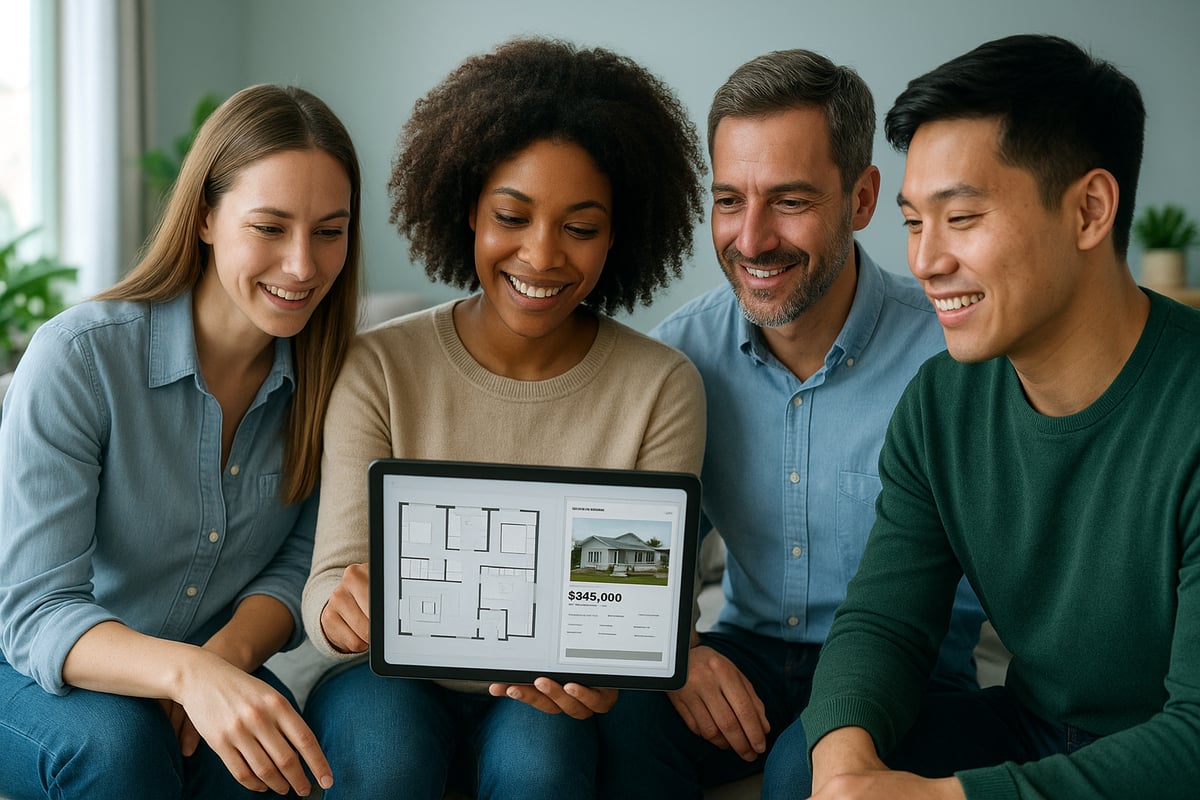
Buying a home can feel overwhelming, especially with the pace of change in real estate in the modern era. If you are ready to explore your options, this step-by-step guide is here to make the process easier and more enjoyable.
We will break down each phase, offer practical tips, and share the latest tools to help you navigate real estate in 2026 with confidence.
Step 1: Assessing Your Readiness and Budget
Before diving into real estate in the current market, take time to reflect on your finances and goals. Start by checking your credit score, reviewing your debt-to-income ratio, and estimating how much you can comfortably afford.
Modern mortgage products now offer digital pre-approval, often powered by AI, giving you a faster, more accurate picture of your buying power. Many buyers find that AI-powered mortgage platforms reduce wait times and paperwork, making the start of your journey smoother.
Down payment trends have shifted, and assistance programs are widely available. If you are a first-time buyer, you might benefit from resources like First-time homebuyer essentials to help you make informed decisions and maximize your budget.
Step 2: Researching the Market and Neighborhoods
Exploring real estate in your target area is easier than ever, thanks to virtual tours and AI-driven property search tools. These platforms allow you to filter by price, amenities, school ratings, and even future development plans.
Consider factors such as commute times, local amenities, and the neighborhood’s long-term potential. Interactive platforms provide real-time data on crime rates, walkability, and community events, helping you visualize life in each area.
Take your time comparing options, and do not hesitate to revisit listings as new data becomes available. The right fit is worth the effort when navigating real estate in a dynamic market.
Step 3: Partnering with Real Estate Professionals
Choosing the right agent can transform your experience with real estate in 2026. Agents now combine local expertise with digital communication tools for seamless collaboration.
Decide whether you prefer a traditional agency or a tech-enabled brokerage. Both offer unique benefits, from tailored advice to data-driven insights. Digital agents can connect through video calls, instant messaging, and shared online dashboards, keeping you in the loop at every stage.
Lean on your agent’s knowledge of real estate in your chosen area to uncover hidden gems, negotiate effectively, and avoid common pitfalls.
Step 4: Viewing Properties and Making Offers
Property viewings have changed dramatically in real estate in the digital age. Virtual and augmented reality showings let you tour homes from anywhere, while high-resolution photography brings every detail to life.
When you find a property you love, work with your agent to craft a competitive offer. Low-inventory markets often require quick action and strategic bidding. Keep an eye on data like average days on market and offer-to-sale ratios to guide your approach.
Remember, speed and flexibility can be the key to success in real estate in competitive neighborhoods.
Step 5: Closing the Deal
The final stretch of buying real estate in 2026 is more streamlined than ever. Digital closing platforms and e-signatures are now commonplace, reducing paperwork and travel.
You will still need to navigate inspections, appraisals, and contingencies, but many steps are now tracked online for transparency. Plan a final walk-through before ownership transfers to ensure everything is as promised.
With the right preparation and support, closing on real estate in today’s market can be a rewarding and efficient experience.
Selling Real Estate in 2026: Strategies for Success
Selling real estate in the fast-paced 2026 market is both an exciting opportunity and a challenge. With rapid advances in technology, evolving buyer preferences, and shifting economic factors, sellers need a fresh approach to stand out. Whether you are a first-time seller or a seasoned investor, knowing how to navigate real estate in the current climate can make all the difference in your success.

Preparing Your Property for Sale
First impressions matter more than ever in real estate in the digital age. Professional staging, decluttering, and investing in high-resolution photography can dramatically increase buyer interest. Homes with smart tech features—think energy-efficient lighting, security systems, and voice assistants—are especially attractive, selling up to 12% faster according to Zillow in 2026.
Simple upgrades like fresh paint, landscaping, and modern fixtures offer strong returns on investment. For a deeper dive into actionable steps, check out Preparing to sell your home for tips tailored to real estate in the current market.
Popular Smart Home Upgrades Table
| Upgrade | Estimated ROI | Buyer Appeal |
|---|---|---|
| Smart Thermostats | High | Very High |
| Security Cameras | Medium | High |
| Voice Assistants | Medium | Medium |
| Energy-Efficient Lights | High | High |
A well-prepared property invites more offers and helps you maximize your return when selling real estate in the 2026 landscape.
Pricing and Marketing Tactics
Getting the price right is crucial in real estate in the competitive 2026 market. AI-powered pricing tools analyze local trends, recent sales, and buyer demand to help you set an optimal price. These tools adapt quickly, ensuring your listing remains attractive if the market shifts.
Effective marketing now spans multiple channels. Social media campaigns, immersive virtual tours, and targeted online ads connect your property with the right buyers. Personalized advertising uses big data to match your home's features with buyer preferences, making your real estate in the spotlight.
Top Marketing Channels for 2026
- Social media platforms (Instagram, TikTok, Facebook)
- Virtual and augmented reality tours
- AI-driven online listings
With these strategies, your real estate in the market can capture more attention and drive faster sales.
Navigating Offers and Negotiations
Receiving multiple offers is common in real estate in the low-inventory environment of 2026. Sellers often need to review bids quickly, weighing not only the price but also contingencies such as inspection waivers or flexible closing dates.
It pays to be prepared. Have a checklist ready for evaluating offers, and lean on your agent's expertise. In a recent case study, a seller used a transparent bidding platform, resulting in a successful bidding war that pushed their sale price above expectations. Understanding common contingencies and how to address them sets your real estate in the best position to close smoothly.
Negotiation Tips
- Respond promptly to offers
- Clarify contingencies early
- Stay flexible on timing if possible
An informed approach ensures your real estate in the negotiation phase remains competitive.
Closing the Sale Efficiently
Closing real estate in the digital era is faster and more streamlined than ever. Digital document management systems and e-signatures let you handle paperwork securely from anywhere. Remote closings are now standard, saving time and reducing stress for sellers and buyers alike.
Coordinate closely with your lender, inspector, and attorney to avoid last-minute surprises. Use checklists to track tasks and deadlines, ensuring your real estate in the closing process is handled efficiently. Reducing the time from offer acceptance to completion puts money in your pocket sooner and lets you move forward with confidence.
Real Estate Investment Opportunities in 2026
Exploring real estate in 2026 brings exciting opportunities for those ready to invest. Whether you are drawn to residential or commercial properties, the landscape is rich with variety. The market is evolving quickly, and now is the perfect time to discover how real estate in the can build wealth and security for your future.

Residential vs. Commercial Investments
Choosing between residential and commercial real estate in 2026 depends on your goals and risk appetite. Residential investments, like single-family homes and multifamily rentals, often offer stable returns and lower entry barriers. Commercial properties, such as office buildings or retail spaces, can yield higher returns but may involve more risk and larger capital commitments.
Here is a quick comparison:
| Investment Type | Pros | Cons |
|---|---|---|
| Residential | Steady demand, easier to finance, lower upkeep | Smaller rental yields, more tenant turnover |
| Commercial | Higher income potential, long-term leases | Larger upfront costs, more exposure to market cycles |
The choice of real estate in your portfolio should reflect your comfort with market shifts and your long-term vision. Both sectors are seeing innovation and new demand patterns in 2026.
Emerging Investment Trends
The landscape of real estate in 2026 features trends that are changing how we invest. Short-term rentals remain popular, especially in tourist-friendly areas, but new regulations are shaping where and how these properties operate. Build-to-rent communities and co-living spaces are growing, offering flexibility and community appeal for younger renters.
Consider these top trends:
- Short-term rentals adapting to local rules
- Build-to-rent neighborhoods for long-term tenants
- Co-living properties attracting Gen Z and millennials
- Mixed-use developments blending residential and retail
- Data shows certain types of real estate in the market are yielding strong ROI, especially in cities with high population growth.
Staying updated on these trends can help you maximize returns and minimize surprises.
Risk Management and Diversification
Managing risk is essential when investing in real estate in 2026. New tools let investors analyze property performance, forecast market trends, and make data-driven decisions. Geographic diversification—owning properties in different regions—helps balance risks from local downturns.
Asset class diversification, like mixing residential with commercial in your portfolio, adds another layer of security. For investors seeking deeper insights and strategies, the Strategies for real estate investors guide offers practical advice tailored to current market realities.
A balanced approach to real estate in the can help weather market volatility and capture new opportunities as they arise.
Financing and Tax Considerations
Financing options for real estate in 2026 are more diverse than ever. Crowdfunding platforms allow small investors to participate in larger deals. Real Estate Investment Trusts (REITs) and fractional ownership models make it easier to access premium properties without massive capital.
Tax laws are also evolving, with updates that impact deductions, capital gains, and depreciation for real estate in the market. Staying proactive and consulting with professionals ensures you benefit from new incentives and avoid costly mistakes.
With the right financing and tax strategies, real estate in 2026 can be a foundation for generational wealth.
Technology and Innovation Transforming Real Estate
The landscape of real estate in the modern era is defined by rapid technological change. Innovations are transforming how we search, buy, sell, and secure properties. Understanding these shifts helps everyone in real estate in the market stay ahead and make smarter decisions.
PropTech Revolution: Tools and Platforms
The PropTech revolution is reshaping real estate in profound ways. Artificial intelligence now powers property searches, making it easier for buyers to find homes that fit their needs. Predictive analytics help investors forecast trends, minimizing risk and maximizing returns.
Blockchain technology is also gaining traction in real estate in the transaction process. Secure digital ledgers make buying and selling more transparent and reduce fraud. Virtual and augmented reality allow for immersive tours, letting buyers experience properties from anywhere in the world.
Here's a quick look at essential PropTech tools:
| Tool Type | Benefit |
|---|---|
| AI Search Platforms | Personalized property matches |
| Predictive Analytics | Market trend forecasting |
| Blockchain Transactions | Enhanced security and trust |
| Virtual Reality Tours | Remote, immersive experiences |
For an in-depth look at how AI is revolutionizing property valuation, check out The Architecture of Trust: AI-Augmented Real Estate Valuation.
Smart Homes and IoT Integration
Smart technology is now a must-have in real estate in the market. Buyers are drawn to homes with integrated IoT devices, such as smart thermostats, security systems, and voice-activated assistants. These features not only add convenience but can also boost property values.
Energy management systems are especially popular, helping owners track and reduce their energy use. This focus on sustainability aligns with growing environmental awareness in real estate in 2026. Smart appliances, automated lighting, and connected door locks are also in high demand.
Key smart home features buyers love:
- Integrated energy management systems
- Smart security alarms and cameras
- Voice-controlled lighting and appliances
Homes with these upgrades often sell faster and at higher prices.
Data Privacy and Security Concerns
As real estate in the digital age becomes more connected, protecting personal information is critical. Digital transactions, e-signatures, and cloud-based document storage are convenient but can expose buyers and sellers to new risks.
Best practices for data security in real estate in the market include using encrypted platforms, regularly updating software, and working with professionals who comply with privacy regulations. It's important for everyone involved to stay informed about the latest threats and solutions.
Regulatory compliance is evolving, with stricter rules on how data is collected and stored. By prioritizing security, we can all build greater trust in real estate in the future.
Future Outlook: What’s Next for Real Estate?
The future of real estate in the is full of promise and possibility. As we look toward 2027 and beyond, buyers, sellers, and investors are eager to understand how the landscape will shift in the coming years. Let’s explore the trends and factors that will shape our journey together.
Market Predictions for 2027 and Beyond
Expert forecasts suggest that real estate in the will continue to experience moderate price growth, with inventory levels slowly improving as new construction rebounds. Climate change is expected to play a larger role, with sustainable building materials and energy-efficient designs becoming industry standards. According to 2026 Residential Real Estate Outlook: 5 Key Trends To Watch, demand for homes with eco-friendly features and flexible layouts is on the rise.
Here’s a quick look at projected trends:
| Trend | Impact on Market |
|---|---|
| Rising sustainability | Higher demand |
| Tech integration | Streamlined sales |
| Flexible spaces | More listings |
The real estate in the is truly evolving in response to global and local pressures.
Policy and Regulatory Changes on the Horizon
Government policy will play a pivotal role in real estate in the coming years. Anticipated interventions include expanded housing affordability programs, changes to zoning laws, and incentives for green construction. These policy shifts aim to make homeownership more accessible and encourage sustainable development.
Potential regulatory changes:
- Affordable housing grants
- Relaxed zoning for mixed-use properties
- Tax incentives for energy-efficient upgrades
Staying updated on these policy trends will be crucial for anyone involved in real estate in the, as regulations can directly impact buying, selling, and investing strategies.
Evolving Consumer Preferences
Consumer tastes are always shifting, and real estate in the is no exception. There is growing demand for properties that offer flexible living spaces, smart home features, and access to community amenities. Gen Z and millennial buyers are leading the way, seeking homes that support remote work, wellness, and sustainability.
Key preferences shaping the market:
- Flexible floorplans
- Smart technology integration
- Outdoor and shared spaces
For more insights on evolving buyer demands, explore Understanding the real estate market, which provides in-depth trend analysis and guidance for navigating these changes.
Preparing for Continued Change
Thriving in real estate in the future means being adaptable and proactive. Buyers, sellers, and investors should commit to lifelong learning, regularly update their strategies, and seek advice from trusted professionals. Embracing technology and staying informed about market trends will help everyone stay ahead.
Practical steps for success:
- Take online courses or attend webinars
- Consult experienced real estate agents
- Monitor local and global market news
By preparing thoughtfully, we can all make the most of opportunities in real estate in the years to come.
As we’ve seen, navigating the real estate market in 2026 means staying informed and having the right support by your side. Whether you’re dreaming about your first home, considering a move, or looking to invest, understanding today’s trends and having local expertise makes all the difference. I’m here to help you feel confident about your next steps and to make the journey as smooth as possible. If you’re ready to see what’s out there or just want to explore your options, let’s take that first step together—Start Your Home Search.