
Are you ready to become a professional home buyer in 2026? The real estate market is evolving quickly, with new trends and strategies shaping the way buyers find success.
This guide brings you expert insights, actionable tips, and must-know trends so you can navigate the competitive landscape with confidence. We will walk you through how to assess your readiness, secure the right financing, find your dream property, negotiate smartly, and close on your terms.
Get ready to unlock the secrets of a smooth, rewarding home buying journey. Let’s build your roadmap to success together.
Assessing Your Home Buying Readiness in 2026
Embarking on your journey as a professional home buyer in 2026 means understanding where you stand today and where you want to be tomorrow. Let’s break down the essential steps to make sure you’re ready to seize the right opportunity, avoid surprises, and make confident decisions every step of the way.

Understanding Your Financial Position
Before you take the leap as a professional home buyer, start by evaluating your credit score—it will directly impact your mortgage rates and loan options. Lenders also pay close attention to your debt-to-income ratio, which helps determine how much you can safely borrow.
Stable employment and verified income are crucial, so gather recent pay stubs and tax returns. Build a realistic budget that considers not just the down payment, but also closing costs and emergency reserves. For reference, the median down payment for first-time buyers in 2025 was 6 percent, according to NAR.
Use online affordability calculators to get a clear sense of what fits your financial reality. These steps ensure you’re not just ready, but prepared to thrive as a professional home buyer.
Evaluating Lifestyle and Long-Term Goals
Ask yourself: Why do you want to become a professional home buyer? Is it an investment, a growing family, or a lifestyle upgrade? Think about your future needs, from additional bedrooms to proximity to schools and amenities.
Consider your job stability and the likelihood of relocation. Remote work trends continue to shift demand toward suburban areas, so factor in how this might affect your choices.
Weigh the rent versus buy equation, especially with 2026’s evolving market. Taking time to align your goals with your purchase will help you make decisions you’ll be happy with for years to come.
Market Conditions and Timing
A professional home buyer always keeps an eye on market trends. Analyze both local and national housing forecasts for 2026. Seasonality matters—certain months may offer better prices or more inventory.
Interest rates and inflation can sway your buying power. For instance, Fannie Mae predicts a 3 percent annual home price growth for 2026. Assess if it’s a buyer’s or seller’s market in your area by tracking inventory levels, average days on market, and price changes.
Staying informed about these trends helps you time your purchase for maximum advantage and avoid common pitfalls.
Preparing Documentation and Pre-Approval
Gather essential paperwork early: tax returns, pay stubs, and bank statements. Getting pre-approved for a mortgage is a smart move for any professional home buyer, especially in a competitive market.
Pre-approval shows sellers you’re serious and ready to act. In fact, pre-approved buyers are twice as likely to have their offers accepted, according to Zillow’s 2025 data. Organizing your documents now sets you up for a smoother process later.
For more tips and step-by-step support, explore First-Time Homebuyer Resources tailored for both first-time and professional home buyers.
Building Your Home Buying Team
No professional home buyer should go it alone. Assemble a team of trusted experts, including a real estate agent, mortgage broker, and attorney. Choose professionals with deep local knowledge and a track record of responsive communication.
Agents with more than a decade of experience close deals 15 percent faster, according to NAR. Set clear expectations for collaboration and stay in touch regularly.
A strong team makes the complex process of home buying smoother and more enjoyable, giving you the confidence to move forward.
Securing Financing: Mortgage Options and Strategies for 2026
Navigating the world of home financing can feel overwhelming, but with the right strategies, every professional home buyer can secure the best possible loan for their needs. Understanding your options and planning ahead will make the process smoother, more affordable, and less stressful.
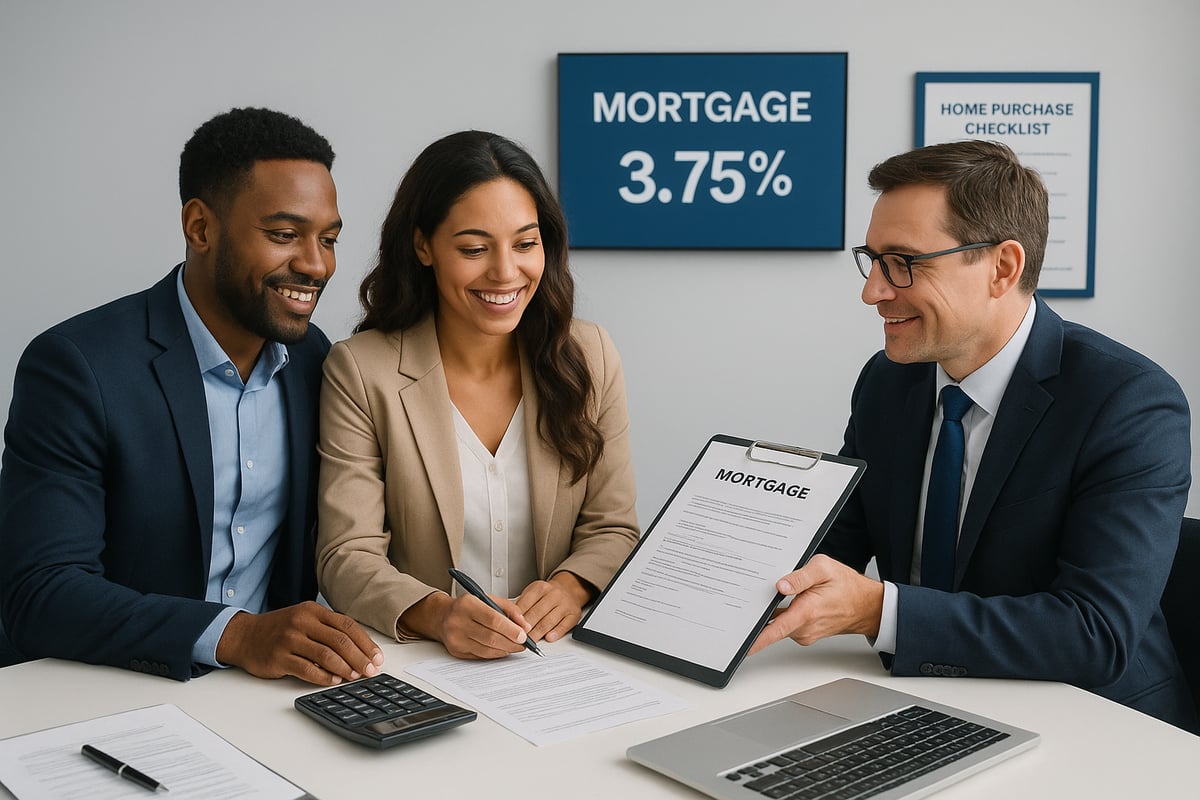
Exploring Mortgage Types and Programs
Choosing the right mortgage is a pivotal step for any professional home buyer. There are several options to consider, each with its own pros and cons. Fixed-rate mortgages offer stability, locking in your payment for the life of the loan. Adjustable-rate mortgages (ARMs) can provide lower initial rates, but may increase later.
Government-backed loans like FHA, VA, and USDA offer flexible requirements, while conventional loans are ideal for those with strong credit. New products in 2026, such as 40-year mortgages, are designed to boost affordability. Many buyers also qualify for down payment assistance, making homeownership more accessible.
If you want in-depth advice on selecting the best loan, check out these Tips for Choosing a Mortgage to guide your decision. Remember, the right program helps you reach your goals as a professional home buyer.
Understanding Interest Rates and Locking In
Interest rates are constantly shifting, influenced by the broader economy and housing trends. In 2026, the average 30-year fixed rate is projected to hover around 6.2 percent, so timing your application can make a significant difference.
A professional home buyer should strategize rate locks, securing a favorable rate when market conditions are right. Consider using points or buydowns to lower your rate, but weigh the upfront costs. Floating your rate can be risky if rates rise unexpectedly.
Talk with your lender about the best time to lock in, and always factor in how even a small change in rates can impact your long-term payments. This approach ensures you maximize savings and minimize surprises as a professional home buyer.
Evaluating Lender Options and Comparing Offers
Not all lenders are created equal, so it pays to shop around. Banks, credit unions, and online lenders each offer unique advantages. Comparing interest rates is just the start; look closely at APR, fees, and potential closing costs.
A smart professional home buyer requests loan estimates from at least three lenders. This not only uncovers the best deal but can also give you negotiation leverage. Be sure to ask about prepayment penalties and flexibility in repayment terms.
| Lender Type | Pros | Cons |
|---|---|---|
| Bank | Full-service, local branches | May have stricter criteria |
| Credit Union | Lower fees, member focus | Membership required |
| Online Lender | Fast approval, convenience | Less personal interaction |
Careful comparison empowers you to make the best choice as a professional home buyer.
Budgeting for Upfront and Ongoing Costs
Securing your dream home involves more than just the mortgage. A professional home buyer should budget for closing costs like appraisals, inspections, and title insurance, which can range from $2,500 to $3,500 in places like Kansas.
Don't forget ongoing expenses: property taxes, homeowners insurance, and possible HOA fees. Set aside funds for regular maintenance and unexpected repairs, as these can add up over time.
To stay on track, create a detailed budget that includes every expense. This preparation helps you avoid surprises and keeps your finances healthy after you move in as a professional home buyer.
Improving Your Approval Odds
Boosting your mortgage approval chances starts before you even apply. The first step for a professional home buyer is to strengthen your credit score—just a 50-point increase can save you thousands over the life of your loan.
Pay down high-interest debts, and avoid making any large financial moves, like buying a car or opening new credit lines. If you have non-traditional income, gather documentation early. Lenders want to see stability and reliability.
By taking these proactive steps, you’ll position yourself as a strong candidate and increase your odds of success as a professional home buyer.
Finding the Right Property: Research, Search, and Selection
Embarking on the search for your ideal home is an exciting chapter for any professional home buyer. This journey is about more than browsing listings—it is about aligning your goals, values, and future plans with the right property. Let us break down the steps to ensure your home search is thorough, strategic, and successful.

Defining Your Home Search Criteria
Every professional home buyer starts by identifying what matters most. Are you looking for a spacious kitchen, a quiet neighborhood, or proximity to top schools? List your must-haves—like number of bedrooms, yard size, or home office space—and separate them from nice-to-haves such as a pool or smart-home features.
Location is just as critical. Consider commute times, access to amenities, and neighborhood growth potential. Reflect on your budget and market trends to set realistic expectations. In 2025, updated kitchens and outdoor spaces topped buyer wish lists, so think about your own priorities.
Stay flexible as you explore. Sometimes, the perfect home may surprise you by meeting most, but not all, of your initial criteria. The professional home buyer knows when to adapt and when to hold firm.
Using Technology and Tools for Home Search
Today’s professional home buyer has powerful digital tools at their fingertips. Start with online MLS platforms and real estate apps to access up-to-date listings. Many apps offer 3D walkthroughs and virtual tours, making it easier to evaluate homes from anywhere.
Set up saved searches with instant notifications for new properties that match your criteria. AI-driven matching tools can streamline your search by suggesting homes you might have missed. In fact, 80% of buyers used mobile apps for their home search in 2025, making technology a vital resource.
Embrace these innovations to maximize efficiency and ensure you never miss an opportunity. The professional home buyer uses technology as a trusted sidekick throughout the search.
Touring Homes and Evaluating Condition
When you are ready to visit homes, plan your tours efficiently. Group showings by area or features to save time. As a professional home buyer, pay close attention to a property's condition—look for signs of deferred maintenance, water damage, or outdated systems.
Always schedule a professional home inspection before committing. This step is essential; 85% of buyers requested inspections before purchase. Inspections reveal hidden issues and help you estimate renovation costs, which is crucial if you are considering upgrading a property.
Keep a checklist handy during tours to compare properties and remember key details. This organized approach sets the professional home buyer apart.
Neighborhood and Community Assessment
Choosing the right neighborhood is just as important as picking the right house. A professional home buyer researches local crime rates, school ratings, walkability, and access to parks or shops. Visiting at different times of day helps you get a true feel for the area.
Talk to neighbors to gather insights on community culture and future development plans. Homes in top-rated school districts often command 10–20% premiums, so factor this into your decision. Assessing resale potential is wise, especially if you might move again in a few years.
A thoughtful neighborhood assessment ensures the property supports your lifestyle and long-term goals as a professional home buyer.
Making the Shortlist and Preparing to Offer
After touring several homes, narrow your choices using a comparison matrix. Rank each property based on your priorities, potential, and overall fit. As a professional home buyer, gather all necessary documents and work with your agent to analyze market values and craft a strong offer.
If you are buying in Kansas, the 8 Steps for Kansas Home Buyers guide offers a great step-by-step roadmap to help you move confidently from search to offer. Homes in Wichita, for example, averaged just 12 days on the market in 2025, so preparation is key.
By staying organized and proactive, the professional home buyer is ready to act quickly when the right opportunity arises.
Making the Offer and Negotiating Like a Pro
Buying a home in 2026 means more than just finding the right property—it’s about making your move with confidence and skill. As a professional home buyer, your success depends on strategy, timing, and knowing how to negotiate. Let’s break down the steps so you can secure your dream home with ease.

Crafting a Competitive Offer
To stand out as a professional home buyer, begin by studying recent comparable sales in your target neighborhood. Work with your agent to determine a fair offer price while factoring in contingencies like inspections and financing. Decide how much earnest money you’re comfortable putting down—it shows sellers you’re serious.
In markets where bidding wars are common, escalation clauses can give your offer an edge. Nearly 40% of buyers in 2025 waived at least one contingency to stay competitive. However, weigh the risks carefully. Use a simple table to organize your offer elements:
| Offer Element | Typical Range | Competitive Edge |
|---|---|---|
| Offer Price | At/above asking | Matches market value |
| Earnest Money | 1-3% of purchase | Higher signals strength |
| Contingencies | 2-3 standard | Waive selectively |
If you’re unsure, check out Avoiding Common Homebuyer Mistakes for expert strategies to help you strengthen your offer.
Navigating Counteroffers and Negotiations
After submitting your offer, be ready for counteroffers. As a professional home buyer, staying flexible is key. Sellers may counter on price, repairs, or even closing dates. Review each point carefully and respond promptly.
Negotiation is about give and take. You might agree to a quicker closing in exchange for a small price reduction, or negotiate repairs based on inspection findings. Clear communication and written agreements protect everyone’s interests. In 2025, one in three buyers negotiated seller concessions, such as covering some closing costs.
Know your limits and don’t be afraid to walk away if the deal doesn’t align with your goals. Trust your team and remember, patience often pays off.
Managing Contingencies and Timelines
Contingencies protect you as a professional home buyer. The most common are inspection, appraisal, and financing. Set clear deadlines for each step and stay in touch with your agent and lender to keep everything on track.
Removing contingencies too quickly can be risky. For instance, if an appraisal comes in low, you might face a gap between the loan amount and sale price. Discuss creative solutions with your agent, like negotiating a price reduction or bridging the gap with extra funds.
Use a checklist to monitor your progress and avoid missing key deadlines. Staying organized ensures a smooth path to closing.
Legal and Contractual Considerations
Every professional home buyer should review all contracts and addenda before signing. Understand local real estate laws, required disclosures, and any special terms that apply to your purchase.
Some transactions require attorney involvement, especially if you’re buying a unique property or dealing with complex contingencies. Common disclosures include lead paint or flood zone status, depending on the property’s age and location.
Keep copies of every document and ask questions if anything is unclear. Your agent and attorney are there to help you avoid legal pitfalls and ensure your interests are protected.
Responding to Multiple Offer Scenarios
In a hot market, it’s common for a professional home buyer to face multiple offer situations. To stand out, you can include a personal letter to the seller, though results vary. Consider whether an all-cash or financed offer is best for your situation; all-cash buyers in 2025 closed twice as fast on average.
Stay flexible and resilient. If your first offer isn’t accepted, don’t lose heart. Keep searching and refining your approach. With the right strategy and support, you’ll find the home that fits your needs.
The Closing Process: Steps to Homeownership in 2026
Navigating the closing process is a major milestone for any professional home buyer. This final stretch is filled with important details, paperwork, and anticipation. By understanding each step, you’ll feel confident and ready to take the keys to your new home.
Home Inspection and Appraisal
As a professional home buyer, the home inspection and appraisal are your first big hurdles in closing. Schedule your inspection promptly and attend if you can. Inspections often uncover issues like roofing, plumbing, or electrical concerns.
- Common issues: roof leaks, HVAC problems, outdated wiring
- Negotiation points: repairs, price adjustments, seller credits
The appraisal follows, ensuring the home's value matches your agreed price. If the home appraises lower, you may need to renegotiate or bring extra funds. According to NAR’s 2026 Housing Market Forecast, about 15% of contracts fall through at this stage, so proactive communication is key.
Finalizing Your Mortgage and Underwriting
A professional home buyer knows that mortgage approval isn’t final until closing. The lender will request updated documents, like pay stubs or bank statements, for underwriting.
Stay responsive and avoid major financial changes. Underwriting can take 30 to 45 days, so patience is a virtue here. Confirm your rate lock and carefully review final disclosures.
- Submit all requested paperwork quickly
- Double-check your employment status remains stable
- Avoid new credit inquiries or large purchases
If any issues arise, work closely with your lender and agent to resolve them. This teamwork keeps your closing on track.
Title Search and Insurance
Every professional home buyer should understand the importance of a clear title. Title companies research the property’s history to uncover liens, unpaid taxes, or ownership disputes.
You’ll need to purchase both owner’s and lender’s title insurance. This protects your investment from hidden claims. Title issues affect 1 in 10 transactions nationwide, so review your settlement statement for accuracy.
- Check for easements or restrictions
- Ensure all past taxes are paid
- Ask questions if anything seems unclear
A smooth title process gives you peace of mind and helps prevent future headaches.
Closing Disclosure and Final Walkthrough
Your lender will send you a Closing Disclosure (CD) at least three days before closing. As a professional home buyer, compare the CD to your original loan estimate, checking for unexpected fees or changes.
Schedule your final walkthrough within 24 hours of closing. Confirm that repairs are complete and the home is in agreed-upon condition. According to Realtor.com’s 2026 Housing Forecast, 95% of buyers have issues resolved before closing, highlighting the value of this step.
Bring a checklist to ensure nothing is overlooked during your walkthrough.
Closing Day: What to Expect
The big day has arrived, and as a professional home buyer, you’re almost at the finish line. You’ll meet at the title company or attorney’s office to sign documents and transfer funds.
Expect to:
- Review and sign final paperwork
- Provide identification and proof of funds
- Receive keys once the deed is recorded
With e-closings expected to reach 70% adoption by 2026, the process may be faster and more convenient than ever. Celebrate your new home, knowing you’ve followed every step like a pro.
Post-Purchase Success: Settling In and Maximizing Your Investment
Congratulations, you have crossed the finish line as a professional home buyer! Now, it is time to settle in, make your new house feel like home, and start making smart choices to protect your investment. Let us walk through the essential steps to ensure your transition is smooth and your homeownership journey is a rewarding one.
Moving In and Home Setup
The first days in your new home as a professional home buyer set the tone for your experience. Plan your move carefully by booking movers early, labeling boxes by room, and creating a move-in checklist. Remember to update your address with banks, subscriptions, and the postal service.
Before unpacking, inspect each room for any missed repairs or cleaning needs. Connect utilities such as water, gas, electricity, and internet. Set up essential services like trash collection and security systems. Creating a home maintenance plan now helps keep your investment in top shape. Did you know 60% of buyers underestimate moving costs? Budget extra to avoid surprises.
Understanding Homeownership Responsibilities
Taking on the role of a professional home buyer means ongoing responsibilities. Start with a seasonal maintenance checklist to handle tasks like gutter cleaning, HVAC servicing, and lawn care. Schedule reminders for routine upkeep to prevent costly repairs.
Review your homeowners insurance and update it to reflect your new property’s value and features. Stay informed about local regulations and any HOA rules that might affect your property. On average, annual maintenance costs run 1 to 3% of the home’s value, so build an emergency fund for repairs and unexpected expenses.
Building Equity and Financial Planning
As a professional home buyer, building equity is your next goal. Consider making extra mortgage payments when possible, or explore refinancing options if rates drop. Home equity can also fund renovations or serve as a safety net.
Keep an eye on your property’s value and appreciation trends. According to Zillow’s 2026 Housing Market Predictions, home values are expected to continue rising steadily. This means your investment could grow year over year. Take advantage of potential tax deductions and consult a financial advisor to maximize your returns.
Staying Informed and Connected
Your journey as a professional home buyer does not end at move-in. Join neighborhood groups, attend community events, and connect with local organizations. Staying active in your community can increase your satisfaction and help you form lasting relationships.
Keep learning about local real estate trends and property values. Use resources like online forums, workshops, or newsletters to stay updated. When the time feels right, consider if refinancing, upgrading, or selling aligns with your goals. Staying connected ensures you make informed decisions and continue to thrive as a homeowner.
Now that you know what it takes to become a confident home buyer in 2026, why not take the next step together? With so many exciting opportunities in South Central Kansas, finding a place you’ll love is within reach. Whether you’re dreaming of your first home or searching for your next investment, you don’t have to navigate this journey alone. Let’s put all these expert tips into action and start exploring what’s available in your favorite neighborhoods. Ready to find a home that truly fits your life and goals? Start Your Home Search