
Imagine stepping into 2026, where home properties are evolving faster than ever. Changing market trends, technology, and shifting buyer preferences are transforming how we find, own, and invest in homes.
This essential guide is designed for anyone looking to stay ahead in the world of home properties. You’ll discover expert insights, actionable tips, and future-focused analysis to help you make smart decisions as a homeowner, buyer, or investor.
Explore the latest property types, market trends, investment strategies, and smart home innovations. Learn practical steps to buy or sell with confidence. Let’s use these insights together to reach your property goals in 2026.
The Evolving Landscape of Home Properties in 2026
Navigating the world of home properties in 2026 feels like stepping into a new era. The landscape is shifting rapidly, and we’re seeing fresh trends that are changing how we live, buy, and invest. Let’s explore what’s shaping this exciting market together.
Key Property Types and Their Roles
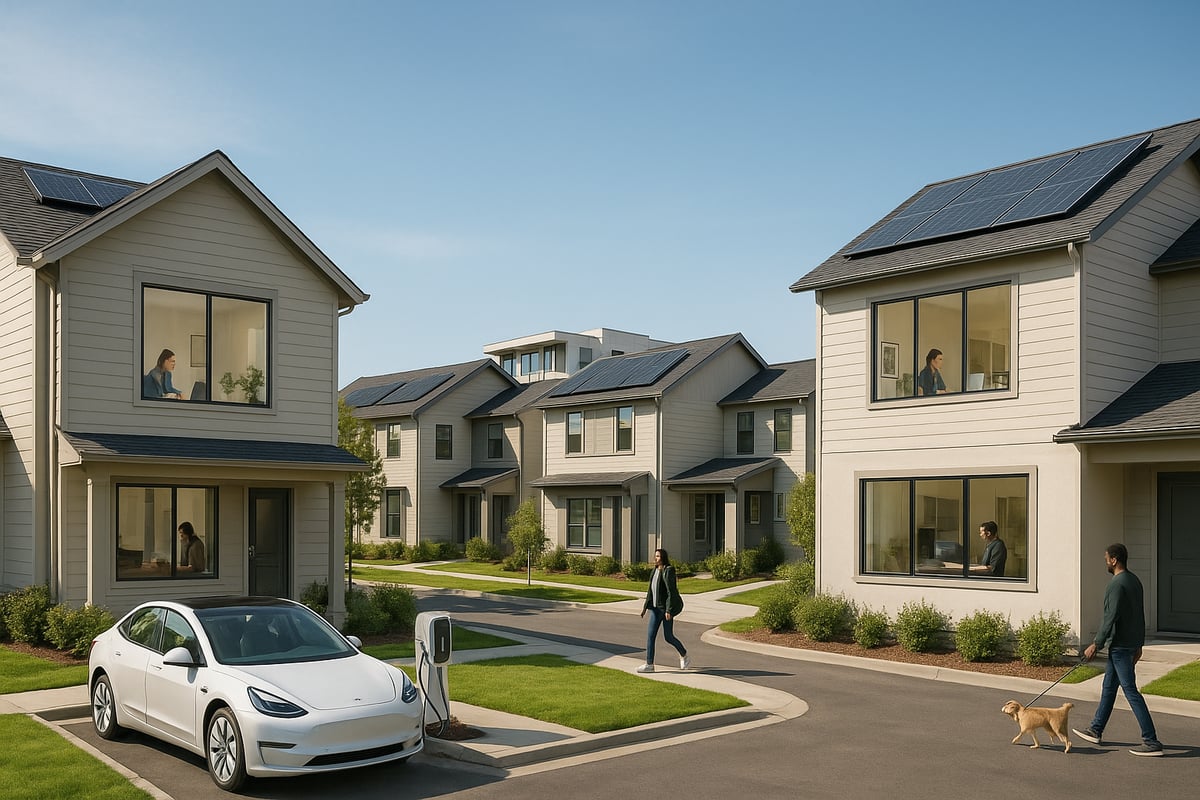
In 2026, home properties are more diverse than ever. Single-family homes remain a favorite for many, providing space and privacy. Condos and townhouses are popular in urban cores, offering convenience and lower maintenance. Multi-family units are thriving, especially as affordability becomes a bigger concern.
Here’s a quick comparison:
| Property Type | Key Features | Popular Locations |
|---|---|---|
| Single-Family Home | Private yard, space | Suburbs, rural, exurbs |
| Condo | Shared amenities | Urban, downtown areas |
| Townhouse | Multi-level, compact | Urban, suburban |
| Multi-Family Unit | Rental income, shared | City outskirts, suburbs |
Mixed-use developments are on the rise, blending residential, retail, and office spaces. These communities create vibrant neighborhoods where everything is within reach. People love the walkability and the sense of connection they bring to home properties.
Urban, suburban, and rural trends are shifting. With remote work becoming the norm, more buyers are choosing suburban and even rural home properties for extra space and a quieter lifestyle. Flexible living spaces, like in-law suites and dedicated home offices, are now must-haves.
Developers are responding with innovative designs. For example, new communities feature co-working lounges, rooftop gardens, and adaptable floor plans. Data shows multi-family units have grown significantly, and suburban migration is at a decade high.
If you’re thinking about what type of home properties best fit your lifestyle, it’s an exciting time to explore your options.
Market Drivers and Influences
Several powerful forces are shaping home properties in 2026. Economic factors, like rising interest rates and inflation, play a major role in market dynamics. Employment trends also impact where and what people buy.
Demographics are shifting as Millennials and Gen Z step into the market. Their preferences lean toward tech-friendly, sustainable home properties with flexible layouts. Government policies, such as new homebuyer incentives and tax credits for energy-efficient upgrades, provide added motivation.
Sustainability is no longer just a buzzword. Buyers are seeking eco-conscious home properties, and builders are meeting the demand with green materials and energy-saving features. Technology has transformed the way we search for, tour, and purchase homes, making the process more accessible and transparent.
Want a deep dive into what’s driving these changes? The Emerging Trends in Real Estate 2026 report offers a comprehensive look at the forces shaping the future of home properties.
Together, these drivers make 2026 a pivotal year. Whether you’re buying, selling, or investing, understanding the evolving landscape of home properties will help you make smart, confident decisions.
Real Estate Market Trends & Forecasts for 2026
Navigating the market for home properties in 2026 means understanding a landscape shaped by evolving prices, shifting inventory, and dynamic growth regions. Let’s break down what buyers, sellers, and investors can expect in the coming year.
Home Prices and Affordability
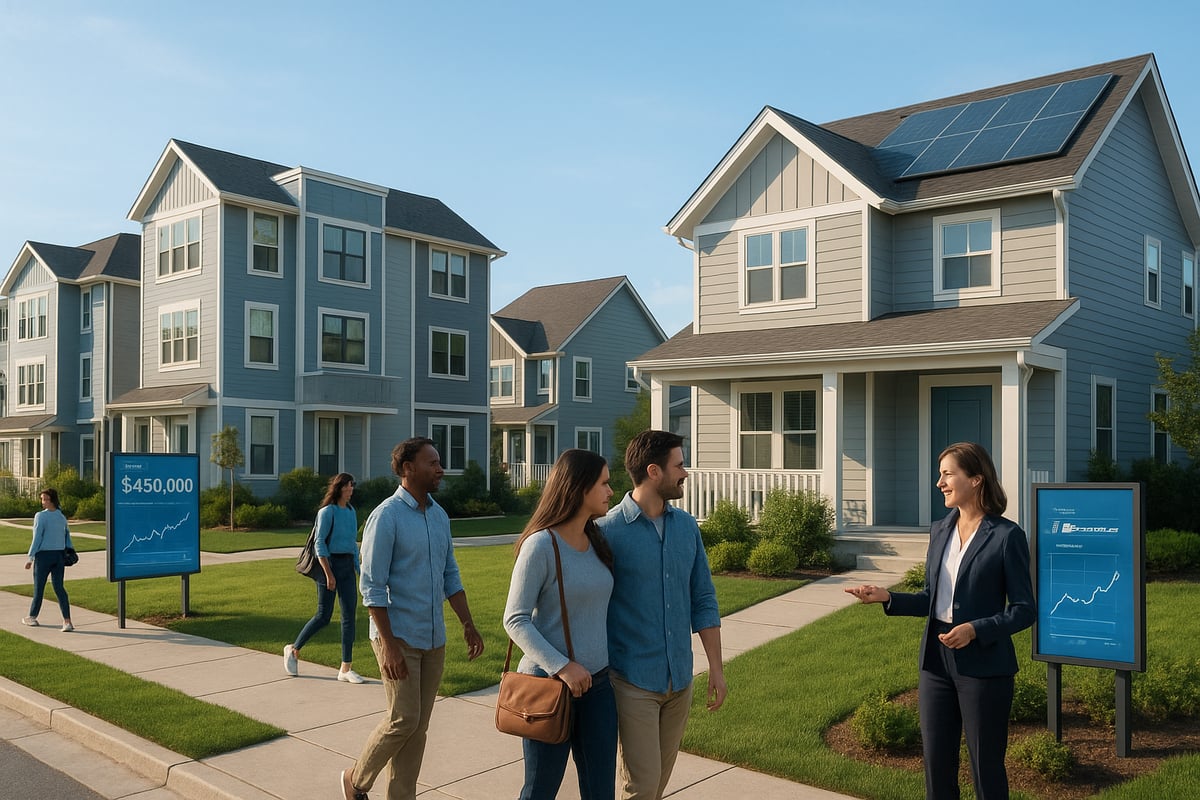
The outlook for home properties in 2026 points to steady, moderate price growth on a national scale. Experts predict that while prices will continue to rise, the pace should be more manageable compared to the last few years. This shift is welcome news for buyers who have seen affordability stretched by rapid appreciation.
Key factors shaping affordability include wage growth, mortgage rates, and the persistent challenge of limited housing supply. As interest rates stabilize, many buyers may find their purchasing power slightly improved. However, home properties in high-demand regions could remain out of reach for some first-time buyers, especially where new construction lags behind demand.
Certain cities and regions stand out for notable price changes. For example, some Sun Belt cities are projected to see stronger appreciation, while select coastal markets may experience slower growth. For a deeper dive into projected sales and price trends, check out Zillow’s 2026 Housing Market Forecast. Historical data shows that national home price appreciation averaged 4% annually over the past decade, but forecasts suggest a slightly lower rate for 2026.
Affordability will also be shaped by local economic conditions and evolving buyer preferences. Staying informed on these trends can help you make the best decisions when considering home properties.
Inventory, Demand, and Supply Dynamics
Inventory levels for home properties are expected to gradually improve in 2026, thanks to increased new construction and more homeowners listing their properties. While shortages will persist in some markets, the overall balance between buyers and sellers should become more even, reducing the intense competition seen in previous years.
The demand for certain types of home properties is shifting. Flexible living spaces, multi-family units, and homes with dedicated workspaces are in high demand, reflecting changes in how people live and work. Short-term rentals and investment properties also play a significant role, sometimes limiting inventory for traditional buyers.
Here’s a quick look at expected market conditions:
| Market Type | Outlook for 2026 |
|---|---|
| Buyer’s Market | Emerging in some regions |
| Seller’s Market | Cooling, but still present in urban hotspots |
| Balanced Market | Becoming more common nationally |
With more options available, buyers may have greater negotiating power, but desirable home properties will still attract strong interest. Investors should pay close attention to supply trends and local regulations, as these can impact both value and rental opportunities.
Regional Hotspots and Growth Areas
When it comes to home properties, location remains everything. In 2026, emerging markets and high-growth areas are capturing attention, fueled by migration patterns and economic development. Suburban regions near major cities continue to attract families and remote workers seeking more space and affordability.
Urban revitalization projects are transforming older neighborhoods, bringing new life and investment. Suburban expansion is also on the rise as infrastructure improves and new amenities are developed. Migration data shows states in the South and West leading in population growth, reflecting broader shifts toward warmer climates and job-rich areas.
Let’s summarize some key regional trends:
| Region | Growth Trend |
|---|---|
| Sun Belt | High migration, strong price growth |
| Midwest | Steady growth, increased affordability |
| Coastal Cities | Slower appreciation, higher prices |
| Rural Areas | Modest growth, niche opportunities |
Understanding where people are moving and why helps buyers and investors identify promising home properties. Keep an eye on local development plans and economic indicators to spot the next big opportunity.
Smart Home Innovations & Sustainable Living
The world of home properties is rapidly evolving, and in 2026, technology and sustainability are at the heart of this transformation. Whether you're buying, selling, or simply dreaming of your next space, understanding these innovations helps us all make smarter, healthier choices. Let's explore how today's trends are shaping the home properties of tomorrow.
Technology Transforming Home Properties
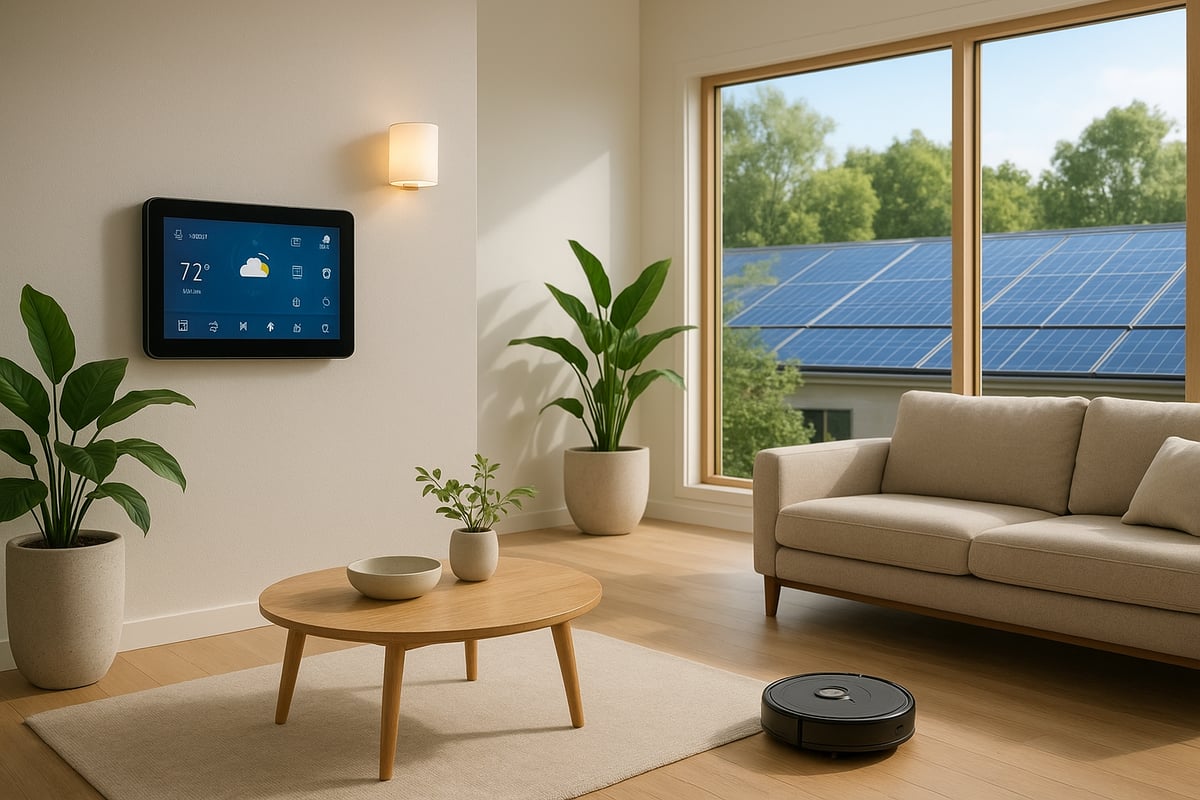
Smart technology is making home properties more convenient, secure, and energy-efficient than ever. In 2026, you'll find features like voice-activated assistants, automated lighting, and smart thermostats as standard in many homes. Homeowners are embracing devices that monitor security, control appliances, and even learn daily habits to optimize comfort.
According to Smart Home Market Trends 2025, over 60% of U.S. households are expected to adopt at least one smart home product by 2026. Popular examples include smart locks, video doorbells, and integrated energy management systems. These technologies not only boost convenience but can also increase the value of home properties.
AI-powered home assistants and IoT devices help streamline everyday tasks. Imagine adjusting your home's temperature or checking security cameras from your phone—these innovations redefine what it means to live in modern home properties.
Eco-Friendly Features and Green Building Trends
Sustainability is a top priority for buyers and sellers of home properties in 2026. Energy-efficient appliances, solar panels, and green roofs are becoming must-have features. Builders are using recycled materials and non-toxic finishes, making homes healthier and more environmentally friendly.
Green certifications, such as LEED and Energy Star, are influencing purchasing decisions. Many local governments now offer incentives for eco-friendly upgrades, further encouraging homeowners to invest in sustainable home properties.
Water-saving systems and improved insulation help reduce costs and carbon footprints. The demand for these features shows that today's home properties are not just about comfort, but also about caring for our planet and future generations.
Health, Wellness, and Future-Proofing Homes
Health and well-being have become essential considerations in home properties. Builders are prioritizing features like advanced air filtration, natural lighting, and biophilic design, which brings elements of nature indoors. Wellness spaces—think home gyms, meditation rooms, and spa-like bathrooms—are on the rise.
Future-proofing is also key. Home properties are now designed for long-term accessibility, with wider doorways, step-free entries, and adaptable layouts. These standards ensure that homes remain comfortable for people of all ages and abilities.
By integrating wellness features and flexible design, home properties in 2026 support both our physical health and our peace of mind. This holistic approach is reshaping what we expect from the places we call home.
Step-by-Step Guide: Buying or Selling a Home in 2026
Buying or selling home properties in 2026 is a journey filled with exciting opportunities and new challenges. With technology, shifting market trends, and evolving buyer expectations, the path looks different than it did just a few years ago. Whether you are a first-time buyer, an experienced investor, or preparing to sell, following a clear, actionable roadmap can make your experience smoother and more successful.

Step 1: Assessing Your Needs and Financial Readiness
The first step toward navigating home properties is to understand your unique goals and financial situation. Are you looking for a forever home, a flexible space for remote work, or an investment property? Clarifying your intentions helps you focus your search and set realistic expectations.
Before browsing listings, take a close look at your finances. Check your credit score, calculate your available down payment, and estimate what monthly payments fit your budget. Getting pre-approved for a mortgage gives you a competitive edge and a clear sense of your buying power.
Helpful tools include budgeting apps, online mortgage calculators, and consultation with a financial advisor. These resources help you map out your path and avoid surprises along the way.
- Identify your top priorities (location, size, amenities)
- Review your savings and credit health
- Research mortgage options and pre-approval processes
Knowing your financial readiness sets you up for success in the fast-paced world of home properties.
Step 2: Navigating the Property Search
With your goals and finances in place, it is time to dive into the search for home properties. In 2026, advanced platforms offer personalized recommendations, virtual tours, and detailed neighborhood insights powered by AI. These tools save time and help you visualize potential homes from anywhere.
Consider leveraging smart search filters to match your lifestyle needs, such as proximity to work, schools, or public transit. Virtual tours and 3D walkthroughs allow you to explore multiple options without stepping outside.
Working with a local real estate agent remains invaluable, as they provide market expertise and negotiation skills. For additional guidance, you might find these tips for buying a home helpful as you refine your search strategy.
- Use AI-driven search tools
- Take virtual and in-person tours
- Consult local experts for up-to-date insights
Finding the right home properties is about combining technology with trusted human advice.
Step 3: Making Offers and Negotiating
Once you have found home properties that fit your needs, it is time to make an offer. In 2026, competitive markets require strong strategies. Understanding local trends and recent sales data helps you craft an appealing offer without overreaching.
Offers often include contingencies for financing, inspections, or the sale of your current home. Earnest money shows your commitment, while escalation clauses can help in bidding wars.
Negotiation is both an art and a science. Stay flexible, communicate clearly, and be prepared to walk away if terms do not align with your goals.
- Review comparable sales and market data
- Include necessary contingencies
- Prepare for counteroffers and negotiations
Making informed offers on home properties increases your chances of a smooth transaction.
Step 4: Home Inspections, Appraisals, and Closing
After your offer is accepted, the process moves to inspections and appraisals. These steps ensure that home properties are in good condition and valued accurately. A professional inspection uncovers potential repairs or issues, allowing you to renegotiate or request fixes if needed.
The appraisal determines if the property's value matches your agreed price, which is crucial for securing financing. Address any valuation gaps promptly with your lender or agent.
The closing process involves finalizing paperwork, transferring funds, and completing a final walkthrough. Staying organized and in close contact with your agent helps ensure everything goes smoothly.
- Schedule thorough inspections
- Review appraisal findings
- Complete closing paperwork and walkthrough
These final steps secure your investment in home properties and set the stage for move-in day.
Step 5: Post-Purchase Considerations
Congratulations! After closing, your journey with home properties continues. Start by setting up essential utilities, changing locks, and familiarizing yourself with maintenance schedules. Consider investing in a home warranty or service plan for added peace of mind.
Plan upgrades or renovations that boost comfort and value, such as smart technology or sustainable features. Connect with local community groups and resources for new homeowners, as they offer support and advice tailored to 2026's evolving landscape.
- Transfer and activate utilities
- Schedule regular maintenance
- Explore renovation and upgrade opportunities
By staying proactive, you will enjoy lasting value and satisfaction from your home properties experience.
Investment Strategies for Modern Home Properties
Exploring investment strategies for home properties in 2026 opens up a world of opportunity. With new technology, shifting market dynamics, and changing lifestyles, finding the right approach can help us build wealth and secure our futures. Whether you are a seasoned investor or just starting out, understanding the latest trends and tools is essential for making confident decisions.
Residential Real Estate Investment Approaches
There are several ways to invest in home properties, each with its own benefits and challenges. The buy-and-hold strategy remains popular, allowing investors to build equity and generate rental income over time. For those who prefer a more hands-on approach, fix-and-flip opportunities let us renovate and sell properties for a profit, often within a short timeframe.
Short-term rentals, such as vacation homes or Airbnb listings, are thriving thanks to flexible travel trends. Multi-family and mixed-use properties are also gaining traction, offering multiple income streams and better risk diversification. In 2026, we see many investors seeking out developments that combine residential, retail, and office spaces to maximize value.
If you’re looking for more detailed tips, check out these real estate investment strategies designed to help you navigate the evolving world of home properties. Choosing the right investment style depends on your goals, risk tolerance, and the local market landscape.
Risk Management and Financial Planning
Navigating the risks of investing in home properties means being proactive and prepared. Market volatility, changing interest rates, and shifting regulations can all impact returns. That’s why diversification is key—spreading your investments across different property types or regions can help balance risk.
It’s also important to stay on top of tax laws and legal requirements. Many investors work closely with financial advisors and real estate attorneys to optimize their portfolios and avoid costly mistakes. Planning ahead for maintenance costs, vacancy periods, and unexpected repairs can protect your bottom line.
By taking a thoughtful approach to financial planning, we can turn challenges into opportunities. The right strategy ensures your investment in home properties remains resilient, even as the market evolves.
Technology Tools for Investors
Technology is transforming how we invest in home properties. Data analytics platforms now provide real-time insights on pricing trends, rental yields, and neighborhood growth. Property management software streamlines everything from tenant screening to rent collection, saving time and reducing stress.
Online platforms have made crowdfunding and fractional ownership more accessible, letting us invest in multiple properties with lower upfront capital. Artificial intelligence can even suggest properties that match our investment goals, making the search process faster and smarter.
Embracing these tools not only improves efficiency but also boosts returns. In 2026, staying ahead means leveraging the best technology to make informed decisions in the world of home properties.
Navigating Legal, Financial, and Regulatory Changes
Adapting to legal, financial, and regulatory changes is crucial for anyone involved with home properties in 2026. These shifts can shape the buying, selling, and investing experience, so staying informed helps us make confident decisions together.
Key Legal Considerations in 2026
In 2026, the legal landscape for home properties is evolving quickly. Recent updates to property law, digital transaction processes, and documentation requirements are making buying and selling more streamlined but also more complex.
Some key legal considerations include:
- Zoning and Land Use: More cities are updating zoning laws to allow for flexible living spaces and mixed-use developments.
- Homeowners Associations (HOAs): New rules about transparency and dispute resolution are in place, making it easier for buyers to understand HOA obligations.
- Fair Housing Laws: Expanded anti-discrimination measures help ensure equal access to home properties for all, regardless of background.
Staying current with these changes is essential. Homeowners and buyers should always review local ordinances and consult with real estate experts before making decisions about home properties.
Financing Options and Mortgage Innovations
Financing home properties in 2026 looks quite different from just a few years ago. Digital lending platforms have made mortgage applications faster and more accessible, with a wider range of loan products tailored to diverse needs.
Some innovations in financing include:
- Digital Mortgages: Application and approval take place online, often with instant pre-qualification.
- Flexible Loan Products: Adjustable rates, green home incentives, and first-time buyer programs are widely available.
- Interest Rate Trends: Rates may fluctuate, so locking in favorable terms is key for budgeting.
Government programs continue to provide support, especially for new buyers. For a deeper dive into these resources, check out the First-time homebuyer essentials page, which offers step-by-step guidance.
Whether you are upgrading, downsizing, or investing in home properties, exploring all available financing options will help you maximize your purchasing power.
Preparing for Regulatory Shifts
Regulatory changes can impact everything from property taxes to investment returns. In 2026, we’re seeing ongoing updates to environmental standards, rent control measures, and tax policies affecting home properties.
Key areas to watch:
- Property Taxes: Adjustments in local tax rates or assessments can influence affordability.
- Rent Control: New policies may affect investment strategies, especially in high-demand areas.
- Environmental Compliance: Stricter standards for energy efficiency and safety are on the rise.
The best way to stay ahead is to regularly consult with legal and financial professionals, monitor local government updates, and use reputable resources for the latest guidance. By staying proactive, we can navigate the evolving landscape of home properties with confidence and peace of mind.
Maximizing Value: Home Improvements & Market Positioning
Maximizing the value of home properties in 2026 is all about understanding what today’s buyers want, leveraging smart improvements, and presenting a property in its best possible light. Whether you’re preparing to sell or simply want to boost your home’s worth, knowing where to focus your efforts can make all the difference.
Renovation and Upgrade Trends for 2026
In 2026, the most valuable upgrades for home properties focus on kitchens, bathrooms, and open-concept living spaces. Buyers are drawn to modern layouts, energy-efficient appliances, and sustainable materials. Smart features, such as app-controlled lighting and automated climate systems, are now expected rather than optional.
Eco-friendly updates are especially popular, with solar panels, energy-saving windows, and water-efficient fixtures topping the list. These improvements not only attract buyers but also cut monthly costs for homeowners.
To see which upgrades deliver the best return, check out this helpful guide on home improvement updates that payoff. According to recent data, kitchen remodels often recoup up to 75 percent of their cost, while adding a smart thermostat can boost appeal without breaking the bank.
Staging, Marketing, and Curb Appeal
First impressions matter more than ever for home properties, and professional staging can elevate your space from ordinary to unforgettable. Staged homes are shown to sell faster and often for higher prices, thanks to carefully selected furnishings and décor that highlight key features.
Digital marketing is also a must. Virtual tours, high-resolution photography, and engaging social media campaigns draw in more buyers. Consider a before-and-after comparison: a staged, well-marketed home can stand out in crowded online listings, increasing both interest and perceived value.
Simple curb appeal upgrades like fresh landscaping, a painted front door, and updated lighting create a welcoming atmosphere even before buyers step inside. Every detail counts when positioning home properties for success in 2026.
Timing the Market for Optimal Results
When it comes to selling or buying home properties, timing can significantly impact your results. Market cycles and seasonal trends influence inventory levels and buyer demand. Historically, spring and early summer bring more buyers, while late fall and winter may offer less competition but also fewer active house-hunters.
Analyzing local data helps pinpoint the best window for your transaction. Watch for signals like rising listing prices, faster sales, or changes in mortgage rates. In 2026, staying flexible and monitoring these trends will help you maximize your sale price or snag a great deal.
Standing out in a competitive market also means being prepared. Have your paperwork in order, work with a knowledgeable agent, and be ready to act quickly when the right opportunity arises.
Leveraging Professional Expertise
Navigating the evolving world of home properties is easier with the right professionals by your side. Real estate agents, brokers, and consultants bring local market knowledge and negotiation skills that can make the process smoother and more profitable.
When choosing a professional, look for someone who understands your goals and communicates clearly. Ask about their experience with home properties in your area and how they use technology to market homes.
A trusted expert can help you set the right price, recommend tailored improvements, and guide you through every step of the process. With their support, you can feel confident that your home properties are positioned for maximum value in 2026.
We’ve covered so much about what it takes to navigate the ever evolving home market in 2026—from understanding new trends and technology to making confident decisions whether you’re buying, selling, or investing. If you’re feeling inspired to take the next step and see what options are out there, you’re not alone—this is an exciting time to explore! We’re here as your guide every step of the way. Ready to discover homes that fit your dreams and goals? Let’s take the first step together—Start Your Home Search and see what’s possible!