
Thinking about buying “as is in real estate” in 2026? These homes can offer incredible deals, but they often come with surprises that catch buyers off guard. Are you ready to navigate the risks and rewards?
This guide breaks down everything you need to know about “as is in real estate”—from what it truly means and legal protections, to inspection strategies, negotiation tips, and how to keep your investment safe.
We will explore the definition, key differences from standard sales, legal details, how inspections work, common pitfalls, negotiation strategies, and important buyer protections. With real-world stories and expert advice, you will learn how to spot opportunities, save money, and avoid costly mistakes.
Ready to make a smart move? Let’s get started and turn uncertainty into confidence.
What Does “As Is” Mean in Real Estate?
Buying a home is a big step, and when you see “as is in real estate” listings, it’s natural to wonder what you’re really getting into. Let’s break down what this term means and how it affects your journey as a buyer.
Definition and Core Concept
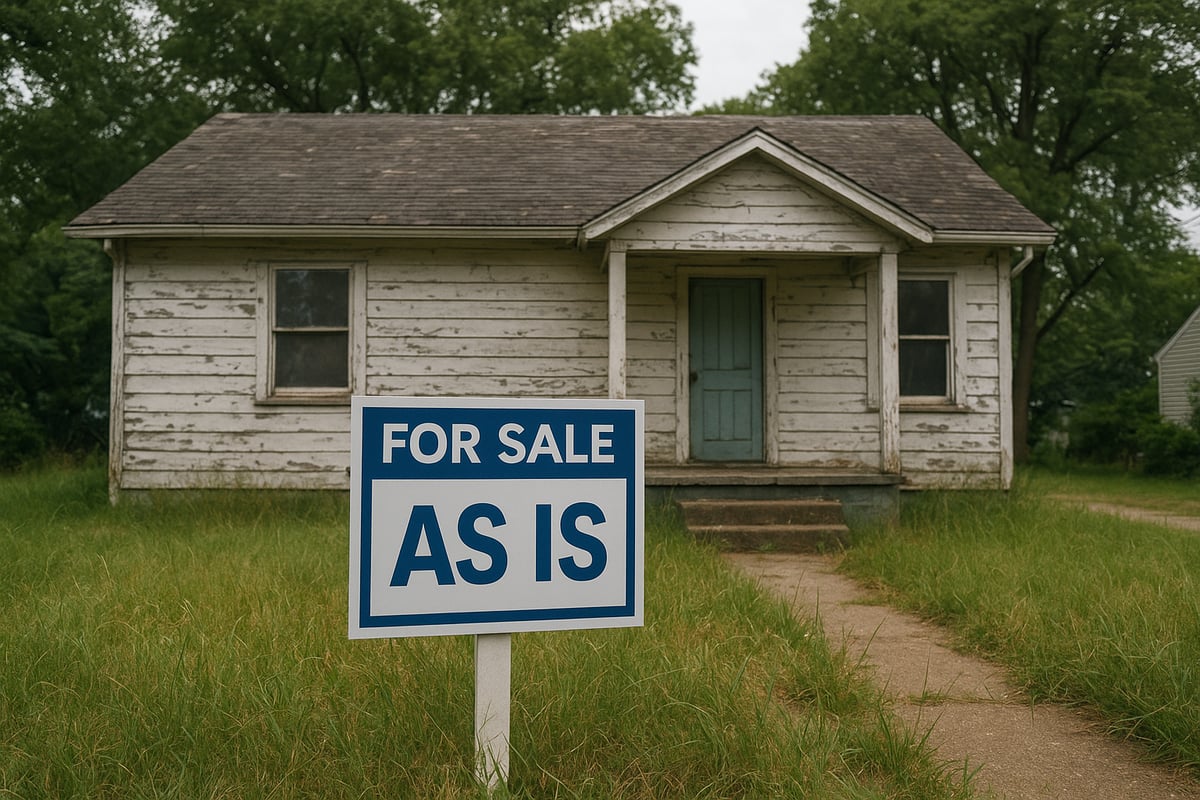
In real estate, “as is in real estate” means the property is being sold exactly as you see it, with no promises from the seller to fix anything before closing. This can apply to the whole house or just certain parts, like the roof or HVAC system.
- Buyers take the property with all its visible and hidden flaws.
- You often see “as is” on estate sales, foreclosures, or homes needing lots of repairs.
- Unlike standard sales, sellers here make no commitments to improve the property.
This approach is different, so understanding “as is in real estate” is essential before making any decisions.
Key Differences from Traditional Sales
Traditional sales usually involve some back-and-forth after inspections, like negotiating repairs or price adjustments. With “as is in real estate,” the rules change:
| Traditional Sale | “As Is” Sale |
|---|---|
| Repairs often negotiated | No obligation for seller repairs |
| Price may adjust post-inspection | Price usually set at start |
| Seller may fix issues | Buyer accepts all defects |
Sellers might still have to disclose known problems, depending on state law. “As is” homes are often priced lower, but that discount comes with increased risk.
Buyer Responsibilities and Risks
When considering “as is in real estate,” buyers shoulder more responsibility. You need to:
- Arrange a thorough inspection.
- Review the property title for liens or claims.
- Research the home’s history and neighborhood.
Any repairs after closing become your job, and costs can add up fast. Industry surveys show “as is in real estate” homes may sell 10-20% below market value, but unexpected repairs can run into tens of thousands.
Seller Motivations
Why would a seller choose “as is in real estate”? Often, it’s about speed or avoiding the headache of repairs.
- Estate executors might want a quick sale.
- Banks selling foreclosures may not want to invest in repairs.
- Owners with limited resources may not afford to fix issues.
This doesn’t always mean the home is a “money pit,” but it does signal the need for extra caution.
Legal Meaning and Contract Language
The term “as is in real estate” must be spelled out in the purchase contract. Legal definitions can change from state to state, so it’s vital to review the language with a real estate attorney.
Some contracts might cover only certain parts of the home, while others apply to everything. Always check for exceptions or special terms that could affect your rights as a buyer.
Common Misconceptions
Many people think “as is in real estate” lets sellers hide problems or skip disclosures. That’s not true. Sellers must still reveal known material defects in most states.
Buyers can and should get inspections, even if the seller won’t fix anything. For tips on avoiding common mistakes in “as is” deals, check out Common Homebuyer Mistakes to Avoid.
In Texas, for example, buyers can still back out after inspections, even with “as is in real estate” clauses. Knowing your rights and doing your homework helps you make smart, confident choices.
Legal Implications and Buyer Protections in “As Is” Transactions
Navigating the legal side of as is in real estate purchases can feel intimidating, but understanding your rights is the first step to a confident decision. Let’s break down what buyers need to know to protect themselves when considering an as is in real estate deal.
Disclosure Laws and Seller Obligations
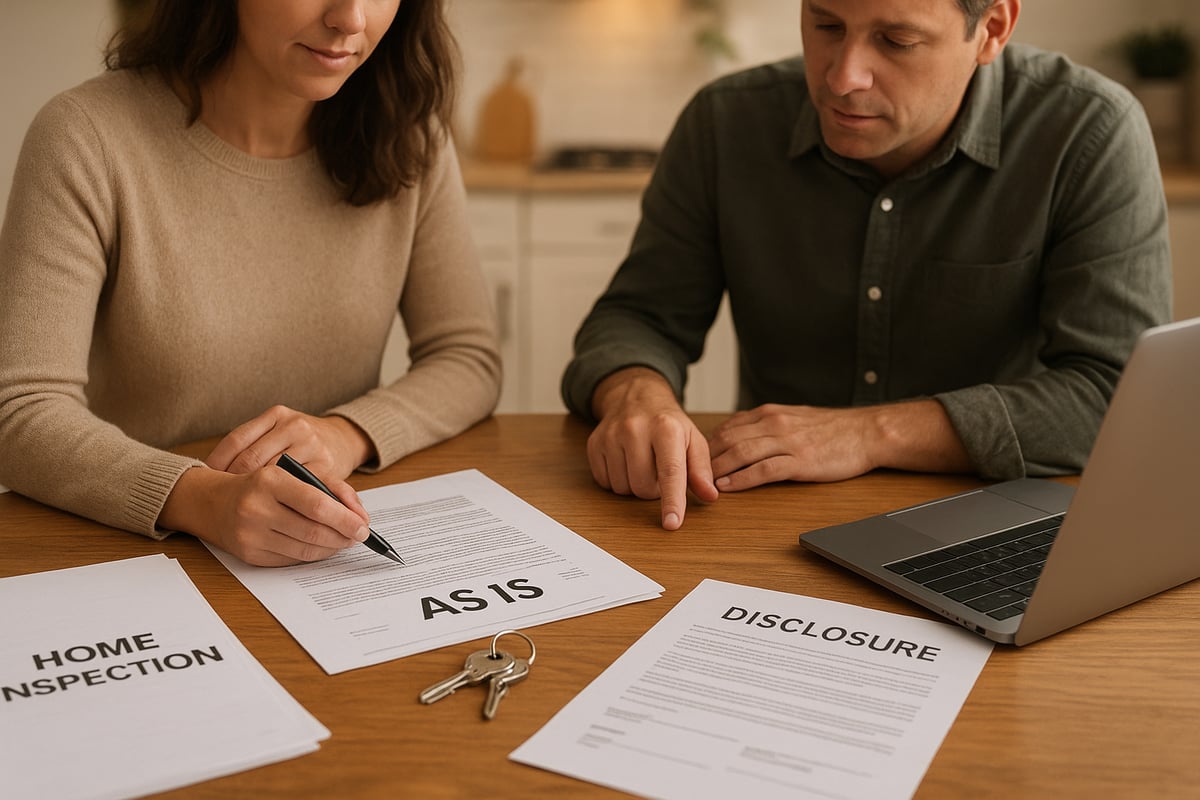
In most states, sellers must still disclose known material issues, even in as is in real estate transactions. You might see a seller’s disclosure form listing problems like roof leaks or foundation cracks. While sellers can include disclaimers, they cannot hide serious defects or commit fraud.
Not all states treat disclosures the same way. For example, Illinois and Texas require sellers to provide written disclosures. If a seller fails to share known problems, you may have legal grounds to pursue action later. Proper disclosures are your first line of defense in as is in real estate purchases.
Inspection Rights and Contingencies
Even when buying as is in real estate, you keep the right to inspect the property. Most contracts allow you to schedule a professional inspection, giving you a clear picture of what you’re buying. While sellers usually won’t agree to repairs, an inspection can uncover expensive surprises.
It’s smart to include an inspection contingency in your offer. This gives you the option to walk away if the inspection report reveals major issues beyond your comfort zone. In some states, contracts outline specific timelines and rights for as is in real estate buyers to review inspection findings.
State-Specific Laws and Differences
Every state has its own approach to as is in real estate sales. In Texas, for example, buyers have strong inspection rights and sellers must still disclose known defects. In Illinois, the law also requires disclosures, but the process for backing out after an inspection may differ.
Because these laws vary, it’s wise to consult a real estate attorney familiar with your state’s requirements. Local statutes can affect your ability to negotiate, back out, or recover damages if something goes wrong with your as is in real estate purchase.
Buyer Recourse and Remedies
If a seller deliberately hides defects or lies on disclosure forms, you may have legal remedies even after an as is in real estate closing. Buyers can sue for fraud or misrepresentation, but you’ll need solid documentation, such as inspection reports and written communications.
It’s important to know that the burden of proof falls on you, the buyer. For more on the risks and protections involved, check out this helpful resource on Legal review failures in “As Is” property clauses. This can help you understand where buyers sometimes fall short and how to avoid common legal pitfalls.
Financing and Insurance Considerations
Securing a loan or insurance for as is in real estate can be tricky, especially if the home needs major repairs. Lenders may deny funding until issues are fixed, and some homes won’t qualify for FHA or VA loans. Insurance companies might exclude pre-existing damage from coverage.
Here’s a quick summary:
| Challenge | Potential Issue |
|---|---|
| Financing | Lender may require repairs |
| FHA/VA Eligibility | May not qualify |
| Insurance | Excludes certain damages |
Being proactive with your lender and insurance agent helps you avoid last-minute surprises in as is in real estate transactions.
Title and Deed Issues
Before closing on as is in real estate, always verify the title is clear. Hidden liens, unpaid taxes, or unresolved HOA fees can become your responsibility after purchase. Title insurance is your safety net, protecting you from costly surprises.
Work with your agent and attorney to review all deed and title documents. This due diligence is crucial to a smooth, secure as is in real estate closing.
The Inspection Process: How to Evaluate an “As Is” Property
Buying as is in real estate means you need to be extra careful during the inspection phase. Inspections are your safety net, helping you uncover hidden problems before they become your responsibility. Even if the seller will not fix anything, a thorough inspection helps you fully understand what you are buying and prepare for future repairs.
Let us walk through each step so you can confidently evaluate any as is in real estate property.

Why Inspections Matter in “As Is” Sales
Inspections are essential for anyone considering as is in real estate. Since the seller will not make repairs, you need to know exactly what you are getting into. An inspection helps you estimate the true cost of ownership and avoid unpleasant surprises after closing.
Many buyers are tempted to skip inspections to save money or speed things up. This is risky. The National Association of Realtors found that 85% of buyers still inspect as is in real estate properties. Inspections reveal issues like foundation cracks, roof leaks, or outdated electrical systems, giving you leverage and peace of mind.
Choosing the Right Inspector
Selecting the right inspector is crucial for as is in real estate deals. Look for licensed professionals with experience in older, distressed, or investment properties. Some homes may need specialists for mold, asbestos, or pest issues, depending on their age and condition.
It is smart to bring a trusted contractor during the inspection, especially if you plan to renovate. They can provide on-the-spot repair estimates, helping you budget realistically. Ask for sample reports and check references before hiring anyone for your as is in real estate inspection.
What to Look for During Inspection
A careful inspection of as is in real estate properties should focus on the big-ticket items. Pay close attention to:
- Foundation and structure: Look for cracks, sloping floors, or sticking doors.
- Roof and attic: Check for leaks, missing shingles, or water stains.
- Electrical and plumbing: Outdated wiring or leaky pipes can be expensive to fix.
- Health hazards: Mold, lead paint, asbestos, or radon are common in older homes.
For more detailed guidance on structural concerns, see Problems With My Home Structure, which dives deeper into what to watch for.
A simple table can help you track issues:
| Area | Common Issues | Estimated Cost |
|---|---|---|
| Roof | Leaks, missing tiles | $5,000–$15,000 |
| Foundation | Cracks, settling | $10,000–$30,000+ |
| HVAC | Old, not working | $5,000–$12,000 |
| Plumbing | Leaks, old pipes | $2,000–$10,000 |
Interpreting Inspection Reports
Once your as is in real estate inspection is complete, review the report carefully. Focus on safety hazards, code violations, and repairs that could break your budget. Prioritize urgent fixes like electrical threats or severe structural damage.
Use the report to estimate your total investment beyond the purchase price. For example, a $15,000 roof replacement or $10,000 HVAC overhaul can quickly add up. This helps you decide if the property is a smart buy or an expensive project.
Deciding When to Walk Away
Not every as is in real estate deal is worth pursuing. If the inspection uncovers severe structural damage, major health hazards, or issues that make the home uninsurable, it is wise to walk away. No deal is worth risking your safety or financial future.
Always remember: your inspection contingency gives you the right to exit if the property needs more work than you can handle. Trust your gut and do not be afraid to move on if the risks outweigh the rewards.
Negotiating Based on Inspection Results
While sellers in as is in real estate transactions rarely agree to repairs, inspection results can still be powerful negotiation tools. Use your findings to request a price reduction or a closing credit. Some sellers will lower the price to keep the deal alive, especially if you present clear evidence from your inspection report.
For example, if the water heater is failing, you might negotiate $5,000 off the purchase price. Be polite but firm, and always back up your requests with professional estimates.
Inspection Contingency Clauses
Never skip the inspection contingency in as is in real estate contracts. This clause lets you walk away without penalty if the inspection reveals costly repairs or deal-breaking issues.
Clearly state the timeline for inspections and define what would allow you to cancel the deal. For instance, “Buyer may terminate if inspection reveals repairs exceeding $10,000.” This protects your deposit and ensures you are not stuck with a property full of problems.
Common Risks, Pitfalls, and Red Flags in “As Is” Purchases
Buying as is in real estate can open the door to great opportunities, but it’s also filled with hidden risks that can catch even experienced buyers off guard. Let’s break down the most common pitfalls, so you can spot red flags before they become costly headaches.
Hidden and Deferred Maintenance Issues
One of the biggest risks of as is in real estate deals is years of neglected repairs. These properties often have problems that aren’t immediately obvious.
- Roof leaks or missing shingles
- Outdated wiring or electrical panels
- Plumbing failures hidden behind walls
For example, a home might look fine at first glance but have water stains that signal hidden mold. Always assume there’s more to uncover and be prepared for surprises.
Legal and Title Complications
Legal and title issues are a serious concern in as is in real estate transactions. Properties may come with unpaid taxes, outstanding liens, or even boundary disputes that are costly to resolve.
Foreclosed homes, in particular, might have unresolved HOA fees or back taxes. Never skip a thorough title search and always purchase title insurance. These steps help protect you from inheriting someone else’s legal headaches.
Unpermitted Work and Code Violations
DIY renovations are common in as is in real estate sales, but unpermitted work can create big problems. You might find:
- Converted garages without permits
- Room additions that don’t meet code
- Electrical or plumbing upgrades done by amateurs
Fixing these issues after purchase can be expensive. Some cities require you to bring everything up to code, which means added costs and delays before you can move in or rent out the property.
Financing and Insurance Challenges
Securing a loan for as is in real estate properties can be tricky. Many lenders hesitate to finance homes with significant defects or safety hazards. Some may require costly repairs before approving your mortgage.
Insurance can be another challenge. Carriers often exclude coverage for pre-existing damage, leaving you unprotected if something goes wrong. According to industry data, 30% of buyers face delays because of loan denials tied to repair issues.
Overestimating “Fixer Upper” Potential
It’s easy to fall in love with the idea of transforming a bargain property, but renovation costs for as is in real estate can spiral out of control. Foundation repairs or structural fixes often cost far more than expected.
First-time buyers are especially vulnerable to this pitfall. If you’re new to the process, our First-Time Homebuyer Guide offers essential tips to help you budget and plan realistically.
Limited Recourse After Closing
Once you close on an as is in real estate purchase, your legal options are very limited. Sellers are generally not responsible for defects discovered after the sale, unless you can prove fraud or intentional concealment.
This makes it crucial to document everything and rely on thorough inspections and disclosures before signing. Protect yourself by knowing exactly what you’re buying.
Neighborhood and Market Risks
As is in real estate homes are often located in less desirable or declining neighborhoods. This can impact future resale value and your quality of life. Research comparable sales, talk to neighbors, and check local trends before making an offer.
Sometimes, a lower price isn’t worth the risk if the area is showing signs of long-term decline. Due diligence helps ensure your investment grows in value.
How to Protect Yourself: Steps for Smart “As Is” Buying
Buying as is in real estate can be rewarding, but it takes careful planning to avoid costly surprises. Whether you’re a first-time buyer or a seasoned investor, following these steps will help you make smart, confident decisions and safeguard your investment.
Step 1: Research the Property History
Start by gathering as much information as possible about the property’s past. Look up public records for liens, code violations, permits, and previous repairs. Talk to neighbors to uncover any ongoing issues or history of problems. This detective work can reveal hidden risks before you commit to an as is in real estate purchase.
Step 2: Consult Real Estate Professionals
Work with a real estate agent who has experience in as is in real estate transactions. A knowledgeable agent can spot red flags, guide negotiations, and recommend trusted inspectors. For legal peace of mind, have a real estate attorney review all contracts and disclosures. If you’re considering investment options, take a look at Investment Properties in Kansas for expert guidance tailored to local markets.
Step 3: Secure Financing and Insurance Early
Many lenders have strict requirements for as is in real estate deals. Pre-qualify with lenders who are familiar with these purchases and ask about loan conditions for homes needing repairs. Shop around for insurance that covers potential risks, especially if the home has known issues. Early preparation helps prevent last-minute deal breakers.
Step 4: Budget for Repairs and Unexpected Costs
Estimate the total cost of repairs based on inspection findings. Get written quotes from contractors and always set aside a contingency fund—experts recommend 10 to 20 percent of the purchase price. Here’s a quick reference:
| Home Price | Recommended Repair Fund (10–20%) |
|---|---|
| $150,000 | $15,000–$30,000 |
| $200,000 | $20,000–$40,000 |
| $250,000 | $25,000–$50,000 |
Budgeting realistically for as is in real estate ensures you’re ready for surprises.
Step 5: Negotiate Strategically
Don’t be afraid to negotiate, even if the seller won’t make repairs. Use inspection reports to request price reductions or closing credits. Remember, in as is in real estate, being prepared to walk away is sometimes your best leverage. Focus on major issues that impact safety or value.
Step 6: Final Walkthrough and Due Diligence
Before closing, do a thorough final walkthrough. Check that the home’s condition matches what was agreed upon and that no new problems have emerged. Verify that all terms of your as is in real estate contract are met. This is your last chance to catch issues before the deal is final.
Step 7: Plan for Post-Purchase Repairs
After you close, prioritize repairs that affect safety and habitability, such as electrical hazards or leaks. Schedule other improvements as your budget allows. Staying organized with your repair plan will help you protect your investment and enjoy your new home sooner.
By following these steps, you’ll be well-prepared to navigate the unique challenges of as is in real estate and make your next purchase a smart, secure move.
Negotiating and Closing an “As Is” Real Estate Deal
Navigating the negotiation and closing process for as is in real estate can feel daunting, but a clear plan helps you stay confident. Let’s walk through each step, so you can move forward with peace of mind and a solid strategy.
Making a Competitive Offer
When buying as is in real estate, crafting a competitive offer is all about balance. You want to make your bid attractive, but also ensure it reflects the repair costs you might face. Research the local market, compare recent sales, and factor in what you learned during your walk-through.
Don’t be afraid to offer below asking if major repairs are needed. Investors often target these homes, so move quickly if you find a promising property. Remember, a strong offer can still include buyer protections.
Crafting Effective Contingencies
Even in as is in real estate transactions, you can and should include contingencies. Inspection, financing, and title contingencies protect your interests if unexpected issues arise. For example, an inspection contingency gives you the right to back out if the property needs more work than anticipated.
If you’re buying in a state like California, you’ll want to understand how “As Is” clauses work in local contracts, including your right to inspect and negotiate. Always get these terms in writing.
Understanding Seller Flexibility
While sellers of as is properties may not want to make repairs, some will offer concessions to keep the deal moving. You might negotiate for a price reduction, closing cost credits, or extra time for due diligence.
If you present clear evidence from inspections or contractor estimates, sellers may be willing to adjust the terms. Open communication makes a difference, especially in competitive markets.
Closing Process and Final Steps
The closing process for as is in real estate involves careful review of every document. Work closely with your agent, lender, and attorney to ensure all disclosures, contingencies, and agreements are met.
Double-check the title and insurance coverage before signing. In some states, like South Carolina, understanding the implications of “As Is” clauses helps you avoid surprises at closing. A final walk-through ensures the property’s condition matches your expectations.
Post-Closing Considerations
Once you’ve closed, be ready to address repairs and maintenance right away. Keep a checklist handy for immediate fixes, like leaks or safety hazards. Document everything, from contractor receipts to before-and-after photos, as this can help if issues arise later.
| Step | Why It Matters |
|---|---|
| Immediate repairs | Ensures safety |
| Maintenance plan | Prevents new problems |
| Documentation | Supports future claims |
Staying organized sets you up for a smooth transition.
Real-World Example
Imagine you’re buying as is in real estate and discover foundation issues during inspection. You negotiate a $10,000 price reduction with the seller, reflecting the true cost of repairs. After closing, you use those funds to address the problem, turning a risky purchase into a smart investment.
Success comes from preparation, open communication, and knowing when to push for the best possible outcome.
Regional Considerations: “As Is” Real Estate in 2026
Navigating as is in real estate across regions in 2026 requires more than just a keen eye for a bargain. Market conditions, local laws, and unique challenges can all shape your experience. Let’s break down what buyers need to know to make confident choices, no matter where you’re searching.
Market Trends and Inventory
In 2026, as is in real estate listings are on the rise, especially in regions with aging housing stock and shifting post-pandemic markets. Some areas have seen a 15 percent increase in these listings since 2024. This uptick creates more opportunities for buyers, but also means more competition from investors looking for value-add properties.
The growing supply is especially pronounced in Midwest and Sunbelt states, where older homes and economic shifts have led to more sellers choosing the as is in real estate route. For buyers, it’s essential to keep an eye on local inventory trends, as these can influence both pricing and negotiation power.
State-Level Legal Differences
Disclosure laws and buyer protections can vary dramatically from state to state. For example, Kansas requires sellers to disclose known defects, but the burden of inspection and due diligence still falls on the buyer. Illinois and Texas have similar statutes, but with nuanced differences in inspection rights and contract language.
In New York, sellers are required to comply with the Property condition disclosures in New York, even in as is in real estate transactions. Buyers should always review state-specific requirements to ensure they are fully protected and understand what disclosures are mandatory.
Impact on First-Time Buyers and Investors
As is in real estate opportunities attract a wide range of buyers. Investors often seek these properties for flips or rentals, banking on sweat equity and market appreciation. First-time buyers, drawn by lower prices, must weigh the potential savings against the risk of costly repairs and renovations.
It’s easy to get swept up in the excitement, but remember, the as is in real estate market can be a double-edged sword. Without proper research and preparation, unexpected expenses can quickly erase any upfront savings.
Local Lending and Insurance Practices
Securing financing for as is in real estate purchases can be more complicated than for traditional homes. Many lenders have strict requirements for property condition, and some may refuse loans if the home needs significant repairs. Specialized loan products may be available in certain regions, but they often come with higher rates or additional conditions.
Insurance providers may also charge more for homes with known issues, or exclude certain types of damage from coverage. It’s smart to shop around early and understand what is and isn’t covered before you commit to an as is in real estate deal.
Neighborhood and Community Factors
Location is always key in real estate, and as is in real estate is no exception. Homes in desirable neighborhoods may still command strong prices, even if they need work. Meanwhile, properties in declining or less sought-after areas might offer bigger discounts but come with more risk for future resale.
Research local schools, amenities, and recent sales to get a full picture. Community trends can have a significant impact on the long-term value of your as is in real estate investment.
Working with Local Experts
Partnering with experienced local agents and contractors can make a world of difference. Local professionals know the ins and outs of as is in real estate in your area, from negotiation strategies to reliable inspectors. Their insights can help you spot red flags, estimate repair costs, and avoid costly mistakes.
Always ask for referrals and check credentials. The right team can help you turn an as is in real estate purchase into a successful investment or a happy home.
Working with a Local Realtor in South Central Kansas
Diana Burress of B Realty, LLC specializes in as is in real estate and traditional transactions throughout Wichita, Augusta, Derby, Andover, and nearby communities. Her deep expertise ensures buyers receive personalized guidance, from contract review to connecting with trusted inspectors and contractors.

Whether you’re interested in land, residential, or investment properties, Diana helps you navigate the unique risks and opportunities of as is in real estate deals in South Central Kansas. Her reputation for responsive service and clear communication empowers clients to make confident, well-informed decisions.
After learning the ins and outs of buying “As Is” in today’s real estate market, it’s only natural to feel both excited and a little cautious. Remember, you don’t have to tackle this journey alone—having a supportive, experienced Realtor by your side can make all the difference. If you’re ready to start exploring homes that fit your goals and budget, let’s take the next step together. I’ll help you navigate listings, inspections, and negotiations with your best interests at heart. Ready to find your next opportunity? Start Your Home Search