
Imagine walking into your home and finding that every corner adapts to your changing life, whether you need privacy, space for work, or a cozy spot for family. As we step into 2026, creating a home within a home offers us the flexibility to meet these evolving needs with comfort and style.
In this guide, you will discover how the home within a home concept can transform your living experience. We will journey through its origins, explore smart design tips, walk through practical steps, cover legal essentials, and highlight the latest innovations—ensuring you have the tools to create a space that truly fits your lifestyle.
The rise of multi-generational living and remote work is changing what home means. Curious about maximizing your space, privacy, and value? Ready to see inspiring examples and proven strategies? Let’s get started on designing a home within a home that’s uniquely yours.
Understanding the Concept of a Home Within a Home
The idea of a home within a home is more than just a trend—it’s a thoughtful response to the way our lives are changing. This approach blends tradition with innovation, offering solutions that fit today’s families and lifestyles. Let’s dive into how this concept has evolved, what motivates people to create these spaces, the different forms it can take, and real-world stories that bring it all to life.
The Evolution of Living Spaces
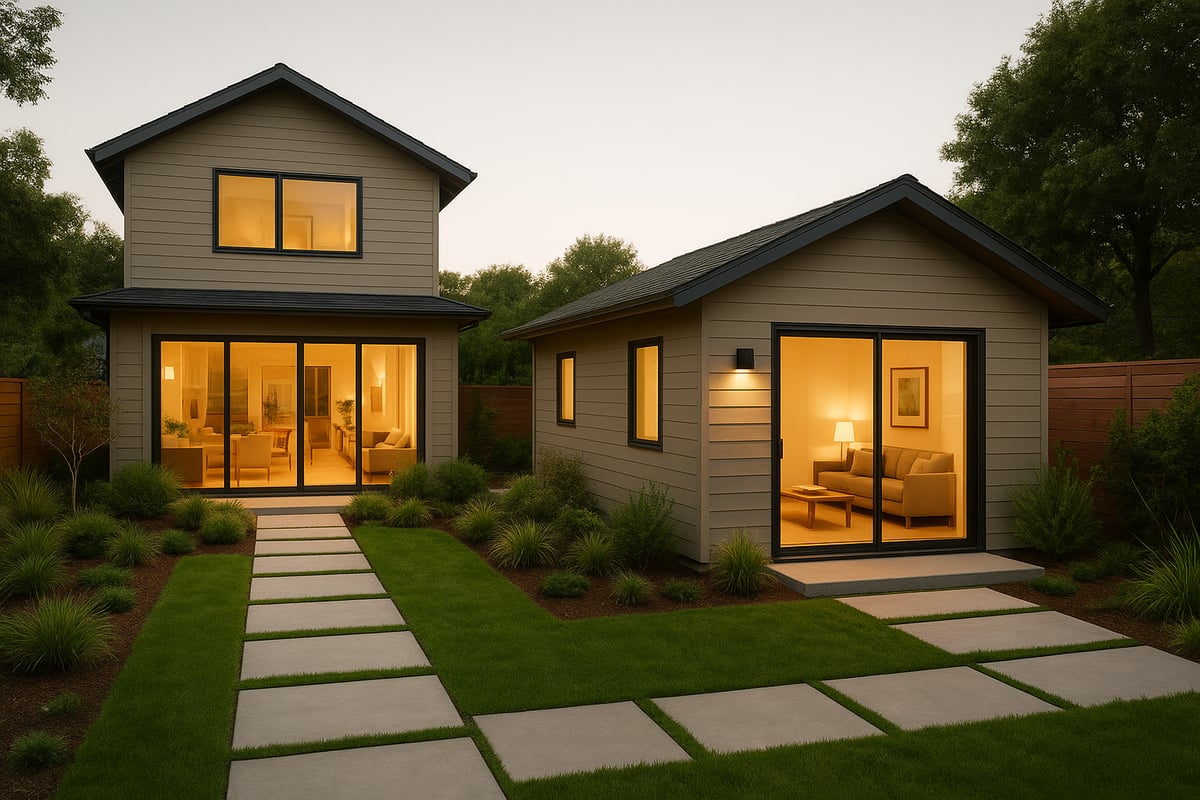
Throughout history, the home within a home concept has taken many forms. In the past, multi-generational households were common, with grandparents, parents, and children sharing a single roof. As cities grew and lifestyles shifted, many families moved toward more independent living.
Cultural changes, urbanization, and global events have all influenced how we shape our living spaces. The COVID-19 pandemic, for example, highlighted the need for flexible, private areas for work and family. Artists like Do Ho Suh even explored these themes through installations that reflect on identity and space. As populations age and adult children return home, the home within a home is becoming more relevant than ever.
Key Benefits and Motivations
Choosing a home within a home brings a range of benefits. Some of the top motivations include:
- Enhanced privacy for both residents and guests
- Flexible spaces that can serve as offices, rental units, or in-law suites
- The potential for increased property value and appeal to future buyers
- Improved quality of life through intergenerational support and connection
- Opportunities for energy efficiency and sustainable living
For many, these advantages make the home within a home a smart and lasting investment. Whether you want more independence, extra income, or a supportive family environment, this approach can truly transform your living experience.
Types of Home Within a Home Arrangements
There are several ways to create a home within a home, each offering unique features and benefits. Here are some popular arrangements:
| Arrangement Type | Description |
|---|---|
| Attached ADUs | Units connected to the main house |
| Detached ADUs | Separate structures like backyard cottages |
| Basement/Attic Conversions | Transforming existing spaces |
| Internal Partitions/Modular Dividers | Flexible, reconfigurable walls |
| Tiny Homes/Multi-use Zones | Standalone or integrated areas |
Each of these options supports a home within a home in its own way. The best choice depends on your property, budget, and family needs.
Real-World Inspirations and Data
Art has played a powerful role in shaping how we view the home within a home. For example, Do Ho Suh’s ‘Home Within Home’ Installation uses layered spaces as a metaphor for identity and belonging.
Recent data shows that ADU permit applications surged by 30% in major US cities between 2023 and 2025. Families are using these spaces for everything from elderly care to generating rental income. Architects and designers note a growing focus on adaptable layouts and sustainable materials, making the home within a home a leading trend for the future.
Planning Your Home Within a Home: Step-by-Step
Planning a home within a home is a journey that begins with understanding your household’s unique needs and dreams. Approaching this process step by step ensures that every detail is thoughtfully considered, from space analysis to legalities. Let’s walk through each essential phase together, so your home within a home project is set up for success.
Assessing Needs and Setting Goals
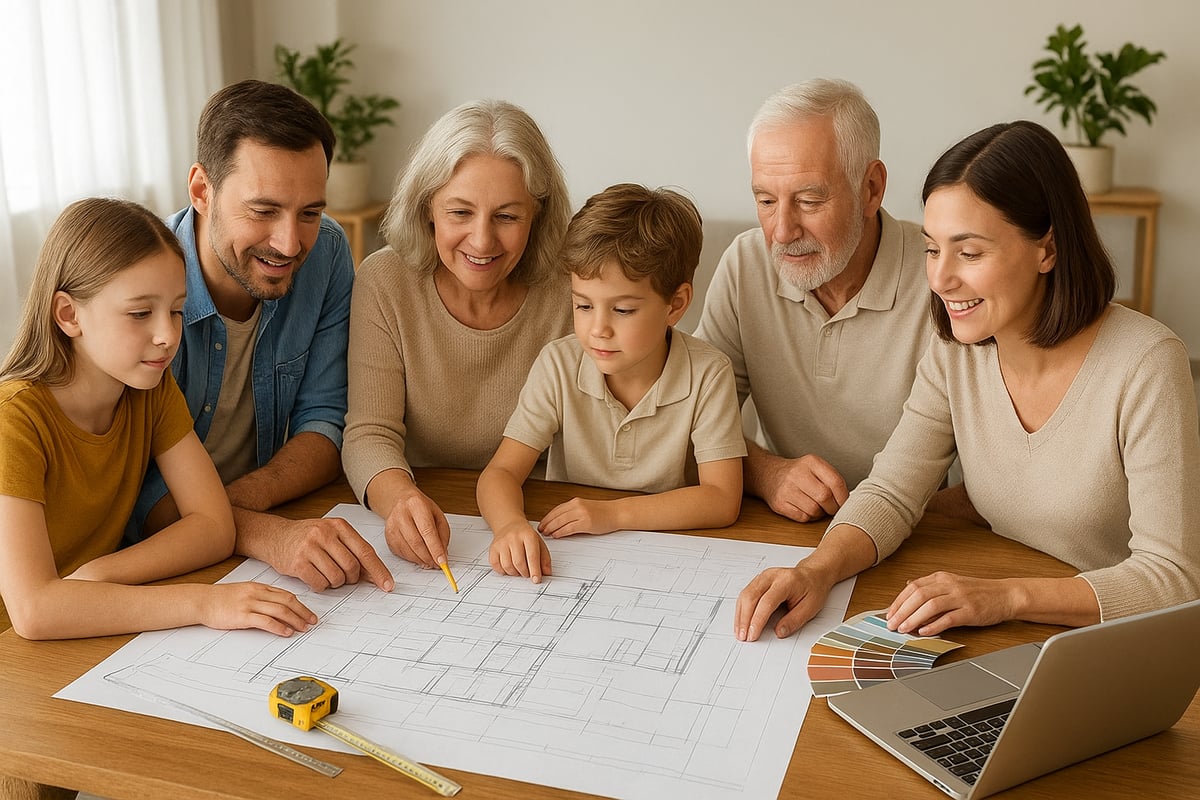
Start by reflecting on why you want a home within a home. Is it for family, work, rental income, or caregiving? Gather everyone in your household to discuss their priorities and future plans. List your must-haves and nice-to-haves. Think about accessibility for all ages and possible future changes. Setting clear short- and long-term goals will guide every decision you make. By involving everyone, you create shared ownership and excitement for your home within a home vision. This initial clarity is the foundation for a flexible, happy living space.
Space Analysis and Feasibility
Once you’ve set your goals, assess your current home’s layout. Measure all available areas, including unused rooms, basements, or attics. Identify structural limitations and possibilities for expansion. Consider natural light, privacy, and how people will move through the space. Research local zoning rules to determine what is allowed. Take note of utility lines and infrastructure needs. A thorough space analysis ensures your home within a home design is realistic and achievable, setting the stage for a smooth transformation. It’s all about making the most of what you already have.
Budgeting and Financial Planning
Budgeting is key for a successful home within a home project. Estimate costs for construction, materials, and permits. Explore financing options like home equity loans or grants. Factor in ongoing expenses such as maintenance and utilities. Calculate potential rental income or increased property value. For ideas on optimizing your investment, check out Home Renovation in Augusta. Consider phased projects or DIY work to save money. A clear financial plan ensures you can enjoy your home within a home without unexpected stress.
Legal and Regulatory Considerations
Navigating the legal landscape is essential when creating a home within a home. Review local zoning laws and building codes to confirm what’s permitted. Gather the necessary permits and prepare required documentation. If you’re part of a homeowners’ association, check their guidelines for home modifications. Prioritize safety and accessibility to meet all regulations. Don’t forget to update your home’s insurance and review tax implications. Taking these steps protects your investment and ensures that your home within a home is both safe and compliant.
Design Collaboration and Professional Support
Choosing the right team brings your home within a home vision to life. Look for architects, designers, and contractors with relevant experience. Use design software or virtual planning tools to visualize possibilities. Communication is key, so set clear expectations and put agreements in writing. Ask for recommendations and review portfolios before making decisions. Stay in touch with city planners and inspectors throughout the process. With the right support, your home within a home will reflect your family’s style and needs, making the journey enjoyable and rewarding.
Timeline and Project Management
A realistic timeline keeps your home within a home project on track. Break the process into milestones—planning, permits, construction, and final inspections. Plan for temporary disruptions and communicate changes with everyone involved. Use project management tools or a shared calendar to track progress. Be flexible and ready to adjust when surprises arise. Celebrate each completed step and keep the end goal in sight. A well-managed timeline ensures your home within a home is ready for comfortable, adaptable living when you need it most.
Design Principles for a Seamless Home Within a Home
Designing a home within a home is all about creating harmony between privacy, function, and style. Let’s explore the essential principles that help turn your vision into a welcoming, adaptable retreat for everyone under your roof.
Privacy and Soundproofing Solutions
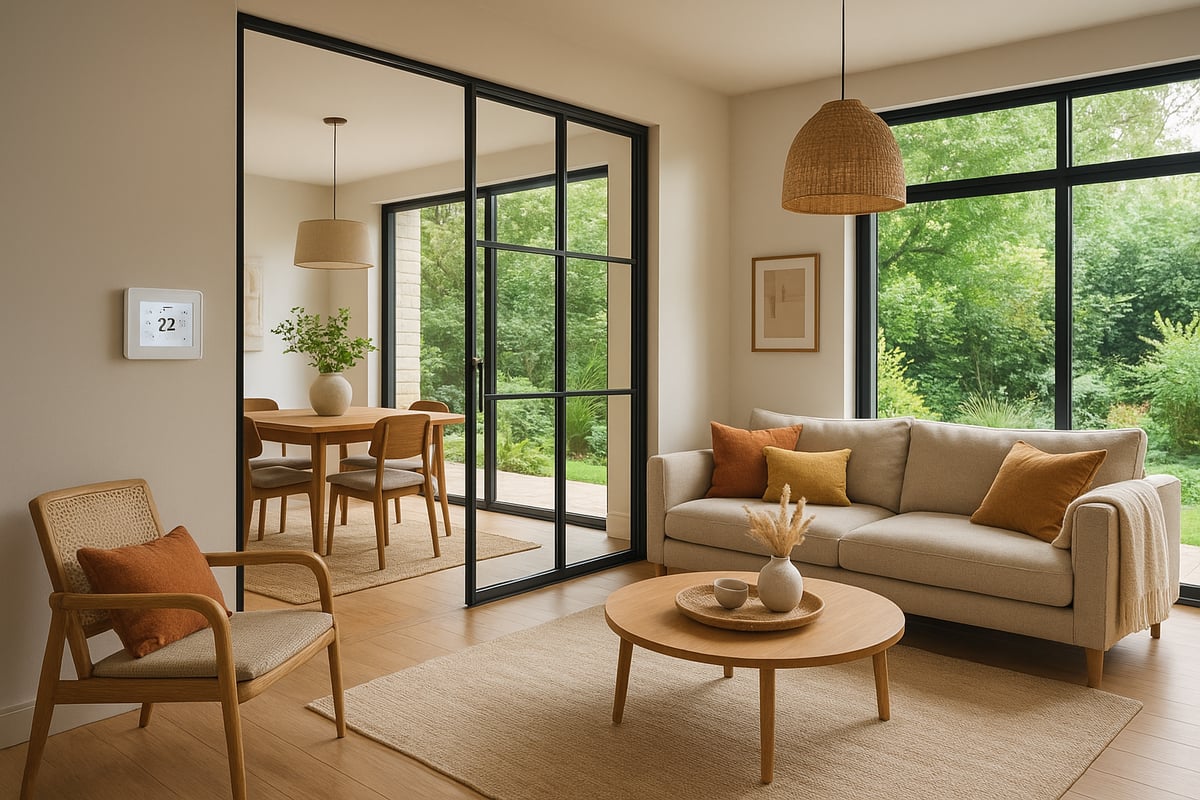
Privacy is a cornerstone of any successful home within a home. Start by placing entrances and partitions in spots that naturally separate living zones. Use high-performance insulation and sound barriers in shared walls to reduce noise transfer. Smart door and window choices, like solid-core doors and double-glazed windows, make a big difference.
Consider separating outdoor spaces with fences or greenery. Sliding walls or acoustic panels offer flexible privacy, letting you adapt as family needs change. A home within a home should allow each occupant to retreat and recharge, while still feeling connected.
Functional Zoning and Layout Optimization
The heart of a home within a home is its layout. Decide early if you prefer open or closed floor plans. Open designs are flexible, while closed ones offer more privacy. Assign clear zones for living, sleeping, and working, and use built-in shelves or movable dividers to define spaces.
Multi-purpose furniture, like Murphy beds or fold-out desks, keeps rooms adaptable. Good traffic flow ensures everyone moves easily from one zone to another. For more tips, check out Maximizing Your Living Space. The right zoning turns a home within a home into a truly functional space for all.
Lighting, Ventilation, and Comfort
A bright, airy home within a home feels more inviting and comfortable. Maximize natural light by placing windows strategically and choosing lighter wall colors. Use advanced HVAC and air filtration systems to keep every zone healthy and fresh.
Smart lighting controls let you adjust mood and save energy. Prioritize insulation and shading to maintain thermal comfort year-round. Studies show homes with optimized daylighting have 15 percent higher satisfaction, making comfort a key part of your home within a home experience.
Aesthetic Integration and Personalization
A home within a home should feel unified yet uniquely yours. Blend old and new architectural styles to maintain a cohesive look. Use custom finishes, colors, and materials that reflect your family’s personality.
Incorporate artwork, family heirlooms, or cultural motifs to make each area special. Do Ho Suh’s blend of Korean and Western styles is a great source of inspiration. When every corner feels personal, your home within a home will truly feel like a sanctuary.
Sustainability and Energy Efficiency
Building a home within a home offers the perfect chance to go green. Choose eco-friendly materials and low-VOC finishes for healthier air. Solar panels, green roofs, and rainwater harvesting systems help lower your environmental impact.
Opt for low-flow plumbing fixtures and energy-efficient appliances. Try to minimize waste during construction, and consider aiming for LEED certification. A sustainable home within a home benefits your family and the planet.
Technology and Smart Home Features
Modern technology can make your home within a home smarter and safer. Integrate home automation systems for lighting, security, and climate control. Use security cameras and smart locks to protect separate units or entries.
High-speed internet and robust networking keep everyone connected. Voice assistants and IoT devices add convenience, especially for aging or mobility-impaired family members. With the right tech, your home within a home adapts to the needs of today and tomorrow.
Building or Converting: Practical Steps and Considerations
Transforming your living environment into a home within a home is both exciting and rewarding. Whether you are expanding for family, rental, or flexibility, the process involves thoughtful planning and practical steps. Let’s break down what you need to know, so you feel confident every step of the way.
Choosing Between New Construction and Renovation
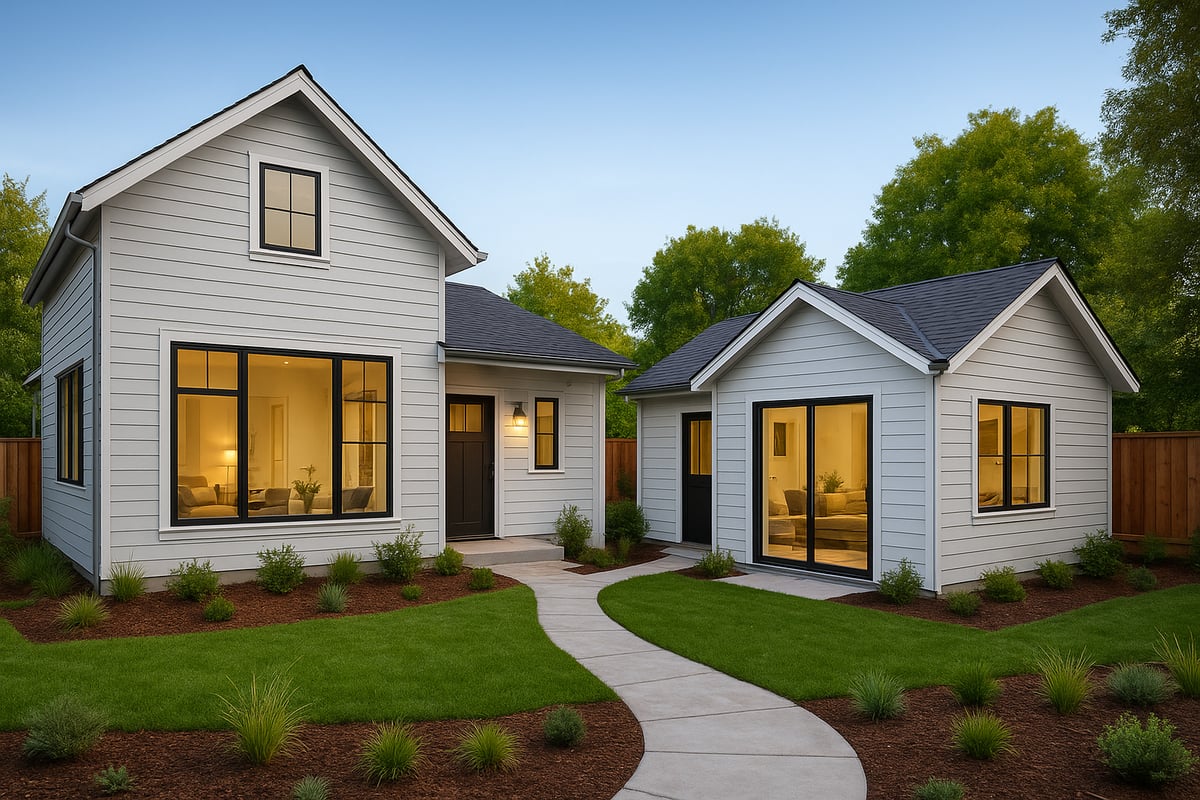
Deciding whether to build new or renovate an existing space is the first major step in your home within a home journey. New construction allows for total customization, but it often comes with higher costs and longer timelines. Renovating, on the other hand, can be more budget-friendly and less disruptive, especially if you are converting a garage, basement, or attic into a separate living area.
Consider your property type and neighborhood regulations. For example, some areas may favor backyard cottages or tiny homes, while others have strict rules about additions. Also, think about how each choice affects property taxes and resale value. Both options can support a home within a home setup, so weigh your priorities and resources carefully.
Structural and Utility Upgrades
Once you have a plan, assess the structural and utility needs of your home within a home. Reinforcing foundations and load-bearing walls is crucial for safety, especially if you are adding a second story or expanding outward. Extending plumbing and electrical systems ensures each unit has independent access to water, power, and internet.
HVAC zoning allows for personalized climate control, making everyone comfortable year-round. Remember to plan for water and waste management, especially if you are adding kitchens or bathrooms. Always check building codes to ensure your upgrades meet safety standards for a home within a home.
Accessibility and Universal Design
Creating a truly inclusive home within a home means prioritizing accessibility. Features like step-free entries, wider doorways, and accessible bathrooms help everyone feel welcome, regardless of age or mobility. Small touches, such as lever handles and non-slip surfaces, make a big difference for daily living.
If you are supporting elderly family members, you may find inspiration and practical advice in resources like Renovate or Relocate: Helping Elderly Family. Universal design features not only increase comfort but can also boost your home’s resale value. Future-proofing your home within a home ensures it adapts as needs change.
Safety, Security, and Privacy Measures
Safety and privacy are top priorities in a home within a home. Install fire alarms, secure locks, and clear emergency exits for each unit. Consider surveillance and monitoring systems for peace of mind, especially in shared spaces. Soundproofing measures, like acoustic panels or thick insulation, help maintain privacy and prevent disruptions between zones.
Plan for visual privacy as well, using smart partitions or landscaping to create distinct outdoor areas. With the right measures, your home within a home will feel safe, secure, and harmonious for everyone.
Furnishing and Decorating for Dual Living
Furnishing a home within a home is all about flexibility. Use space-saving furniture such as Murphy beds and fold-out desks to maximize every inch. Flexible storage solutions, like built-in shelves or modular closets, help keep shared and private areas organized.
Personalize each zone with unique décor, colors, and artwork so every resident feels at home. Choose durable, easy-care materials that stand up to daily life, especially in high-traffic areas. Dual living thrives when everyone has a space that reflects their style and needs, making your home within a home truly special.
Living in a Home Within a Home: Daily Life, Challenges, and Solutions
Adopting a home within a home lifestyle brings both daily joys and unique challenges. Creating harmony, comfort, and flexibility means staying proactive about routines, communication, and adapting to change. Let’s explore how families and occupants can make the most of shared and private living, handle finances, adjust to evolving needs, and foster a supportive community.
Navigating Shared and Private Spaces
Living in a home within a home means balancing togetherness and independence. Setting clear house rules is key, especially when it comes to shared kitchens, laundry, or outdoor areas. Try using a shared calendar or rotating chore schedules to keep things fair and organized.
- Create daily or weekly routines for shared spaces.
- Establish quiet hours and privacy signals.
- Use written agreements or checklists for chores.
Open communication is essential. Regular family meetings or group chats help everyone stay on the same page. When conflicts arise, address them early with empathy and a focus on solutions. A home within a home thrives when everyone feels heard and respected.
Financial and Legal Arrangements Among Occupants
Managing money and legal matters in a home within a home setup can get complex, especially if there are both family and non-family tenants. Rental agreements are a smart way to clarify expectations, whether you’re renting to relatives or others. According to a recent survey, 40% of ADU owners rent to family, while 35% rent to non-family members.
| Arrangement | Pros | Cons |
|---|---|---|
| Family Rental | Flexible terms | Potential for disputes |
| Non-family Rental | Income potential | Legal requirements |
Sharing utility and maintenance costs upfront keeps things fair. All agreements, whether for rent or shared bills, should be documented and, if needed, notarized. For more on how these trends are shaping cities, see Seattle’s ADU Permit Surge, which highlights the growing popularity of home within a home solutions.
Maintaining Flexibility for Changing Needs
A home within a home is most rewarding when it adapts as your needs change. Maybe a home office becomes a guest suite, or a playroom transforms into a quiet retreat. Temporary partitions, modular furniture, and multi-use rooms make it easy to repurpose spaces.
- Use movable dividers for quick layout changes.
- Choose furniture that serves multiple purposes.
- Plan electrical and internet access for flexible room use.
Think ahead about future resale or converting spaces back for new uses. Many homeowners in places like San Antonio are embracing casitas and flexible layouts, as seen in the San Antonio’s Casita Construction Increase trend. This keeps your home within a home ready for whatever life brings next.
Community, Lifestyle, and Well-being
The greatest strength of a home within a home lies in the sense of community and support it fosters. Intergenerational households can share meals, help with childcare, and look out for one another, all while maintaining independence and privacy.
- Shared spaces encourage bonding and companionship.
- Private zones protect personal time and mental health.
- Safety features and routines add peace of mind.
Experts agree that these arrangements can boost emotional well-being and reduce feelings of isolation. By nurturing both connection and autonomy, a home within a home becomes a true sanctuary for all who live there.
Future Trends and Innovations in Home Within a Home Design
Looking ahead to 2026, the future of the home within a home concept is brighter and more exciting than ever. As our lifestyles evolve, so do the design possibilities and technologies that support flexible, multi-generational living. Let’s explore the trends, innovations, and cultural shifts that are shaping the next generation of these unique living spaces.
Emerging Architectural Trends for 2026
Architects are embracing modular and prefabricated solutions to make a home within a home more accessible and efficient. Backyard cottages, urban infill projects, and adaptive reuse of existing structures are gaining traction, letting families maximize their property’s potential. Data shows modular construction can reduce build time by 25 to 40 percent, making upgrades faster and less disruptive.
Sustainability and value go hand in hand, with homeowners opting for improvements that pay off in both comfort and resale. For inspiration on which upgrades add the most value to a home within a home, check out Real Estate Home Improvement Updates. These emerging trends help families create flexible, future-ready living spaces.
Smart Technology Integration
Technology is a driving force behind the evolution of the home within a home. In 2026, AI-driven home management systems will let us monitor energy use, automate maintenance, and boost security with ease. Voice-activated controls and smart appliances create more accessible environments for all ages.
Smart home features also include high-speed networking, remote lighting and climate control, and connected security for separate units. By integrating these innovations, a home within a home becomes more comfortable, efficient, and adaptable to changing needs. These tech advances ensure every household member enjoys convenience and peace of mind.
Sustainability and Resilience
Sustainability is at the heart of the home within a home movement. More families are investing in net-zero energy homes, passive design principles, and materials that adapt to changing climates. Features like green roofs, solar panels, and rainwater harvesting make spaces eco-friendly and resilient.
On-site gardens and greenhouses support food production, while water recycling systems reduce waste. Community microgrids are emerging to share renewable energy and boost neighborhood resilience. By prioritizing these elements, a home within a home not only benefits its residents but also supports the environment for generations to come.
Cultural and Social Shifts Impacting Design
Cultural changes are fueling the popularity of the home within a home. Multi-generational and communal living are in higher demand as families look for ways to stay connected while maintaining independence. Global migration and blended cultures inspire fresh architectural ideas, as seen in homes influenced by artists like Do Ho Suh.
Regulatory shifts also play a role. For example, some cities are rethinking policies around backyard apartments and ADUs, as highlighted by San Diego’s ADU Policy Rollback. As remote work and flexible lifestyles grow, the home within a home will continue to adapt, offering creative solutions for privacy, support, and community.
We’ve covered a lot about designing a home within a home—from understanding your family’s unique needs to planning every detail for comfort and connection. If reading this has inspired you to start turning those dreams into reality, you don’t have to navigate the process alone. I’m here to help guide you every step of the way, whether you’re searching for the perfect property or want to chat about your options. Let’s work together to find a space that truly fits your vision for 2026 and beyond. Ready to take the next step? Speak with Experienced Realtor