
The remote revolution is transforming how we work, and the real estate work from home trend is leading the charge. In just a few years, technology and shifting market demands have opened the door to flexible, rewarding careers in real estate that can be done entirely from home.
From virtual tours to cloud-based transactions, today's real estate professionals are no longer tied to a traditional office. This article will guide you through the top 7 real estate work from home opportunities set to thrive in 2026, helping you discover new ways to achieve flexibility, boost your income, and create a better work-life balance.
Get ready to explore the most promising paths in the evolving real estate landscape and find the remote role that fits your goals.
The Rise of Remote Work in Real Estate
The world of real estate work from home is transforming faster than ever. Not long ago, most real estate careers meant commutes, office hours, and in-person meetings. Today, technology and shifting expectations are rewriting the rules. More professionals are seeking flexibility, and companies are responding with creative, fully remote positions.
This shift gained momentum after COVID-19, when remote work became the norm across many industries. In real estate, digital platforms, cloud-based document systems, and virtual tours have opened new doors for those wanting to work from anywhere. According to FlexJobs, remote job postings in real estate jumped by 22% in 2023, reflecting a growing demand for flexible careers.
Evolution of Remote Real Estate Careers
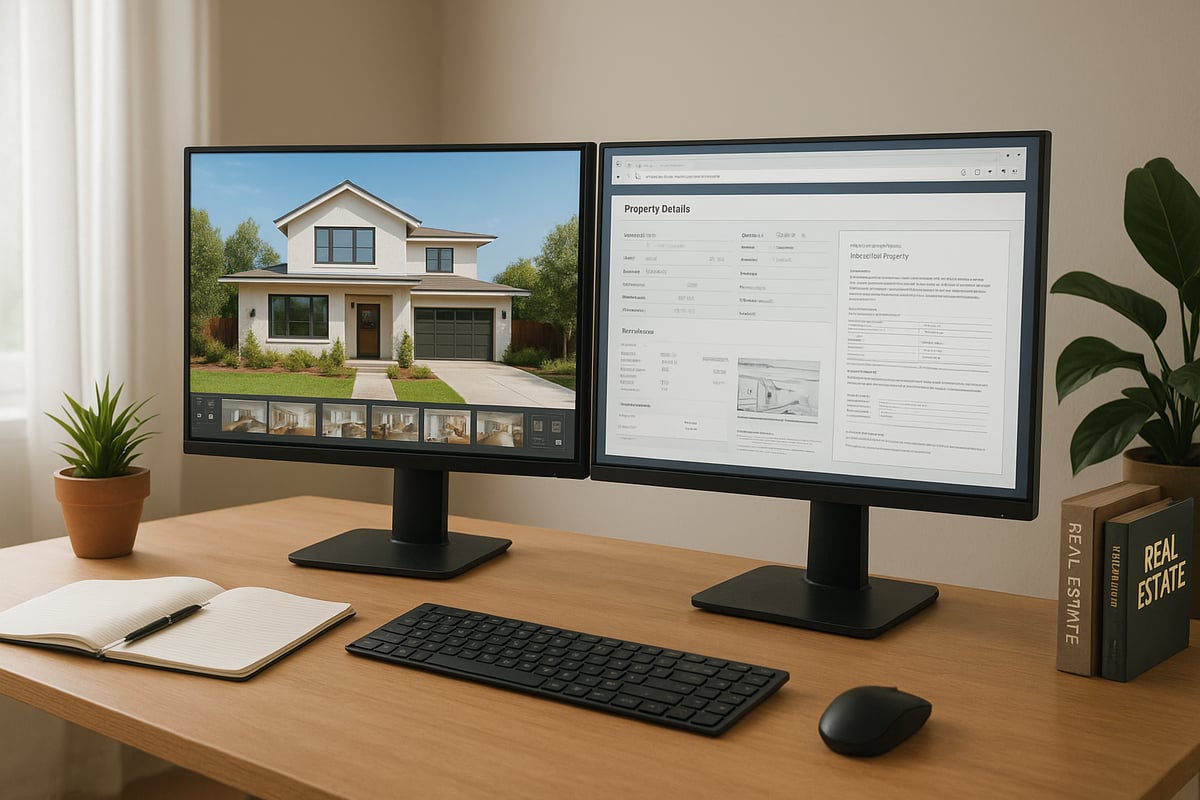
Traditionally, real estate agents, brokers, and support staff worked in bustling offices, collaborating face-to-face. But now, digital transformation is making remote options not just possible, but preferable for many. The rise of real estate work from home means professionals can support clients, close deals, and manage transactions without setting foot in a brick-and-mortar office.
The pandemic accelerated this evolution. Lockdowns forced agencies to rethink business, fast-tracking virtual open houses, e-signatures, and cloud-based platforms. Companies like Redfin and eXp Realty now offer fully remote roles. This flexibility empowers agents to serve clients across broader markets, while reducing costs and commuting stress.
However, remote real estate work comes with challenges. Professionals must adapt to new tech, maintain strong communication, and manage their own schedules. Security is also a concern, especially when handling sensitive client data. Solutions include robust training programs, secure document transfer systems, and regular check-ins with virtual teams. For a deeper dive into the enduring appeal of flexible work in this industry, explore the McKinsey report on flexible work.
Essential Skills and Tools for Remote Real Estate Roles
Success in real estate work from home depends on a blend of technical and soft skills. Here’s a snapshot:
| Skill Type | Examples |
|---|---|
| Technical | CRM software, virtual meeting tools, digital marketing |
| Soft | Communication, self-motivation, time management |
Mastery of tools like DocuSign for e-signatures, Zoom for meetings, Salesforce for CRM, and Matterport for virtual tours is essential. These platforms streamline daily tasks and keep remote teams connected.
Ongoing education is also key. Many remote roles require state-specific licenses or certifications, and continuing education ensures you stay ahead of changing regulations. Security and compliance are non-negotiable, so professionals must follow best practices to protect client data.
Building these skills helps you stand out in the real estate work from home landscape. Whether you’re new to the field or a seasoned pro, the right tools and mindset can set you up for long-term success.
7 Best Real Estate Work From Home Opportunities in 2026
The real estate work from home landscape is more dynamic than ever, offering a range of rewarding careers for 2026. Whether you thrive on sales, love organization, or enjoy creative marketing, there is a remote real estate role that fits your strengths. As technology and market trends drive demand for flexibility, let us explore the top seven opportunities projected to thrive in the coming years. For deeper insight into future trends, check out these real estate remote work trends 2026.

1. Virtual Real Estate Agent
Virtual real estate agents are at the heart of the real estate work from home revolution. They handle everything from listing properties and conducting virtual showings to negotiating deals and guiding clients through the closing process, all from their home office.
Daily responsibilities include managing online listings, hosting video tours, communicating with clients via phone and email, and using e-signature platforms for paperwork. Agents leverage tools like Zoom for consultations and DocuSign for contracts.
To become a virtual agent, you need a valid real estate license, which varies by state. Some states, such as Texas and Florida, are especially friendly for remote agents due to high demand and supportive regulations.
Income potential ranges from $50,000 to $110,000 per year, depending on market and sales volume.
Pros:
- Flexible schedule
- Broader client reach
- Lower operational costs
Cons:
- Requires self-discipline
- Heavy reliance on technology
- High competition
This role is ideal for licensed agents wanting to expand their reach or find better work-life balance through real estate work from home.
2. Remote Mortgage Loan Officer
Remote mortgage loan officers play a critical role in the real estate work from home ecosystem. They assist clients in finding, applying for, and securing home loans, handling everything from pre-qualification to closing.
Their daily work involves reviewing applications, consulting with clients by phone or video, and using platforms like Encompass, Blend, and Mortgagebot. Loan officers typically process various loans including conventional, FHA, and VA.
To work in this role, you must have a National Mortgage Licensing System (NMLS) license and stay up-to-date with compliance regulations.
Income ranges from $45,000 to $120,000 per year, plus commissions.
Pros:
- High earning potential
- Nationwide client base
- Strong demand for expertise
Cons:
- Complex regulatory environment
- Need for ongoing education
This position is perfect for detail-oriented professionals who excel at customer service and compliance in a real estate work from home setting.
3. Real Estate Transaction Coordinator
Transaction coordinators are the organizational backbone of any real estate work from home team. They manage deadlines, coordinate paperwork, and ensure all transactions comply with legal and brokerage requirements.
Typical tasks include document preparation, contract review, deadline tracking, and communication with all parties involved. Familiarity with real estate software like Dotloop and Skyslope is a plus.
What sets this role apart is that no real estate license is required, making it accessible to those with administrative experience. It pays between $35,000 and $65,000 per year.
Pros:
- No licensing needed
- Consistent workflow
- Location independence
Cons:
- Repetitive administrative tasks
- High attention to detail required
If you love organization, multitasking, and supporting agents and clients, this real estate work from home opportunity is a great choice.
4. Remote Real Estate Marketing Specialist
A remote real estate marketing specialist helps agents and brokerages grow their business through digital strategies. This real estate work from home role involves managing social media, running ad campaigns, designing graphics, and optimizing web content for SEO.
Key platforms include Facebook Ads, Google Ads, Canva, and Mailchimp. You may also host virtual open houses and create video tours.
Income ranges from $40,000 to $85,000 a year, depending on experience and client load.
Pros:
- Creative freedom
- High demand for digital skills
- Potential to serve multiple clients
Cons:
- Results-driven
- Fast-paced, ever-changing digital landscape
This is perfect for creative individuals with a flair for digital marketing who want to work in real estate work from home roles.
5. Remote Real Estate Appraiser
Remote appraisers assess property value using digital tools and virtual inspections, making them essential to the real estate work from home market. They analyze property data, review comparable sales, and sometimes conduct video walkthroughs with homeowners.
State certification and licensing are required, and you will use appraisal software, MLS databases, and secure video platforms.
Salaries range from $60,000 to $150,000 per year, reflecting the specialized nature of the work.
Pros:
- High autonomy
- Strong earning potential
- Flexible schedule
Cons:
- State-specific licensing
- Need for precise documentation
This real estate work from home option is best for experienced appraisers seeking flexibility and independence.
6. Virtual Property Manager
Virtual property managers oversee rental properties remotely, handling tenant communications, rent collection, repairs, and maintenance coordination. This real estate work from home role uses property management software like Buildium and AppFolio, along with virtual maintenance request systems.
They may manage multiple properties, scaling their business with minimal travel. Income ranges from $45,000 to $90,000 annually.
Pros:
- Scalable business model
- Minimal in-person requirements
- Manage multiple properties
Cons:
- After-hours emergencies possible
- Requires excellent communication
This is a great real estate work from home career for those with experience in property management and a knack for organization.
7. Remote Title and Escrow Officer
Remote title and escrow officers are vital in the closing process, ensuring all legal documents are accurate and transactions are secure. In this real estate work from home role, officers conduct title searches, verify documents, and coordinate closings using secure software.
They must comply with state-specific legal requirements and use specialized title production platforms.
Salaries typically range from $50,000 to $100,000 per year.
Pros:
- Essential role in transactions
- Consistent demand
- Work for national firms
Cons:
- Detail-intensive
- Requires legal knowledge
This real estate work from home job is well-suited for experienced title professionals who want more flexibility.
Comparison Table: Remote Real Estate Careers
| Role | License Required | Average Salary | Key Tools | Best For |
|---|---|---|---|---|
| Virtual Real Estate Agent | Yes | $50k–$110k | Zoom, DocuSign, MLS | Licensed agents |
| Mortgage Loan Officer | Yes (NMLS) | $45k–$120k+ | Encompass, Blend, Mortgagebot | Finance and compliance experts |
| Transaction Coordinator | No | $35k–$65k | Dotloop, Skyslope | Organized admins |
| Marketing Specialist | No | $40k–$85k | Canva, Facebook Ads | Creative marketers |
| Appraiser | Yes | $60k–$150k | Appraisal software, MLS | Certified appraisers |
| Property Manager | No | $45k–$90k | Buildium, AppFolio | Property management pros |
| Title and Escrow Officer | Yes | $50k–$100k | Title software, secure portals | Title/escrow experts |
No matter your background, the real estate work from home sector in 2026 offers a path for nearly everyone. By leveraging technology and staying ahead of industry trends, you can find a flexible, rewarding career that fits your lifestyle.
How to Get Started in a Remote Real Estate Career
Ready to step into the world of real estate work from home? The journey begins with understanding the right qualifications, setting up a productive workspace, and knowing where to find remote opportunities. Let’s break down the steps to launch your remote real estate career with confidence.

Education, Certification, and Licensing Requirements
To succeed in real estate work from home roles, you’ll need the right credentials. Most remote real estate jobs, like virtual agents or appraisers, require state-issued licenses. For example, agents must pass a pre-licensing course and exam, while loan officers need NMLS certification. Appraisers require state-specific licensing, often involving coursework and supervised experience.
Choose accredited online programs for training. Reputable platforms like Real Estate Express, Kaplan, and Coursera offer flexible courses tailored to each state’s requirements. Continuing education is vital, as regulations and best practices evolve regularly.
Understanding career paths is also crucial. To clarify the distinctions between agent and broker roles, check out what is the difference between a Realtor and a real estate agent. When building your remote resume, highlight digital skills, certifications, and success stories that showcase your readiness for remote real estate work from home jobs.
Building Your Remote Work Setup
A well-equipped home office is essential for real estate work from home success. Start with a reliable computer, high-speed internet, webcam, and noise-canceling headset. Invest in a comfortable chair and proper lighting to support productivity during long workdays.
Choose industry-standard software like DocuSign for e-signatures, Zoom for meetings, and Salesforce for managing contacts. Secure your devices with antivirus tools and use encrypted platforms for sensitive transactions to meet compliance standards.
Set up a dedicated workspace, free from distractions, to maintain professionalism during virtual meetings. Practice using virtual backgrounds and screen-sharing features to create a polished impression. Remember, a seamless work environment helps you deliver excellent real estate work from home service to clients and colleagues.
Job Search Strategies and Resources
Finding real estate work from home jobs starts with exploring the right platforms. Top job boards like FlexJobs, Indeed, and Remote.co feature hundreds of remote real estate postings daily. Networking is equally important. Join LinkedIn groups, Facebook communities, and online real estate forums to connect with industry peers and discover hidden opportunities.
To stand out, build a digital portfolio showcasing your certifications, past remote projects, and client testimonials. Maintain an active online presence and tailor your applications to highlight remote-specific skills. For context on the growing prevalence of remote work, you might find the latest remote work statistics 2025 helpful.
Embrace a growth mindset and stay proactive. With the right approach, you’ll find real estate work from home roles that align with your skills, interests, and lifestyle.
Future Trends in Remote Real Estate Work
The future of real estate work from home is brighter than ever, with technology and shifting market needs paving the way for exciting innovations. As we look ahead to 2026, it is clear that remote roles will continue to expand and evolve, offering more flexibility and new types of opportunities for professionals across the industry.
Artificial Intelligence and Automation
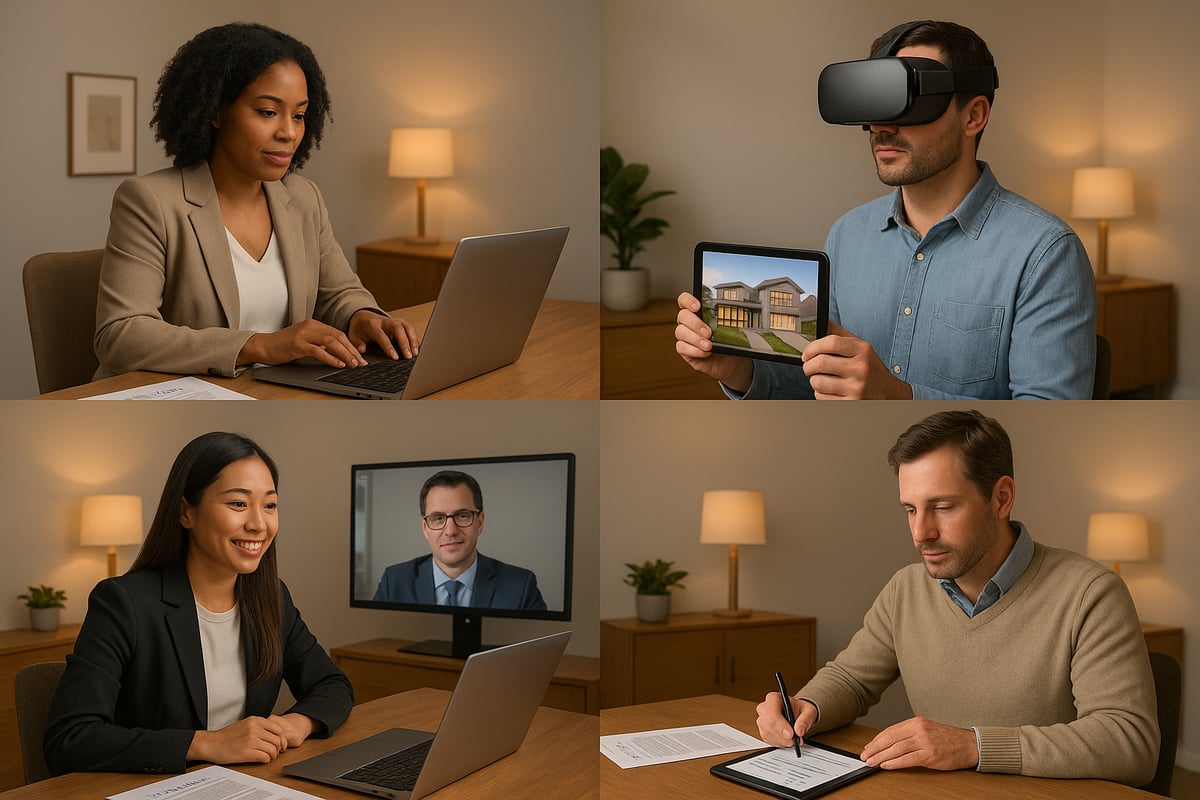
AI-powered tools are quickly becoming essential for real estate work from home. These systems handle everything from automated property valuations to predictive analytics, making it easier for remote professionals to serve clients efficiently. Automation streamlines repetitive tasks, freeing up more time for relationship-building and strategic work.
Virtual and Augmented Reality
Virtual reality (VR) and augmented reality (AR) are transforming how buyers experience properties from a distance. Virtual tours and immersive 3D walkthroughs allow clients to explore homes without leaving their own living rooms. This trend is expected to accelerate, making real estate work from home even more interactive and client-focused.
Rise of Gig and Specialized Remote Roles
The gig economy is reshaping the landscape, with more short-term and freelance opportunities available in areas like digital marketing, transaction coordination, and data analysis. Specialized roles, such as remote compliance officers and tech-savvy appraisers, are in high demand as companies seek niche expertise for their distributed teams.
Market Shifts and Remote Work Adoption
Industry forecasts predict that by 2026, over 35% of real estate professionals will engage in remote or hybrid work models. According to recent research, the impact of remote work on housing market is significant, driving demand for digital solutions and changing where and how people buy homes. This shift means more opportunities for real estate work from home across the country.
| Trend | Impact on Remote Real Estate Work |
|---|---|
| AI & Automation | Streamlines tasks, boosts efficiency |
| VR & AR | Enhances property tours, increases engagement |
| Gig/Freelance Roles | Expands opportunities, attracts niche skills |
| Remote Work Adoption | Grows job market, supports nationwide flexibility |
Preparing for What’s Next
To thrive in real estate work from home, professionals should focus on upskilling and staying current with technology trends. Embracing new tools and maintaining strong digital communication skills will help future-proof your career, ensuring you stay ahead as the industry continues to evolve.
If reading about these exciting work from home real estate opportunities has sparked your curiosity about what’s possible for your own career, you’re not alone We’re living in a time where flexibility and meaningful work can go hand in hand, whether you’re helping clients find their dream homes or supporting transactions from behind the scenes If you’re ready to take the next step toward a rewarding real estate journey or simply want friendly guidance on where to begin, let’s connect together We can explore your goals, answer your questions, and help you get started on a path that fits your lifestyle Get Started