
Imagine stepping into 2026 ready to make moves in the world of property and homes, feeling equipped and empowered for every decision. The landscape is evolving quickly, but with the right insights, you can stay ahead and make choices that truly fit your goals.
This guide is here to break down the complexities of today’s market. Whether you’re buying, selling, or investing, we’ll explore the data, trends, and strategies that matter most for success.
Together, we’ll look at future market shifts, smart home advances, and expert tips to help you thrive. Let’s dive in and unlock your potential in the property world of 2026.
The 2026 Property Market: Key Trends and Forecasts
The landscape of property and homes in 2026 is evolving rapidly, shaped by economic shifts, technology, changing lifestyles, and new policies. Understanding these trends can help us navigate the market with greater confidence, whether we're buying, selling, or investing. Let's explore the major forces influencing property and homes this year.
Economic Factors Shaping the Market
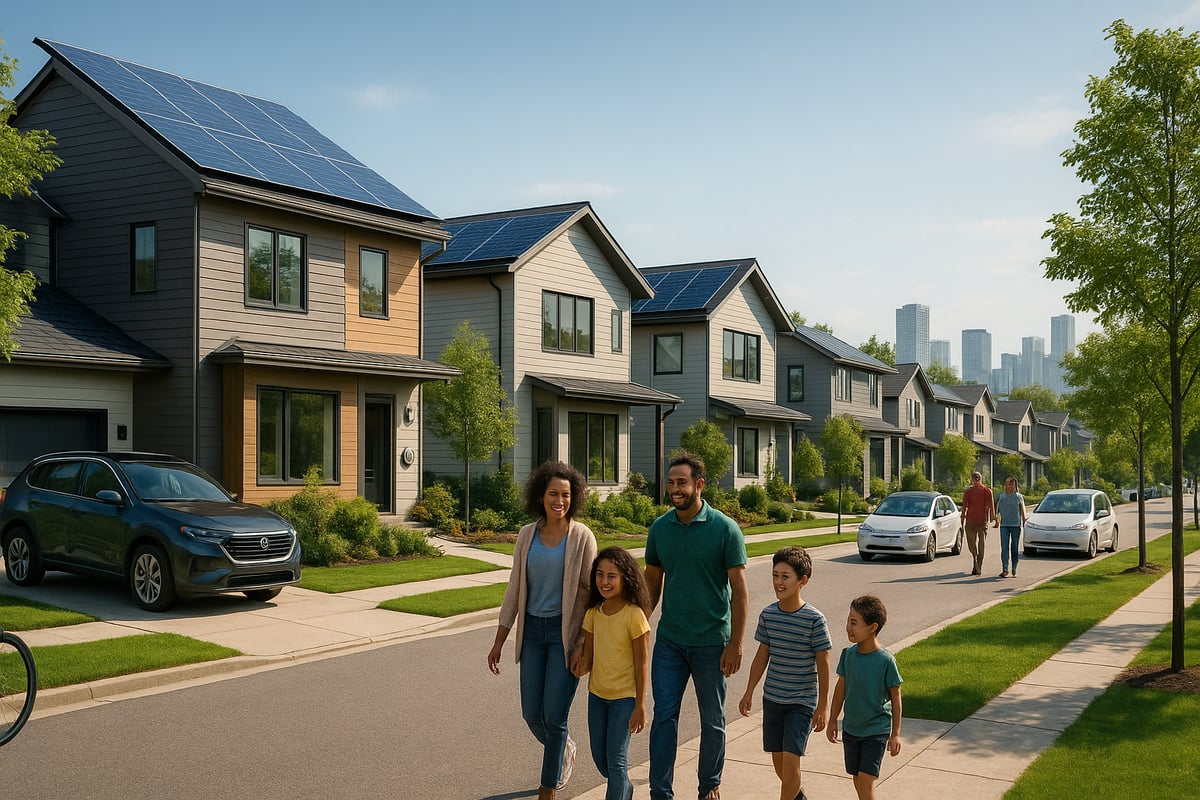
Economic trends are a driving force for property and homes in 2026. Mortgage rates are projected to hover between 5.2 percent and 5.8 percent, which, combined with persistent inflation, affects affordability for many buyers. Rising interest rates can slow buyer activity, while steady job growth and continued popularity of remote work fuel demand in both urban and suburban areas.
Regional growth remains uneven. Cities in the Sun Belt and Midwest are seeing strong migration and job creation, making them market hotspots. For example, Dallas, Charlotte, and Columbus are highlighted for robust inventory growth and buyer interest.
According to Realtor.com’s 2026 Housing Forecast, the national median price for property and homes is expected to rise by 4 to 6 percent. This means buyers and investors must stay agile and informed as the market shifts.
Demand, Supply, and Inventory Dynamics
In 2026, the balance between demand and supply for property and homes is still tight in many regions. Inventory shortages remain a challenge, especially in affordable price ranges. At the same time, more builders are turning to sustainable and modular home construction, speeding up delivery and reducing environmental impact.
Urban markets are stabilizing, but many buyers continue to favor suburban and rural communities for space and flexibility. Cities like Phoenix and Nashville are experiencing the highest growth in housing inventory, giving buyers more choices.
If you're exploring property and homes, keep an eye on these evolving supply trends. They can directly impact your timing and strategy as a buyer or seller.
Technology and Digital Transformation
Technology is transforming how we experience property and homes. Virtual tours and AI-driven property valuations are now the norm, making it easier to evaluate homes from anywhere. Blockchain is starting to streamline property records and smart contracts, reducing paperwork and speeding up transactions.
Leading real estate platforms are integrating AI for personalized home searches, allowing us to find property and homes that match our specific needs more efficiently. Digital tools also make the buying and selling process smoother for everyone involved.
Embracing these innovations can help us stay ahead in a fast-moving market.
Demographic Shifts and Buyer Preferences
The face of property and homes ownership is changing. Millennials and Gen Z are making up a larger share of buyers, with preferences for smart tech, flexible layouts, and sustainable features. Their homeownership rates are increasing, driven by new mortgage options and digital buying tools.
At the same time, the aging population is fueling demand for downsizing and senior living communities. Multigenerational living is also on the rise, with more families seeking homes that accommodate grandparents, parents, and children together.
In 2026, about 40 percent of buyers are first-timers, while 60 percent are repeat buyers. Understanding these demographic trends helps us make informed decisions about property and homes.
Government Policies and Incentives
Government initiatives are shaping the property and homes market in 2026. New tax credits, subsidies, and first-time buyer programs are making homeownership more accessible in some regions. For instance, a federal incentive launched this year offers a credit for buyers who choose energy-efficient homes.
Changes to zoning laws are encouraging more mixed-use and higher-density developments, especially in urban areas. This shift impacts the types of property and homes available and can open up new opportunities for both buyers and developers.
Staying updated on these policies ensures we can take full advantage of available incentives and navigate regulatory changes smoothly.
Environmental and Climate Considerations
Environmental concerns are top of mind for anyone interested in property and homes in 2026. There is growing demand for energy-efficient and climate-resilient houses. Features such as solar panels, green roofs, and advanced insulation are increasingly common, not just for sustainability but also for cost savings.
Climate risks like floods and wildfires are influencing where people choose to live, and insurance companies are adjusting premiums accordingly. Green-certified property and homes listings have grown by over 20 percent compared to previous years, showing a clear shift in market priorities.
Choosing environmentally friendly property and homes can mean better long-term value and peace of mind for owners.
Smart Homes and Sustainable Living in 2026
Picture the comfort of living in a home that’s not just smart, but also sustainable and healthy. In 2026, property and homes are transforming into high-tech havens that prioritize both convenience and the environment. Let’s explore how these innovations are reshaping our lives.
Next-Gen Smart Home Technology
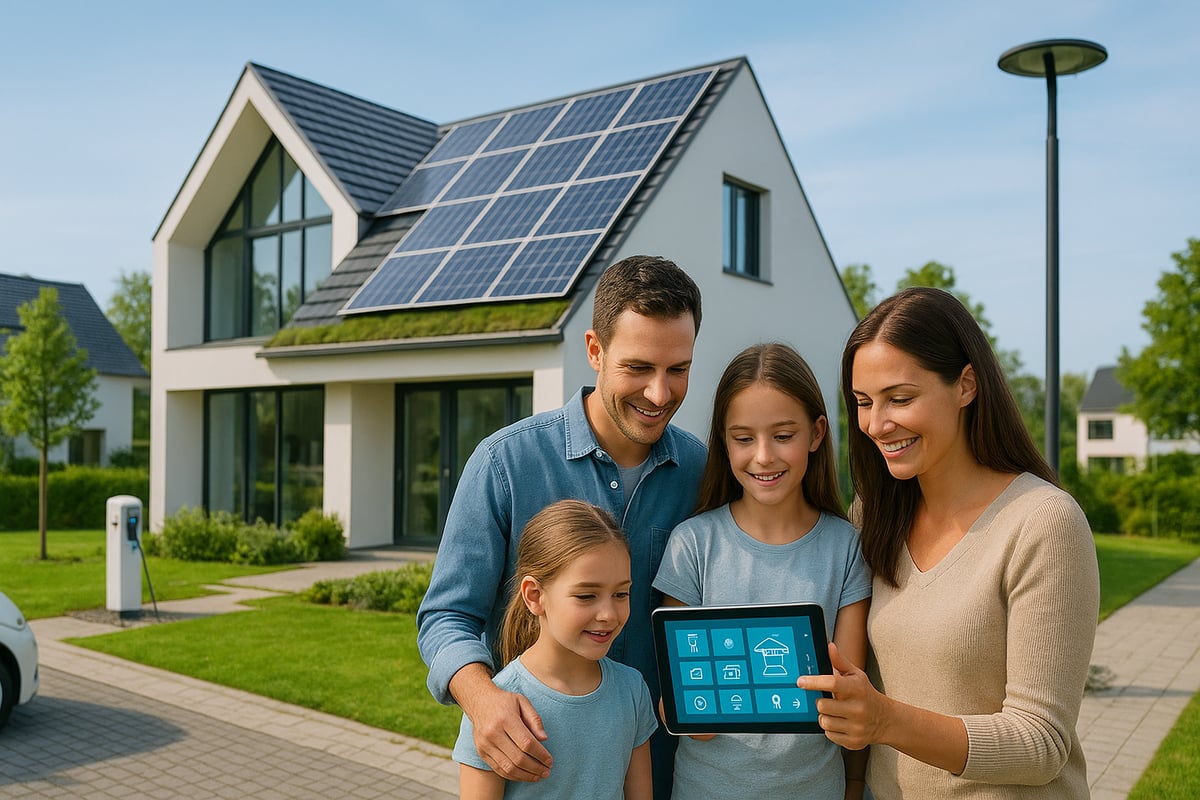
The future of property and homes is all about seamless connectivity. In 2026, we’ll see smart devices become standard, from advanced security systems to intuitive energy management and health monitoring tools.
IoT devices now communicate effortlessly, making daily routines smoother. Homeowners can adjust lighting, climate, and security with a tap or by voice command. Some of the top-rated innovations include smart thermostats that learn your schedule and home security systems that use AI for instant alerts.
- Smart security cameras and doorbells
- Automated lighting and climate controls
- Health monitoring sensors integrated into living spaces
These advancements make property and homes safer and more efficient, giving us peace of mind.
Eco-Friendly Building Materials and Design
Sustainability is at the heart of new property and homes. Builders are embracing recycled materials, solar panels, and even green roofs to reduce environmental impact. Designs focus on passive energy use, with net-zero energy homes becoming more common.
Notable projects in 2026 use reclaimed wood, low-VOC paints, and highly efficient insulation. Solar energy systems are often paired with battery storage, allowing homes to operate independently during outages.
- Recycled steel and wood structures
- Living roofs covered in vegetation
- Triple-glazed windows for better insulation
The result is a new standard for property and homes that are as eco-friendly as they are beautiful.
Energy Efficiency and Cost Savings
Energy-saving upgrades are now a top priority for property and homes. Advances in insulation, high-performance windows, and next-gen HVAC systems are making a measurable difference. Homeowners enjoy lower utility bills and greater comfort year-round.
Many governments are offering rebates for energy-efficient appliances and retrofits. Data from 2026 shows that efficient property and homes can save owners up to 30% on annual energy costs compared to older builds.
| Feature | Average Savings (%) |
|---|---|
| Smart HVAC Systems | 15 |
| Triple-Glazed Windows | 10 |
| Solar Panels | 20 |
Choosing energy-efficient property and homes is not just good for the planet, it’s great for your wallet too.
Health, Wellness, and Indoor Air Quality
Wellness is a key focus in 2026’s property and homes. Buyers are seeking advanced air filtration, abundant natural light, and biophilic design that brings nature indoors. Builders are responding with wellness-focused features, like circadian lighting and purified air systems.
Homes designed for well-being can improve sleep, reduce stress, and support healthier lifestyles. For more ideas on creating a healthy home environment, check out Tips for Buying a Healthy Home.
- HEPA air filtration systems
- Large windows for daylight and views
- Indoor gardens and green walls
These features set a new bar for comfort and wellness in property and homes.
Smart Neighborhoods and Community Planning
The evolution of property and homes extends beyond the front door. In 2026, planned communities are integrating smart infrastructure and abundant green spaces to enhance daily life. Residents benefit from EV charging stations, community solar arrays, and digital amenities like high-speed mesh Wi-Fi.
Some of the most innovative neighborhoods offer shared gardens, automated waste management, and real-time community updates. These features foster a sense of connection and sustainability.
- Shared electric vehicle charging points
- Community solar power and battery banks
- Digital kiosks for community news
Choosing property and homes in these forward-thinking neighborhoods means joining a community built for the future.
How to Buy a Home in 2026: Step-by-Step Guide
Thinking about buying property and homes in 2026? You are not alone. With the market evolving, technology advancing, and new trends shaping every stage, it is smart to approach your home search with a clear plan. Let us walk through each step together so you can confidently navigate the process and find the perfect fit.

Step 1: Assess Your Finances and Mortgage Options
Start by taking a close look at your finances and understanding what you can comfortably afford. In 2026, buyers enjoy a wide array of mortgage products for property and homes, including fixed-rate, adjustable, and innovative green loans tailored for energy-efficient properties.
Check your credit score, as most lenders now use digital pre-approval tools that speed up your application. Compare options using online platforms that let you see rates and terms side by side.
Popular 2026 Mortgage Types:
| Mortgage Type | Best For | Key Feature |
|---|---|---|
| Fixed-rate | Long-term stability seekers | Locked-in interest rate |
| Adjustable | Short-term buyers | Lower initial payments |
| Green loans | Eco-conscious homeowners | Incentives for upgrades |
Exploring these choices early helps set a realistic budget and makes your property and homes search smoother.
Step 2: Define Your Needs and Research the Market
Before diving into listings, clarify what you want in property and homes. List your must-haves, such as number of bedrooms, work-from-home spaces, smart features, and preferred locations.
Leverage AI-driven search tools and virtual tours to explore neighborhoods and homes without leaving your couch. Many platforms now offer personalized recommendations based on your lifestyle and future plans.
To avoid common pitfalls, educate yourself on market trends and what to watch out for. Review resources like Common Homebuyer Mistakes to Avoid to make informed decisions and set realistic expectations.
By researching thoroughly, you will feel more confident as you evaluate property and homes in your chosen area.
Step 3: Find and Work with a Real Estate Professional
A knowledgeable agent can be your greatest ally when buying property and homes in 2026. Today’s real estate professionals combine local expertise with digital skills, helping you interpret market data and negotiate smartly.
When choosing an agent, look for:
- Experience with smart and sustainable homes
- Familiarity with digital marketing and virtual showings
- Positive reviews and a transparent communication style
Interview a few candidates and ask about their success with property and homes similar to what you seek. The right agent will listen to your needs and guide you through each stage, making the entire journey less stressful.
Step 4: Tour Homes and Evaluate Properties
Once you have a shortlist, it is time to tour property and homes that catch your eye. Augmented and virtual reality walkthroughs are now standard, letting you explore every corner from anywhere.
During tours, focus on:
- Functionality of smart tech systems
- Energy efficiency features
- Structural integrity and future maintenance needs
Smart Home Inspection Checklist:
- Test security systems and sensors
- Review energy management dashboards
- Check for up-to-date certifications
Taking time to evaluate property and homes thoroughly helps you spot both value and potential issues before making an offer.
Step 5: Make an Offer and Negotiate Terms
When you find the right property and homes, crafting a competitive offer is crucial. In 2026, most negotiations happen digitally, with e-signatures and blockchain contracts ensuring security and speed.
Key negotiation points often include:
- Sale price and contingencies
- Inclusion of smart devices and warranties
- Closing timeline and flexibility
Use digital tools to track progress and document decisions. Remember, staying informed and flexible can help you secure property and homes in a fast-moving market.
Step 6: Closing the Deal and Moving In
You are nearly there! Closing on property and homes in 2026 is more streamlined than ever. Digital closing portals handle paperwork, remote notarization, and secure fund transfers.
Be sure to:
- Schedule a final walkthrough to confirm the property’s condition
- Transfer smart home accounts and utilities to your name
- Review all documents for accuracy
From offer acceptance to move-in day, expect the process to take about 30 to 45 days. By following these steps, you will be ready to enjoy your new property and homes with confidence.
Selling Your Property in 2026: Maximizing Value and Appeal
Thinking about selling your property and homes in 2026? You’re not alone. With new technology, shifting buyer expectations, and a competitive market, maximizing value is both an art and a science. Let’s break down what it takes to stand out and get the best results.
Preparing Your Home for Sale
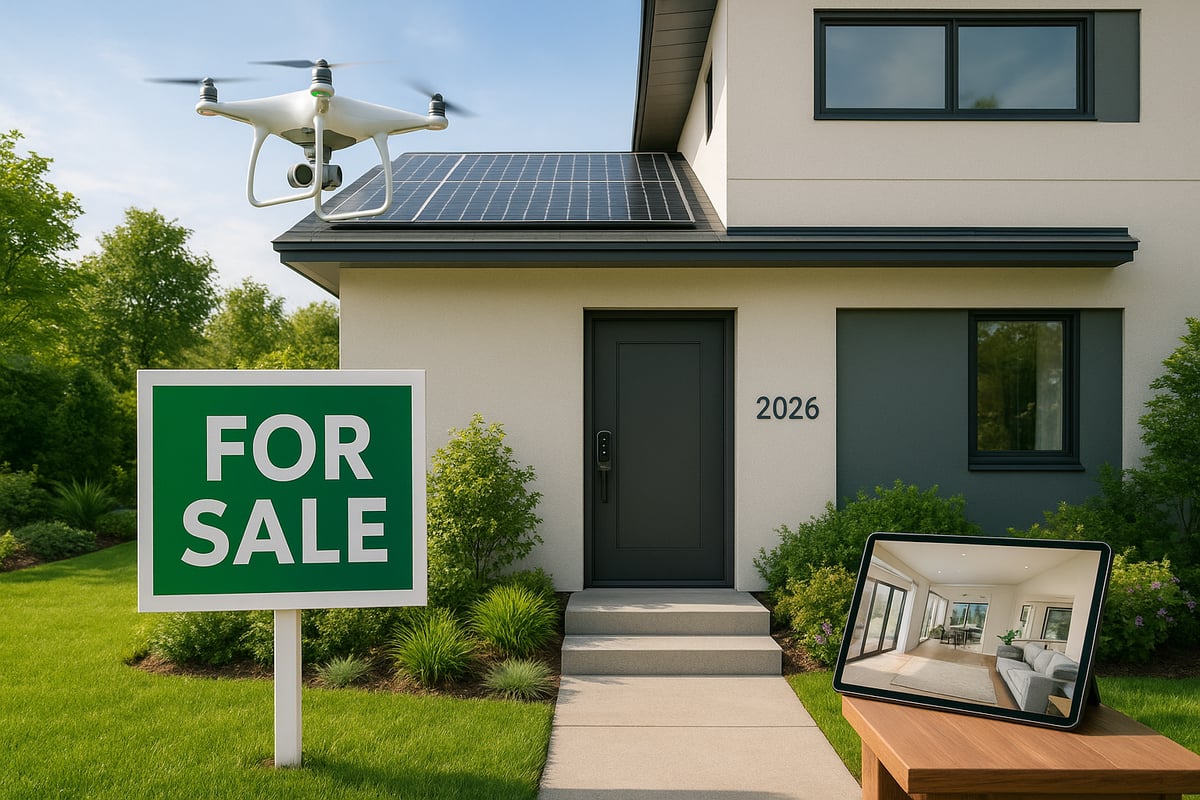
First impressions matter more than ever in the property and homes market. Smart upgrades like a video doorbell, automated lighting, and energy-efficient thermostats can instantly boost appeal. Don’t forget curb appeal—fresh landscaping and a clean exterior make a huge difference.
Staging has gone digital. Virtual and augmented reality tools let buyers visualize themselves in your space. For practical, step-by-step advice, check out Preparing Your Home for Sale to ensure your property and homes shine from day one.
A well-prepared home not only attracts more interest but often sells faster and for a higher price.
Digital Marketing and Listing Strategies
Marketing your property and homes in 2026 is all about blending creativity with technology. Start with professional photos and 4K drone footage to showcase your home’s best angles. Add immersive 3D tours and virtual open houses to reach buyers wherever they are.
Listing platforms now use AI to match properties with the right audience. Optimize your listing with smart home features and energy-saving details front and center. A recent case showed a staged virtual tour brought in 40 percent more views, proving that digital strategy pays off.
Pricing Your Property in a Dynamic Market
Setting the right price for your property and homes takes more than guessing. Use AI-powered valuations and up-to-date market comps to guide your decision. Today’s buyers notice eco-friendly upgrades, so highlight smart thermostats, solar panels, and green certifications.
A recent analysis found green-certified property and homes sold for a 6 percent premium in 2026, compared to traditional listings. Use real-time data to adjust your pricing and stay ahead of the competition.
| Feature | Price Premium in 2026 |
|---|---|
| Green-certified | +6% |
| Smart security system | +3% |
| Solar panels | +4% |
Navigating Offers and Negotiations
Receiving offers on your property and homes can be exciting, but smart negotiation is key. Expect multiple offers, especially for tech-enabled homes. Digital negotiation tools allow for quicker, more transparent communication between you and buyers.
Be prepared for contingencies related to smart home devices and warranties. In 2026, common negotiation challenges include transfer of smart tech accounts and ensuring all systems meet buyer expectations. Stay flexible and keep the lines of communication open for a smooth process.
Closing and Post-Sale Considerations
The final steps in selling your property and homes have gone digital. Remote notarization, e-signatures, and online document transfers streamline the closing process. Before handing over the keys, transfer smart home accounts and ensure all tech features are ready for the new owner.
Sellers must disclose smart and sustainable features, following all legal requirements. Use a checklist to confirm you’ve covered everything for a seamless digital closing:
- Transfer utility and smart home accounts
- Provide documentation for green upgrades
- Complete all required disclosures
A smooth closing leaves both seller and buyer confident in the transaction.
Real Estate Investment Opportunities in 2026
The world of property and homes in 2026 is filled with fresh possibilities for investors of every experience level. Whether you’re searching for the next big market, exploring smart technology upgrades, or looking to diversify your portfolio, understanding the landscape is key. Let’s explore the most promising real estate investment opportunities and how you can position yourself for success.
Emerging Markets and High-Growth Regions
Spotting the right location is always at the heart of smart investing in property and homes. In 2026, many investors are turning their attention to secondary cities and up-and-coming regions that promise higher appreciation and rental yields. According to PwC’s Emerging Real Estate Markets 2026, cities with strong job growth, robust infrastructure, and a focus on sustainability are leading the charge.
Let’s look at a quick comparison of five of the fastest-growing property and homes markets in 2026:
| City | Growth Rate (%) | Key Drivers |
|---|---|---|
| Austin | 7.5 | Tech, migration |
| Raleigh | 6.8 | Education, biotech |
| Boise | 6.4 | Affordability, jobs |
| Tampa | 6.1 | Retirees, tourism |
| Nashville | 5.9 | Culture, healthcare |
By focusing on these vibrant markets, you can tap into rising demand for both residential and rental property and homes.
Short-Term Rentals and Alternative Investments
Short-term rentals remain a thriving segment of property and homes, especially as travel rebounds and remote work continues. Investors are increasingly exploring vacation rentals, co-living spaces, and build-to-rent communities. These alternative investments offer flexibility and, often, higher yields than traditional long-term rentals.
Average occupancy rates for short-term rentals in 2026 hover around 72 percent in top tourist destinations. This makes them an attractive addition to your property and homes portfolio. However, always check local regulations, as some cities have tightened rules around short-term stays.
Investing in Smart and Sustainable Properties
The demand for eco-friendly and tech-enabled property and homes is at an all-time high. Tenants and buyers alike are seeking features such as solar panels, smart thermostats, and energy-efficient appliances. Green-certified buildings often command rental and resale premiums.
Let’s compare the return on investment for smart versus traditional property and homes:
| Feature Set | Avg. ROI (%) | Tenant Demand |
|---|---|---|
| Smart/Sustainable | 9.2 | High |
| Traditional | 6.7 | Moderate |
By prioritizing upgrades and sustainable features, you future-proof your investment and appeal to a wider audience in the property and homes market.
Crowdfunding and Fractional Ownership
In 2026, crowdfunding platforms and tokenized shares are making property and homes investment more accessible than ever. These tools allow you to buy a fraction of a property, reducing your risk and lowering the barrier to entry. Popular platforms offer average annual returns ranging from 7 to 12 percent.
If you’re new to investing, you might find Investing in Real Estate: Is It For You? helpful for understanding the basics of property and homes investing. Crowdfunding lets you diversify across multiple assets, so you’re not tied to a single property.
Risk Management and Diversification
Every investment carries risk, and property and homes are no exception. In 2026, investors must pay special attention to climate risks, local market volatility, and insurance coverage. Diversifying your holdings across regions and types of property and homes can help shield you from unexpected downturns.
Here are a few strategies for mitigating risk:
- Invest in different cities and property types
- Choose properties with strong insurance coverage
- Monitor local environmental factors, like flood or fire risk
By staying proactive and informed, you can build a resilient property and homes portfolio that thrives in any market condition.
Legal, Financial, and Regulatory Considerations for 2026
Navigating the legal and financial side of property and homes in 2026 can feel overwhelming, but with the right knowledge, we can make confident choices. Let’s break down the essentials together, so you feel fully prepared for what lies ahead.
Evolving Real Estate Laws and Compliance
In 2026, regulations around property and homes are evolving fast. New laws focus on smart home data privacy, cybersecurity, and sustainable building codes. For example, stricter zoning requirements are encouraging eco-friendly designs and better community planning.
Buyers and sellers need to understand how these changes impact transactions. For instance, many cities now require disclosures about smart tech and energy features. Staying informed about regional rules is crucial, especially as local governments adapt to new technologies. The NAR 2026 Forecast Summit Insights provide an excellent overview of expected market recovery and regulatory shifts.
Tax Implications and Incentives
Tax policies for property and homes in 2026 are designed to reward sustainability and support first-time buyers. Homeowners can access credits for energy-efficient upgrades, like solar panels or smart insulation. There are also expanded deductions for green-certified properties.
Comparing 2025 and 2026, the latest incentives make eco-friendly improvements even more attractive. First-time buyers benefit from new credits, reducing upfront costs. Always check the latest local and federal tax guidelines to maximize your savings.
| Year | First-Time Buyer Credit | Green Upgrade Credit |
|---|---|---|
| 2025 | $3,000 | 15% |
| 2026 | $4,000 | 20% |
Financing and Mortgage Innovations
Financing property and homes in 2026 is easier than ever. Digital mortgages and AI-driven underwriting speed up approvals and give us more transparency. Green loans, designed for energy-efficient homes, offer lower rates and flexible terms.
Fintech lenders are making the process more user-friendly, with instant pre-approvals and digital document uploads. Whether you’re buying your first home or refinancing, exploring these modern options helps you save time and money.
Insurance and Risk Management
Protecting property and homes in 2026 means thinking beyond traditional insurance. New policies cover smart devices, cyber risks, and climate events like floods or wildfires. Insurers now tailor coverage for connected homes, offering discounts for security and energy features.
Premiums fluctuate based on location and tech adoption, so it pays to compare options. Make sure your policy covers all smart upgrades and includes support for digital claims. Proactive risk management keeps your investment secure in a changing world.
As we look ahead to navigating the property market in 2026, it’s clear that having the right guidance and resources can make all the difference. Whether you’re dreaming of your first home, planning a smart investment, or just eager to see what’s possible in our evolving communities, we’re here to help you every step of the way. Let’s explore what’s out there together, with expert insights and genuine care for your goals. Ready to see what’s available in your area? Start Your Home Search and take the first step toward your next chapter.