
Ready to unlock your dream home or maximize your property’s value in 2026? The world of real estate is changing quickly, and staying ahead is more important than ever.
In this guide, you’ll find expert insights and practical strategies tailored to your home real estate goals. Whether you’re buying, selling, or investing, we’re here to help you make smart, confident decisions.
We’ll cover everything from the 2026 market outlook to step-by-step buying tips, selling strategies, financing trends, investment opportunities, and the benefits of local expertise. Let’s move forward together and make the most of your next real estate journey.
The 2026 Real Estate Market Outlook
The world of your home real estate is transforming quickly as we approach 2026. The market outlook is shaped by shifting lifestyles, new technology, and evolving buyer needs. Whether you are planning to buy, sell, or invest, understanding these changes can give you a real edge. Let’s walk through the trends, economic factors, demographics, policy updates, and technology that will define your home real estate journey in 2026.
Key Trends Shaping the Housing Market
The landscape of your home real estate is evolving as buyers and sellers adapt to new realities. Remote work is a major driver, allowing people to prioritize lifestyle over commute. This shift is fueling demand in suburban and smaller urban areas.
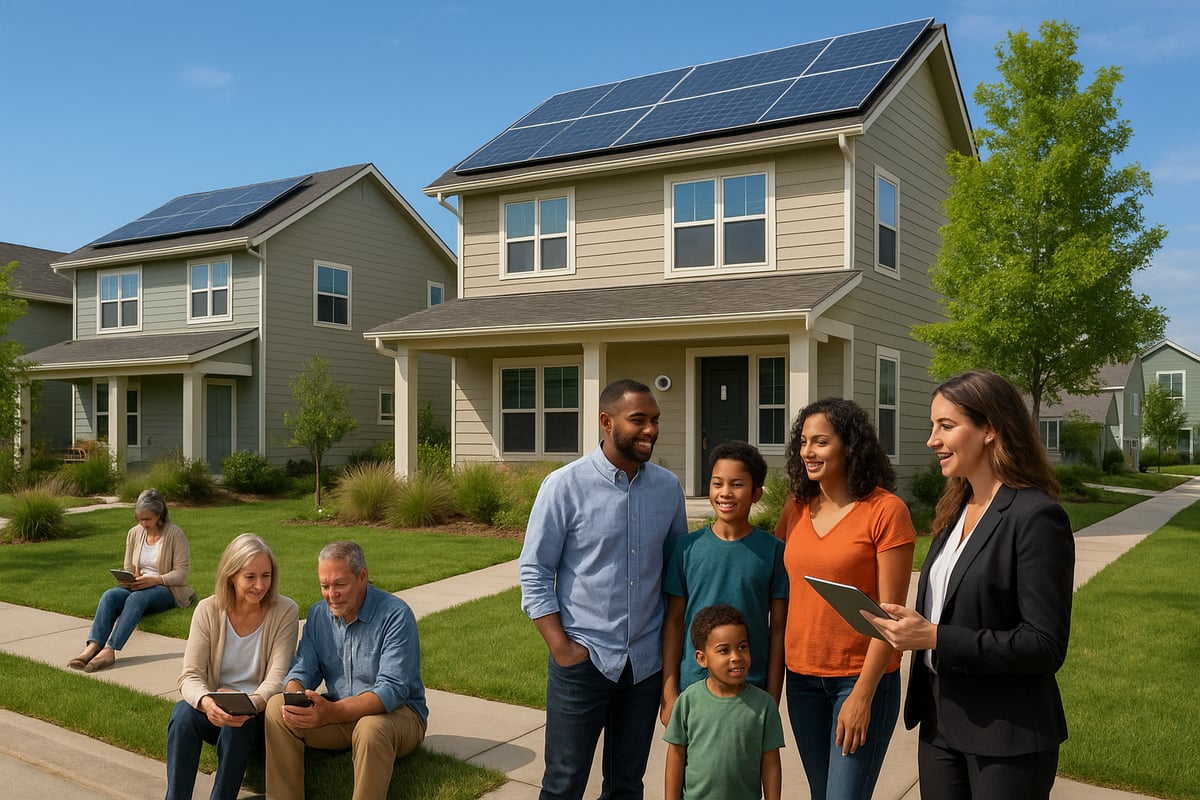
Sustainability is also at the forefront. Buyers seek energy-efficient homes with smart tech, such as solar panels and automated systems. Builders are responding with eco-friendly materials and increased new construction, but inventory remains tight in many regions.
For example, homes featuring green upgrades are selling faster and often at a premium. These trends will influence your home real estate decisions in 2026.
Economic Factors Influencing Home Prices
Economic shifts have a big impact on your home real estate plans. Interest rates are expected to remain below historical highs, though slight increases could affect affordability. Inflation and wage growth will play key roles in determining how much buyers can spend.
Regional price growth will vary, with some markets experiencing steady appreciation while others stabilize. According to the 2026 Housing Market Forecast, the National Association of Realtors predicts a comeback in home sales, with inventory growth easing pressure on prices.
Balancing wage gains with rising costs will be essential as you navigate your home real estate options.
Demographic Shifts and Buyer Profiles
Who is driving your home real estate market in 2026? Millennials and Gen Z are entering the market in large numbers, seeking flexible spaces and tech-ready homes. At the same time, Baby Boomers are downsizing, often looking for single-level properties or low-maintenance condos.
Multigenerational living is also on the rise. Families are pooling resources to purchase larger homes or multi-family properties, creating more demand for adaptable layouts.
For instance, the increase in multi-family purchases reflects a desire for both privacy and shared living. Understanding these shifts helps you position your home real estate decisions for success.
Regulatory and Policy Changes
Policy changes can shape your home real estate experience in unexpected ways. In 2026, look for updates to zoning laws that encourage more housing options and boost affordability. Tax policy adjustments and new first-time buyer incentives may make entering the market easier.
Mortgage standards are evolving, with possible changes in documentation and qualification criteria. Legislative proposals under discussion could impact how quickly transactions move and what buyers need to provide.
Staying informed about these evolving policies is crucial for anyone involved in your home real estate, whether buying, selling, or investing.
Technology’s Expanding Role in Real Estate
Technology is revolutionizing your home real estate journey. Virtual tours let buyers explore properties remotely, while AI-powered search tools match listings to your preferences. Digital closings and secure portals make transactions faster and safer.
Blockchain is making transactions more secure, reducing fraud risks. Online-only real estate platforms are gaining popularity, allowing for seamless buying and selling from anywhere.
For example, more buyers are completing their entire purchase online, from viewing homes to signing documents. Embracing these tools will help you stay ahead in your home real estate goals.
Step-by-Step Guide to Buying a Home in 2026
Embarking on your home real estate journey in 2026 is both exciting and empowering. With evolving technology and new market dynamics, buying a home is more accessible than ever. Let’s break down the process into clear, manageable steps to ensure you feel confident from start to finish.

Assessing Your Readiness and Setting Goals
Before diving into your home real estate adventure, take a close look at your finances. Review your credit score, monthly budget, and savings to gauge what you can comfortably afford. Many buyers use budgeting apps to project expenses and set realistic expectations.
Create a list of needs versus wants for your future lifestyle. Think about space, location, amenities, and how remote work or family plans might shape your priorities. For a step-by-step approach tailored to Kansas buyers, check out the Home Buying Steps in Kansas guide for extra support.
Setting clear goals now will help you stay focused, informed, and ready to act when you find the perfect home.
Navigating the Home Search Process
Searching for your home real estate gem in 2026 is easier with AI-powered tools and virtual tours. Start by exploring online platforms that offer smart search filters and 3D walkthroughs, allowing you to visit homes from the comfort of your couch.
Evaluate neighborhoods for future growth by reviewing school ratings, local amenities, and development plans. Shortlist areas that fit your lifestyle and budget. Remember, digital platforms now rank neighborhoods by walkability and community vibe.
Keep track of your favorite listings and schedule in-person or virtual showings to compare options. This method saves time and helps you make informed decisions.
Making Competitive Offers in a Dynamic Market
In a fast-paced your home real estate market, crafting a competitive offer is key. Understand the local climate: are bidding wars common or do homes linger on the market? Research recent sales to guide your offer price.
Consider using escalation clauses, which automatically increase your bid if other offers come in. Personalize your offer letter to connect with sellers, and remain flexible on closing dates or contingencies when possible.
Standing out as a motivated, prepared buyer increases your chances of success, even in a crowded market.
The Home Inspection and Appraisal Process
After your offer is accepted, it’s time for inspections and appraisals, essential steps in your home real estate purchase. In 2026, many inspectors use drone technology to check roofs and hard-to-reach areas. Digital reports deliver results quickly, highlighting any issues.
Appraisers use modern data tools to assess property value fairly. Be prepared to address common concerns, such as outdated systems or minor repairs. Review all findings with your agent and negotiate repairs or credits as needed.
This step protects your investment and ensures you’re making a sound decision.
Closing the Deal: Digital Transactions and Remote Closings
Closing your home real estate deal in 2026 can be a fully digital experience. E-signatures, secure portals, and remote notarization make paperwork fast and secure. You’ll review final documents, complete a last walkthrough, and receive a detailed closing cost breakdown.
The timeline from offer acceptance to getting your keys can be as quick as two weeks with streamlined digital tools. Stay in touch with your agent and lender to keep the process moving smoothly.
Celebrate this milestone—you’re officially a homeowner!
Leveraging Local Expertise for a Seamless Experience
Even with all the tech, local expertise is still crucial for your home real estate success. A knowledgeable agent brings insights on neighborhood trends, pricing strategies, and off-market listings.
Working with a local pro gives you an edge in negotiations and helps you avoid common pitfalls. For example, buyers who partner with area-focused agents often secure better deals and a smoother transaction.
Build a team you trust and lean on their experience to navigate every twist and turn of your home buying journey.
Proven Strategies for Selling Your Home in 2026
Selling your home real estate in 2026 can feel overwhelming, but with the right approach, you can turn this journey into a rewarding experience. The market is more dynamic than ever, and knowing what works best can make all the difference. Let’s walk through proven strategies to help you get the most from your home sale—one step at a time.

Preparing Your Home for the 2026 Buyer
First impressions matter more than ever in your home real estate transaction. Today’s buyers expect modern spaces that feel both welcoming and tech-savvy. Start with thoughtful staging, focusing on open layouts, neutral tones, and smart home touches. Small upgrades—like energy-efficient lights or a smart thermostat—can set your property apart.
Professional photography and virtual tours are musts. These tools showcase your home’s best features and attract tech-focused buyers browsing online. For inspiration, check out Tips for Selling Your Home for actionable steps on prepping your space.
Sellers have seen dramatic results from staging, with before-and-after photos often revealing increased appeal and higher offers. Remember, your home real estate journey starts with making a standout first impression.
Pricing Your Home Right in a Shifting Market
Pricing your home real estate accurately is crucial in 2026’s changing market. AI-powered comparative market analysis tools help pinpoint the sweet spot, analyzing recent sales, neighborhood trends, and current demand.
Adjust your price to reflect seasonal trends and local volatility. If homes in your area are selling fast, a competitive price can spark bidding wars. If the market is slower, strategic pricing can attract more buyers and reduce time on market.
According to recent data, homes priced right spend fewer days listed and often close above asking. A thoughtful approach ensures your home real estate sale appeals to the widest pool of buyers.
Marketing That Gets Results: Digital and Traditional Approaches
A strong marketing plan is essential for your home real estate success. In 2026, blend digital and traditional strategies for maximum impact. Use social media platforms, targeted ads, and even influencer partnerships to reach buyers where they spend their time.
Virtual open houses and 3D tours are just as important as in-person events. High-quality videos and interactive floor plans let buyers explore your property from anywhere, making your listing stand out.
Consider a mix of old and new: direct mail postcards, local events, and online campaigns. A recent case study showed that sellers using a digital-first approach saw more showings and faster offers for their home real estate.
Negotiating Offers and Closing Efficiently
The negotiation phase is where your home real estate deal can truly shine. In a hot market, expect multiple-offer scenarios. Stay calm, weigh each offer carefully, and look for flexible terms that meet your needs. Counteroffers are common, so be ready to respond quickly.
Appraisal gaps and buyer contingencies may arise. Work closely with your agent to navigate these challenges, keeping communication open and solutions focused. Real-world examples show that sellers who stay engaged and flexible often achieve better outcomes.
Closing efficiently means staying organized, responding promptly, and collaborating with all parties. Your home real estate transaction will move smoothly with the right team by your side.
Post-Sale Considerations and Legal Updates
After selling, your home real estate responsibilities do not end immediately. Ensure you meet all disclosure requirements and stay updated on 2026 legal changes. This protects you from future disputes and ensures a smooth handoff to the new owner.
Consider the tax implications of your sale. Consult with a tax advisor to understand potential liabilities and deductions. Plan your move early, including hiring movers and updating your address.
Recent studies reveal that sellers who prepare for post-sale steps avoid common pitfalls and experience a more satisfying home real estate process. Staying informed and proactive ensures you wrap up your sale with confidence.
Financing and Mortgage Trends for 2026 Buyers and Sellers
Navigating the financial side of your home real estate journey in 2026 can feel overwhelming, but you are not alone. Let us explore what buyers and sellers can expect, from shifting mortgage rates to the latest in digital lending tools. Whether you are preparing to invest, buy your first home, or sell, staying informed about these trends will help you make confident decisions.

Mortgage Rate Forecasts and Lending Innovations
Mortgage rates are always top of mind in your home real estate strategy. Projections for 2026 suggest rates will likely trend downward, with many experts anticipating averages below six percent by year end. This shift could open doors for more buyers and increase market activity.
Lenders are also unveiling new products to meet evolving needs. Green loans for energy-efficient homes, fractional ownership mortgages, and flexible terms for remote workers are gaining traction. For the latest insights, you can check out Mortgage Rate Projections 2026, which offers detailed forecasts and market analysis.
Keeping an eye on these shifts helps you plan the right move in your home real estate journey, whether you are locking in a rate or exploring innovative lending solutions.
Qualifying for a Mortgage in a Changing Market
Getting approved for a mortgage in 2026 may be different from what you expect. Lenders are adapting to non-traditional income sources, making it easier for gig workers and remote professionals to qualify. Your home real estate team will likely guide you through the updated documentation processes, which now include digital verification and flexible underwriting.
Credit requirements remain important, but alternative data such as rental payment history or freelance contracts may now support your application. Staying organized and transparent with your finances helps you present your best case in your home real estate plans.
Down Payment Assistance and First-Time Buyer Programs
Affording a home is still a challenge for many, but 2026 brings new opportunities. National and regional grant programs are expanding, and changes to FHA, VA, and USDA loans are making it easier for first-time buyers to step into your home real estate market.
Down payment assistance ranges from forgivable loans to matched savings programs. Average down payments are decreasing, reflecting increased support for buyers. If you are a new entrant, explore all available options and lean on your home real estate agent for the latest updates.
Refinancing and Home Equity Strategies
With fluctuating rates, refinancing remains a popular strategy in your home real estate toolkit. The right timing can lower your monthly payments or free up cash for renovations and investments. Home equity lines of credit (HELOCs) are being used more creatively, funding everything from green upgrades to investment properties.
Evaluate your goals before refinancing. Current trends show more homeowners leveraging equity to enhance their property value or diversify their holdings. Your home real estate advisor can help you compare options to ensure you maximize your financial benefits.
Digital Mortgage Tools and Security
Technology is transforming every aspect of your home real estate experience. Online pre-approval, automated underwriting, and e-closings are now standard. Digital mortgage apps offer real-time updates and secure document uploads, streamlining the process for busy buyers and sellers.
Security is a top priority. Lenders are investing in advanced encryption and multi-factor authentication to protect your personal information. When choosing digital tools, prioritize platforms with robust privacy policies and responsive customer support for peace of mind in your home real estate transactions.
Real Estate Investment Opportunities and Risks in 2026
Thinking about how your home real estate goals fit into the investment landscape for 2026? Opportunities abound, but smart strategies and awareness of risks are more important than ever. Let’s break down what you need to know, so you can confidently take your next step.
Hot Investment Property Segments
In 2026, your home real estate investment options are broader than ever. Single-family rentals remain strong, especially in suburban and smaller metro areas, as remote work continues to shape where people want to live. Multi-family properties are also hot, driven by affordability needs and the rise of multigenerational living.
Short-term rentals, like vacation homes and furnished apartments, offer flexibility and solid returns in tourist-friendly regions. Suburban and rural properties are gaining investor attention due to lower entry costs and higher rental yields. According to Emerging Real Estate Trends 2026, energy-efficient and tech-enabled homes will see even greater demand.
Market Timing and Location Analysis
Choosing when and where to invest is crucial for your home real estate strategy. Markets with robust job growth, improved infrastructure, and lifestyle amenities tend to outperform. Use data-driven tools to compare appreciation rates and rental yields across different neighborhoods.
Look for areas with planned developments, new schools, or upcoming transit lines, as these often signal future value increases. Consider recent case studies where investors saw strong returns by identifying up-and-coming suburbs in 2025 and acting early. Being proactive with your home real estate timing can make all the difference.
Navigating Regulatory and Tax Changes
Regulations can shift quickly, and for your home real estate investments, staying updated is a must. In 2026, changes to 1031 exchanges, capital gains taxes, and local rental rules could impact your returns. Some regions are introducing stricter short-term rental limits, while others are incentivizing green upgrades.
Keep an eye on legislative updates and work with professionals who know your market’s specifics. Your home real estate plan should factor in both federal and local policies, so you’re not caught off guard by new compliance or tax obligations. Staying informed is your best defense against regulatory surprises.
Risk Management and Diversification
Every investor faces risks, but a thoughtful your home real estate approach helps you manage them. Consider diversifying your portfolio across single-family, multi-family, and short-term rentals, as well as different regions. This spreads your exposure and balances potential losses.
Insurance is another key tool—review your coverage regularly to account for rising costs and climate-related risks. Many successful investors use property managers to minimize vacancy and maintenance headaches. For more practical tips, check out this Real Estate Investment Advice resource for a deeper dive.
Leveraging Technology for Smarter Investing
Technology is changing the game for your home real estate investments in 2026. AI-powered platforms can analyze property values, predict rental trends, and help you spot hidden gems. Crowdfunding and fractional ownership platforms make it easier to diversify with smaller amounts of capital.
Success stories abound, with investors using digital tools to streamline purchases, automate rent collection, and monitor market shifts in real time. By embracing new tech, your home real estate journey can be more efficient, transparent, and profitable. The future is bright for those who stay ahead of the curve.
Maximizing Value Through Local Market Expertise
Unlocking the true potential of your home real estate journey starts by tapping into local expertise. Every market has its own rhythm and hidden gems. When you understand these nuances, you can make smarter moves and maximize your investment. Let's explore why local knowledge, a trusted team, and community trends are your secret weapons for success in 2026.
Why Local Knowledge Matters in 2026
In 2026, the real estate landscape is more dynamic than ever. Local insights make all the difference when it comes to pricing, negotiating, and finding unique opportunities in your home real estate market. Regional trends, such as school district ratings or new developments, can shift quickly and impact home values.
Local agents often have access to off-market listings and real-time data that national platforms might miss. For example, a Wichita expert can spot neighborhood growth before it hits the headlines. To see how national projections compare, check out the 2026 Real Estate Market Outlook. Relying on a local pro means you’re always one step ahead.
Building the Right Real Estate Team
A strong support team is your secret weapon in your home real estate adventure. Your agent, lender, inspector, and attorney each play a vital role. Working with responsive, communicative professionals ensures a seamless process from search to closing.
Consider these key players:
- Agent: Negotiates and provides local insight.
- Lender: Secures the best financing options.
- Inspector: Uncovers potential property issues.
- Attorney: Ensures legal peace of mind.
First-time buyers can find extra support through First-Time Homebuyer Resources, making your journey even smoother. Building the right team helps you avoid costly mistakes and feel confident at every step.
Community Trends and Lifestyle Considerations
Choosing your home real estate is about more than just the property itself. Community trends, like school ratings, walkability, and future development, play a big part in long-term satisfaction and value. In 2026, neighborhoods with rising amenities and planned improvements are especially popular.
Look for areas with parks, shops, and easy commutes. Stay informed about upcoming projects that could boost demand. For example, a once-quiet suburb might become a hotspot thanks to a new transit line or shopping center. By tuning into these trends, you can find a home that fits your lifestyle and grows in value.
We've covered a lot about navigating the real estate market in 2026, from understanding new trends to making confident decisions whether you're buying, selling, or investing. Having a trusted local expert by your side can make all the difference as you take the next step toward your dream home or investment. If you're ready to put these insights into action and want guidance that's tailored just for you, let's do this together. You deserve a smooth, supportive experience—and I'm here to help every step of the way. Start Your Home Search