
Did you know that nearly 15% of U.S. homes were sold by owners themselves last year, and this number is expected to rise in 2026? Many homeowners are drawn to selling own home because it can save thousands in commission fees while offering more control and flexibility.
However, success depends on careful preparation, understanding the market, and having a solid plan. The 2026 real estate market is more dynamic than ever, and being prepared is key.
In this expert guide, we will walk you through every step of selling own home—from prepping your property to closing the deal—so you can approach each stage with confidence.
Understanding the 2026 Real Estate Landscape
Navigating the process of selling own home in 2026 means stepping into a real estate landscape that’s evolving faster than ever. Whether you’re motivated by cost savings, flexibility, or the desire for more control, understanding the current market and its trends is crucial for success. Let’s walk through what’s shaping the housing market this year and how it impacts your FSBO journey.
The State of the Housing Market in 2026
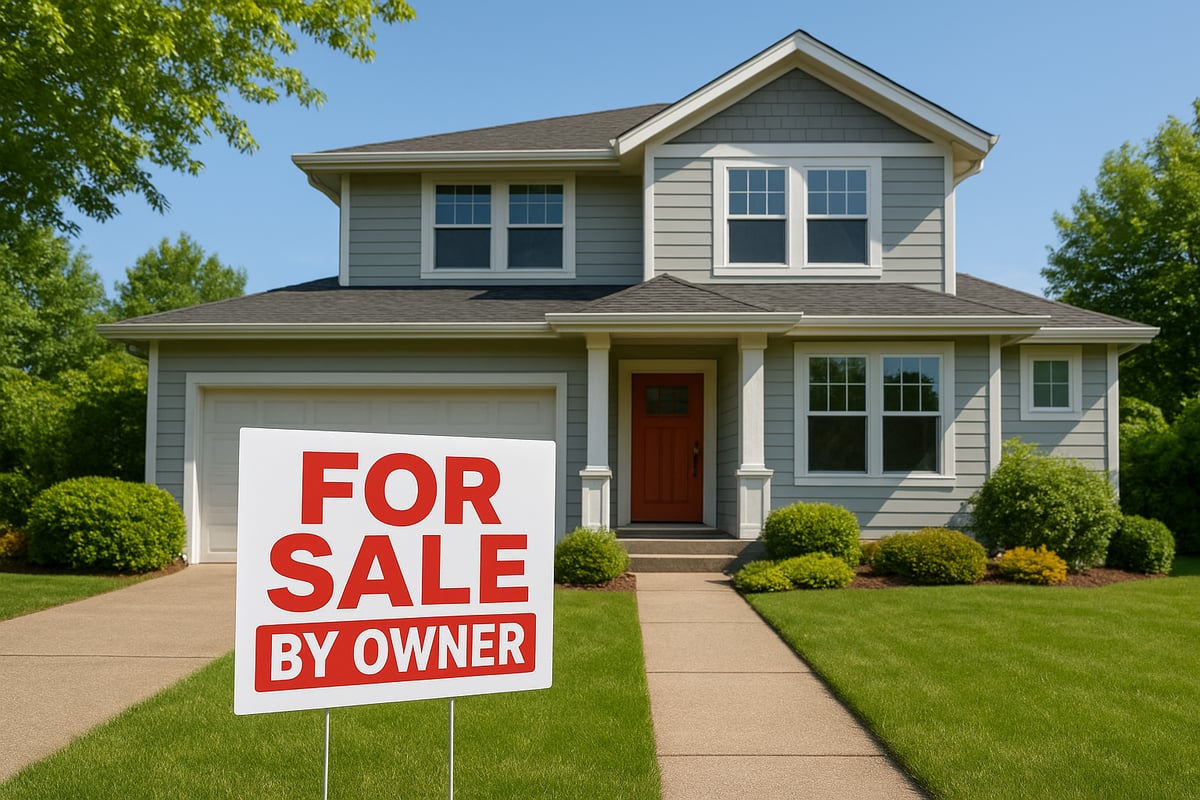
The 2026 real estate market is a dynamic space, influenced by shifting economic factors and rapid innovation. Nationally, experts predict moderate growth in home values, with median prices expected to rise slightly compared to previous years. According to 2026 housing market projections, the median home price may reach new highs, while the average days on market hovers around 35, indicating a healthy balance between supply and demand.
Interest rates remain a key driver, with modest increases affecting affordability for many buyers. Inflation has stabilized, but employment rates continue to impact regional market activity. In some areas, robust job growth is fueling demand, while others see more cautious buyer behavior.
| Region | Median Price | Avg. Days on Market | Projected Sales Volume |
|---|---|---|---|
| Urban | $420,000 | 30 | High |
| Suburban | $350,000 | 35 | Moderate |
| Rural | $275,000 | 45 | Steady |
Technology is revolutionizing the process of selling own home. Digital platforms now offer AI-driven property valuations, making pricing more accurate and transparent. Virtual tours and 3D walkthroughs are standard, appealing to tech-savvy buyers who value convenience and immersive experiences.
Buyer demographics are also shifting. In 2026, millennials and Gen Z buyers make up a growing share of the market, often seeking move-in-ready homes and digital-first experiences. Regional differences are pronounced, with urban areas seeing competitive bidding, while rural markets move at a steadier pace.
Pros and Cons of Selling Your Own Home
Choosing the path of selling own home comes with both exciting opportunities and unique challenges. One of the biggest advantages is cost savings. By avoiding agent commissions, sellers can potentially keep thousands more from the final sale price. This sense of control over the process is empowering, allowing homeowners to set their schedules, negotiate directly, and make decisions that fit their needs.
However, the journey isn’t without its hurdles. Legal compliance, paperwork, and negotiation can be overwhelming. The emotional investment of selling your own home can add stress, especially when unexpected issues arise. Time commitment is another factor, as marketing, showings, and follow-up require consistent effort.
Let’s break down the pros and cons:
Pros:
- Save on agent commissions
- Full control over pricing and negotiations
- Flexibility in scheduling showings
Cons:
- Navigating legal requirements alone
- Potential for costly mistakes or overlooked details
- Increased emotional and time investment
Recent statistics show FSBO success rates are improving, but still trail behind agent-assisted sales in some markets. Many sellers find success with careful preparation, while others face challenges like undervaluing their property or missing legal steps. Real-world stories highlight both the satisfaction of a smooth sale and the lessons learned from unexpected obstacles.
Understanding these realities ensures you’re prepared for the road ahead, making selling own home in 2026 a rewarding experience—when approached with the right mindset and resources.
Preparing Your Home for Sale
Getting your house ready is one of the most important steps when selling own home. Buyers in 2026 are more discerning than ever, so thoughtful preparations can make all the difference. Let’s walk through the essential steps together to ensure your property stands out and attracts the right buyers.
Assessing and Enhancing Curb Appeal
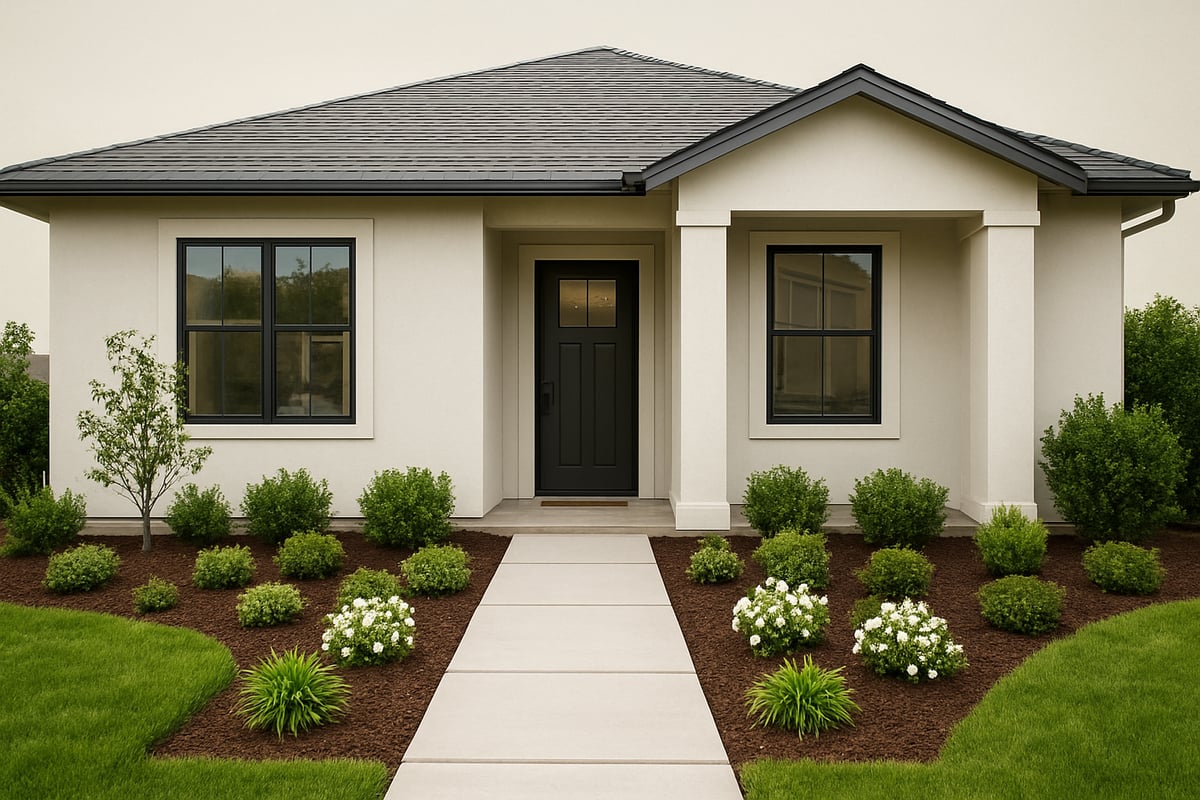
First impressions matter, especially when selling own home. In 2026, online listings and drive-by viewings make curb appeal more vital than ever. A tidy exterior signals that the home has been cared for, encouraging buyers to schedule a showing.
Start by evaluating your landscaping. Trim bushes, mow the lawn, and add fresh mulch or potted plants for color. Repair any visible damage to siding, gutters, and the front door. Consider a fresh coat of paint in a modern, neutral color to brighten your entryway. Power washing sidewalks and driveways can also give your home a like-new appearance.
Studies suggest that investing in curb appeal improvements can yield a return of up to 150 percent. For more actionable tips, check out Preparing to Sell Your Home. These small touches can set your listing apart from others when selling own home.
Decluttering, Cleaning, and Staging
The next step in selling own home is making the interior shine. Buyers want to imagine themselves living in your space, so decluttering is key. Go room by room and remove excess furniture, personal photos, and knick-knacks.
Create a checklist:
- Clear countertops and surfaces
- Organize closets and storage areas
- Box up seasonal items and extra décor
Deep cleaning is essential. Pay extra attention to kitchens and bathrooms, and consider professional carpet cleaning if needed. Staging—either in person or virtually—helps buyers see each room’s potential. In 2026, virtual staging tools are more affordable and realistic than ever, making them a smart option for digital-first buyers.
Remember, a fresh, clean home feels inviting and can speed up the selling own home process.
Pre-Sale Home Inspections and Repairs
When selling own home, a pre-listing inspection can be a game-changer. This proactive step uncovers any hidden issues before buyers do. Addressing repairs in advance can prevent last-minute surprises that might delay the sale.
Common concerns include:
- Roof and gutter repairs
- Plumbing leaks or outdated fixtures
- Electrical upgrades
- HVAC servicing
Budgeting for these fixes is wise. Minor repairs often cost less than buyers anticipate and can boost your asking price. By handling these items upfront, you build trust with potential buyers and create a smoother transaction for selling own home.
Gathering Essential Documents
Having your paperwork in order is another crucial part of selling own home. Start by gathering your title, deed, mortgage payoff information, and any recent tax assessments. You’ll also need to prepare disclosure forms, which outline any known issues with the property.
Keep both digital and hard copies organized in a folder so you can quickly respond to buyer requests. In 2026, legal compliance is stricter and digital signatures are standard, so double-check that your documents are up to date. Staying organized will help you avoid delays and show buyers you are a serious, prepared seller.
Following these steps ensures you are fully prepared for selling own home, putting you in the best position for a successful and stress-free sale.
Setting the Right Price: Strategies and Tools
Pricing is one of the most critical steps when selling own home. The right price attracts buyers, maximizes your profit, and helps your property stand out in a competitive 2026 real estate market. Let’s break down the tools, strategies, and common pitfalls so you can set a winning price with confidence.
Understanding Home Valuation Methods
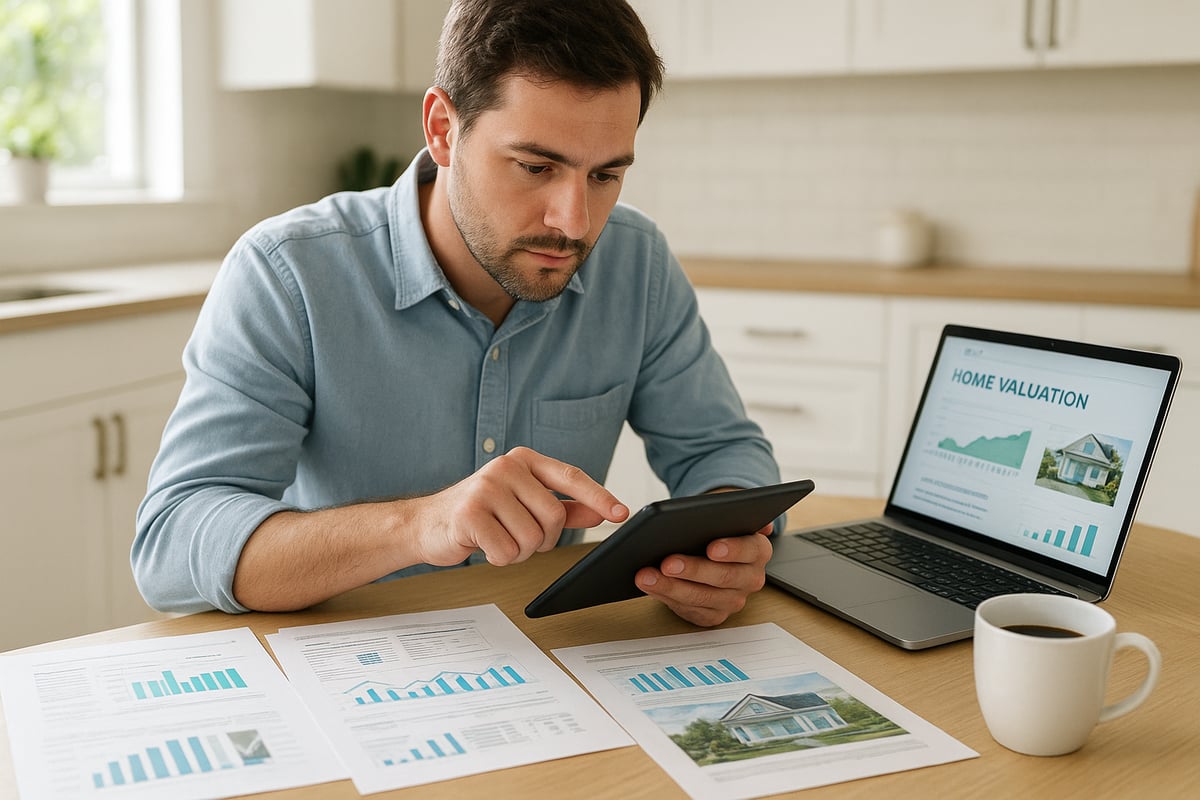
Before you list, it’s essential to know what your home is truly worth. Three main valuation methods can help you get a clear picture:
Comparative Market Analysis (CMA): This involves researching recent sales of similar homes in your area. Look at size, age, location, and condition. You can often find this data through local property records or online real estate platforms. Doing your own CMA gives you a strong starting point for selling own home.
Online Valuation Tools: In 2026, technology offers more advanced online estimators than ever. These tools use recent sales, neighborhood trends, and property details to estimate value. However, remember that while convenient, they may not always account for unique features or upgrades.
AI and Big Data: Modern AI-powered platforms analyze millions of data points, offering more accurate predictions than traditional tools. They consider market momentum, buyer demand, and even seasonal trends. Relying on these innovations can give you a competitive edge when selling own home.
Take time to compare results from each method. Combining them leads to a more reliable price range you can trust.
Pricing Strategies for Maximum Appeal
Your pricing approach can make or break your sale. Let’s explore how to capture attention and motivate buyers:
Psychology of Pricing: People are drawn to prices just below round numbers, like $299,900 instead of $300,000. This strategy makes your home appear more affordable and can boost interest when selling own home.
Adjusting for Market Conditions: In a seller’s market, you might price slightly above recent sales. In a buyer’s market, staying competitive is key. Monitor current listings and sales data to see how homes like yours are performing.
Real-World Examples: Overpriced homes often linger on the market, while competitively priced properties sell faster and closer to list price. Staying informed about emerging real estate trends 2026 can help you respond to shifts in buyer demand and set a price that stands out.
Remember, pricing is both an art and a science. Adjust as needed, but always base your decisions on data.
Avoiding Common Pricing Mistakes
Many homeowners stumble when selling own home by letting emotions or guesswork guide their pricing. Here’s how to steer clear of the most frequent pitfalls:
| Mistake | Impact on Sale | How to Avoid |
|---|---|---|
| Emotional Pricing | Fewer showings, longer market time | Use objective data, not memories |
| Overpricing | Home sits unsold, price cuts needed | Compare with similar recent sales |
| Frequent Price Reductions | Buyers may sense desperation | Set realistic price from the start |
| Ignoring Market Shifts | Missed opportunities, lower offers | Monitor trends, adjust as needed |
Statistics show that homes priced correctly from the beginning are more likely to sell at or above list price. On the other hand, repeated price drops can make buyers wonder if something is wrong with the property.
By staying realistic, informed, and flexible, you’ll maximize your chances of a smooth and profitable experience when selling own home.
Marketing Your Home Effectively in 2026
Making your property stand out is essential when selling own home in today’s competitive market. Buyers in 2026 are tech-savvy, visual, and expect a seamless experience from listing to tour. Let’s explore the most effective marketing strategies for FSBO sellers this year.

Creating High-Impact Listings
First impressions matter more than ever when selling own home. Start by crafting an engaging listing description that highlights key features, recent upgrades, and what makes your property unique. Use clear, concise language and include keywords that buyers are searching for.
Professional photography is a must. High-resolution images showcase your home’s best angles and natural light. Consider a short video tour, which offers buyers a better sense of layout and space. In 2026, 3D virtual tours and drone footage are increasingly popular, providing a realistic walk-through experience from anywhere.
Before publishing, double-check your listing for accuracy and completeness. A polished, detailed listing attracts more qualified buyers and helps your home stand out online.
Leveraging Online Listing Platforms
Online visibility is crucial for selling own home in 2026. Start with top FSBO and mainstream real estate websites—buyers often begin their search online. Optimize your listing by using strong headlines, descriptive tags, and high-quality images to increase search visibility.
Social media is a powerful tool. Post on Facebook, Instagram, and TikTok to reach different audiences. Short, engaging videos or live walk-throughs can generate buzz and encourage sharing.
Embrace technology—virtual tours and AI-driven pricing tools help buyers feel confident about your property. For more on how tech is transforming FSBO marketing, explore this digital transformation in real estate guide.
Hosting Open Houses and Virtual Tours
Open houses remain a valuable tactic for selling own home, even in 2026. Schedule your event during peak times, and promote it on social media and local community boards. Prepare printed materials and offer light refreshments to create a welcoming atmosphere.
Virtual open houses and live-streamed tours are now standard. Use a stable internet connection and a quality camera to walk viewers through each room, answering questions in real time. This approach attracts busy or remote buyers who might not attend in person.
Safety is important. Maintain a visitor log, secure valuables, and follow health guidelines for in-person events. Combining traditional and digital open house methods maximizes your reach and buyer engagement.
Utilizing Print and Local Marketing
While digital marketing dominates, print and local outreach still play a key role when selling own home. Eye-catching yard signs and flyers placed in high-traffic areas draw neighborhood attention. Well-designed print materials should include professional photos, a brief property summary, and your contact information.
Partner with local businesses, neighborhood groups, and community boards to spread the word. Hosting a “neighbors-only” preview can create buzz and generate word-of-mouth referrals.
A successful local campaign might include a feature in a community newsletter or a partnership with a popular coffee shop. Blending print, digital, and personal connections ensures your property gets noticed by a wide range of buyers.
Navigating Offers, Negotiations, and Legalities
Selling own home can be both thrilling and nerve-wracking. As offers start rolling in, it's important to stay organized, informed, and ready for each step. The process may seem complex at first, but with the right approach, you can confidently move from receiving an offer to a successful closing.
Reviewing and Responding to Offers
When selling own home, the first step is carefully reviewing each purchase offer. Look beyond just the price. Consider contingencies, financing type, closing timeline, and earnest money deposit. These factors can impact both your peace of mind and your bottom line.
- Offer price: Is it competitive for your market?
- Contingencies: Does the buyer need to sell another home first?
- Financing: Cash or pre-approved loan?
- Closing date: Does it fit your moving plans?
- Earnest money: Is the deposit amount reasonable?
If you receive multiple offers, weigh the pros and cons of each. Counteroffers are common, so don't be afraid to negotiate terms that work best for you. For more tips on what to do after an offer comes in, visit Time to Sell Your Home: What to Do Next.
Mastering Negotiation Tactics
Negotiation is a key part of selling own home. Start by staying calm and focusing on your goals. Be prepared to discuss inspection requests, repair credits, and even closing costs.
Negotiation principles:
- Keep communication open and positive.
- Know your minimum acceptable price.
- Respond promptly to buyer concerns.
- Stay flexible, but protect your interests.
For example, if a buyer requests repairs after inspection, consider offering a credit rather than handling repairs yourself. This can speed up the process and keep negotiations on track. Remember, every negotiation is unique, but preparation helps you stay confident.
Legal Requirements and Documentation
Legal compliance is essential when selling own home. Every state has specific disclosure requirements, so research what applies to your property in 2026. Common documents include:
- Seller disclosures (lead paint, property condition)
- Purchase agreement
- Title and deed
- Mortgage payoff statement
Make sure you understand all terms before signing. If you're unsure, consult a real estate attorney. Keeping digital and paper copies of all documents can help you avoid last-minute surprises. Recent data shows that missing disclosures are a leading cause of FSBO sales falling through.
Working with Real Estate Attorneys and Escrow Services
Even when selling own home without an agent, you may want to hire a real estate attorney for peace of mind. Attorneys can review contracts, handle negotiations, and ensure your closing runs smoothly.
Escrow services act as neutral third parties, holding funds and important documents until all conditions are met. This protects both you and the buyer from potential fraud or misunderstandings.
When choosing an escrow company, ask about fees, timelines, and communication practices. Taking these steps helps you avoid common legal pitfalls and keeps your transaction on track.
Handling Appraisals and Inspections
Buyers typically order an appraisal and home inspection after an offer is accepted. Be prepared for potential issues, such as a low appraisal or unexpected repair needs.
Below is a comparison of appraisal issue frequency:
| Sale Type | Appraisal Issues (%) |
|---|---|
| FSBO | 18 |
| Agent-Assisted | 11 |
If the appraisal comes in low, be ready to negotiate with the buyer or adjust your price. Address inspection findings quickly to keep the sale moving. According to recent FSBO sales hit record low data, challenges with appraisals and inspections are more common for those selling own home, so staying proactive is key.
Closing the Sale: Final Steps to Success
Wrapping up the journey of selling own home is both exciting and nerve-wracking. With closing day on the horizon, it is essential to stay organized and proactive. Let us walk through each step together, so you can move forward with confidence and peace of mind.
Preparing for Closing Day
The countdown to closing day can feel overwhelming, but having a clear timeline helps everything run smoothly. Start by confirming the closing date, time, and location with your escrow or title company. Double-check all paperwork and ensure you have signed documents ready.
Schedule the final walkthrough with your buyer. This is their last chance to confirm that the home’s condition matches the contract. Address any last-minute issues quickly, such as minor repairs or cleaning requests.
Coordinate with your mortgage lender and the title company to confirm all funds are in place. Staying on top of these details ensures that selling own home ends on a high note.
Understanding Closing Costs and Net Proceeds
Before the big day, review your estimated closing statement. This document details all seller costs and what you will receive after the sale. Typical closing costs include title insurance, escrow fees, transfer taxes, and outstanding mortgage balances.
Here’s a quick summary table:
| Closing Cost Item | Typical Range |
|---|---|
| Title Insurance | $500–$1,500 |
| Escrow/Settlement Fees | $500–$2,000 |
| Transfer Taxes | Varies by location |
| Loan Payoff | Remaining balance |
Subtract these costs from your sale price to estimate your net proceeds. Remember, selling own home may also have tax implications, so check with a financial advisor to maximize your returns.
Transferring Ownership and Moving Out
Transferring ownership is more than just handing over keys. On closing day, sign the deed and confirm that funds have transferred. Prepare a move-out checklist: disconnect utilities, forward mail, and leave the house in good condition for the new owners.
Packing and moving can be stressful, but planning ahead makes it easier. For practical advice, check out these Tips for Moving Out of Your Sold Home to streamline your transition.
By focusing on these details, you ensure that selling own home is a positive experience for both you and your buyers.
Post-Sale Responsibilities and Record-Keeping
After closing, keep copies of all signed documents, including the settlement statement, deed, and any warranties or receipts for repairs. These records are important for taxes and resolving any future questions.
If you agreed to post-closing repairs or other obligations, follow through promptly. Staying organized and communicative is key to finishing the process of selling own home on good terms.
Common Pitfalls to Avoid in the Closing Process
Even the best-prepared sellers can face last-minute surprises. Common issues include buyer financing falling through, missing documentation, or unresolved inspection repairs.
To avoid pitfalls:
- Confirm buyer financing is secure before closing.
- Review all documents for accuracy.
- Respond quickly to any closing agent requests.
Learning from these challenges ensures that selling own home concludes without unnecessary stress, letting you celebrate your success.
You’ve just learned the ins and outs of selling your own home in 2026, from prepping for the market to navigating negotiations and closing with confidence. But even the most prepared sellers can benefit from a little extra insight—especially when it comes to pricing your home right. If you’re curious about your home’s true value in today’s evolving market, I encourage you to take the next step with a free, personalized estimate. You deserve to feel empowered and supported every step of the way—let’s make sure you get the best possible outcome together.
Get Your Home Value