
Buying a home is one of the most significant financial decisions you'll ever make, and knowing how to negotiate a home price can save you thousands of dollars while helping you secure your dream property. Whether you're purchasing your first home in Wichita, looking at investment properties in Derby, or exploring acreage in the Augusta area, effective negotiation skills are essential. The good news? You don't need to be a seasoned dealmaker to negotiate successfully. With the right preparation, market knowledge, and strategic approach, you can confidently navigate the negotiation process and achieve a favorable outcome.
Understanding the South Central Kansas Market Before You Negotiate
Before you even consider making an offer, you need to understand the local real estate landscape. Market conditions in South Central Kansas communities like Andover, Bel Aire, and Rose Hill can vary significantly from national trends, and what works in a hot seller's market won't necessarily succeed in a buyer's market.
Current Market Dynamics Matter
The balance between supply and demand directly impacts your negotiating power. In a seller's market where inventory is low and competition is fierce, you'll have less room to negotiate. Conversely, when homes sit on the market longer and inventory is abundant, buyers gain leverage.
Key market indicators to monitor:
- Average days on market for comparable properties
- List-to-sale price ratios in your target neighborhoods
- Number of active listings versus pending sales
- Recent sale prices for similar homes
- Local economic trends and employment rates
Understanding these factors helps you determine a fair offer and sets realistic expectations for the negotiation process.
Research the Property's History
One of the most powerful tools when learning how to negotiate a home price is information about the property itself. A home's listing history can reveal valuable insights about the seller's motivation and flexibility.
Check how long the property has been on the market. Homes that have been listed for several months often indicate a motivated seller who may be more willing to negotiate. Additionally, scrutinizing a home’s listing history can reveal whether the price has been reduced, suggesting flexibility on the seller's part.

| Listing Scenario | Seller Motivation | Your Negotiating Power |
|---|---|---|
| Listed under 30 days | Lower | Limited flexibility |
| Listed 60-90 days | Moderate | Room for reasonable offers |
| Listed over 120 days | Higher | Stronger negotiating position |
| Multiple price reductions | Very High | Significant leverage |
Preparing Your Negotiation Strategy
Success in home price negotiation starts long before you submit an offer. Preparation is everything, and buyers who invest time upfront typically achieve better results.
Get Pre-Approved for Your Mortgage
Nothing strengthens your negotiating position like a solid mortgage pre-approval. Sellers take pre-approved buyers seriously because they know the financing is likely to go through. This isn't just a nice-to-have; in competitive markets, it's often the difference between having your offer considered and being passed over entirely.
Working with reputable lenders in the South Central Kansas area gives you credibility and shows sellers you're a serious buyer who can close the deal. Pre-approval also clarifies your budget, preventing you from falling in love with a home you can't afford.
Determine Your Maximum Price
Before entering negotiations, establish your walk-away number. This is the absolute highest price you're willing to pay, considering not just the purchase price but also anticipated repairs, closing costs, and moving expenses.
Your budget should account for:
- Monthly mortgage payments including principal, interest, taxes, and insurance
- Immediate repairs or updates needed
- Closing costs (typically 2-5% of purchase price)
- Moving expenses and utility setup
- Emergency fund for unexpected issues
Having this number clear in your mind prevents emotional decision-making during negotiations. When you know your limit, you can negotiate confidently without overextending yourself financially.
Crafting Your Initial Offer
The opening offer sets the tone for the entire negotiation. Too low, and you risk offending the seller or not being taken seriously. Too high, and you leave money on the table. Finding the right balance requires both art and science.
Consider Market Conditions and Property Value
Your initial offer should reflect current market realities and the property's true value. In most balanced markets, offers typically range from 5-10% below asking price, but this varies significantly based on local conditions.
For properties in Goddard or other growing South Central Kansas communities, research comparable sales (comps) from the past three to six months. Look for homes with similar square footage, lot size, age, condition, and location. These comps provide the foundation for your offer strategy.
When understanding the market, pay attention to how quickly comparable homes sold and whether they went for above or below asking price. This reveals whether you're in a competitive environment or one where buyers have more control.
Include Strategic Terms Beyond Price
Learning how to negotiate a home price effectively means recognizing that everything is negotiable, not just the dollar amount. Sometimes sellers care more about other terms than they do about getting every last dollar.
- Closing timeline: Flexibility on closing dates can be valuable to sellers with specific move-out needs
- Contingencies: Fewer contingencies make your offer more attractive
- Earnest money: A larger deposit demonstrates commitment
- Seller concessions: Requesting help with closing costs or repairs
- Personal property: Including or excluding items like appliances or fixtures
Asking questions about the seller’s position helps you identify what matters most to them beyond price, giving you additional leverage points.
Leveraging the Home Inspection
The inspection period represents one of your best opportunities to renegotiate price or terms. This is when hidden issues come to light, providing legitimate reasons to revisit the original agreement.
Getting the Inspection Done Quickly
Time is of the essence with inspections. Getting an inspection ASAP after going under contract preserves your negotiating window and demonstrates professionalism.
A thorough inspection typically covers:
- Structural integrity and foundation
- Roofing condition and remaining lifespan
- HVAC systems and age
- Plumbing and electrical systems
- Water damage or moisture issues
- Pest infestations
In South Central Kansas, pay special attention to basement moisture issues, tornado damage history, and HVAC efficiency given our extreme temperature swings.

Using Inspection Results Strategically
Not every inspection item warrants renegotiation. Focus on significant issues that affect safety, habitability, or represent major expenses. Minor cosmetic issues or normal wear-and-tear typically won't justify price reductions.
Prioritize inspection findings:
- Safety hazards: Electrical issues, structural problems, radon
- Major system failures: Roof, HVAC, foundation, plumbing
- Costly repairs: Items requiring immediate attention
- Code violations: Issues that must be addressed legally
When requesting repairs or price reductions based on inspection findings, provide contractor estimates to support your numbers. This transforms your request from subjective to objective, making it harder for sellers to dismiss.
Navigating Counteroffers and Multiple Rounds
Rarely does a negotiation end with the first offer. Most home purchases involve at least one counteroffer, and sometimes several rounds before reaching agreement.
Responding to the Seller's Counteroffer
When you receive a counteroffer, resist the urge to respond immediately. Take time to evaluate it carefully, considering both the price and all other terms. Preparing for concessions and knowing what you're willing to give up helps you respond strategically.
Look at the counteroffer holistically:
- How much did they move from their original position?
- What terms did they change or hold firm on?
- Is there room for a middle ground?
- Which issues are deal-breakers for you?
Setting Deadlines and Creating Urgency
Including an expiry date on your offers and counteroffers creates healthy pressure for decision-making. Without deadlines, negotiations can drag on indefinitely, creating frustration and potentially losing out on other opportunities.
However, be reasonable with your timelines. Giving sellers 24-48 hours to respond is standard, while asking for a decision in a few hours may come across as aggressive unless there are competing offers.
| Negotiation Stage | Typical Response Time | Purpose |
|---|---|---|
| Initial Offer | 24-48 hours | Allow seller time to consult with agent |
| First Counteroffer | 24 hours | Maintain momentum |
| Subsequent Rounds | 12-24 hours | Signal seriousness and urgency |
| Final "Best and Highest" | 6-12 hours | Create decision point |
Advanced Negotiation Tactics
Once you've mastered the basics of how to negotiate a home price, consider these advanced strategies that can give you an edge in competitive situations.
Making a Cash Offer (When Possible)
If you have the resources, making a cash offer significantly strengthens your position. Cash offers eliminate financing contingencies, reduce closing timelines, and provide certainty to sellers.
Even if you plan to get a mortgage eventually, you might structure a cash offer with a delayed closing to arrange financing after acceptance, though this requires substantial reserves.
Negotiating Seller-Paid Closing Costs
When the seller won't budge on price, shift focus to closing costs. Sellers can contribute toward your closing costs, effectively reducing your out-of-pocket expenses without lowering the sale price. This strategy can be particularly effective when sellers need to maintain a certain price point for their own mortgage payoff or next purchase.
Typical closing costs for buyers range from 2-5% of the purchase price, so even partial seller assistance provides significant savings.
Using the Appraisal as Leverage
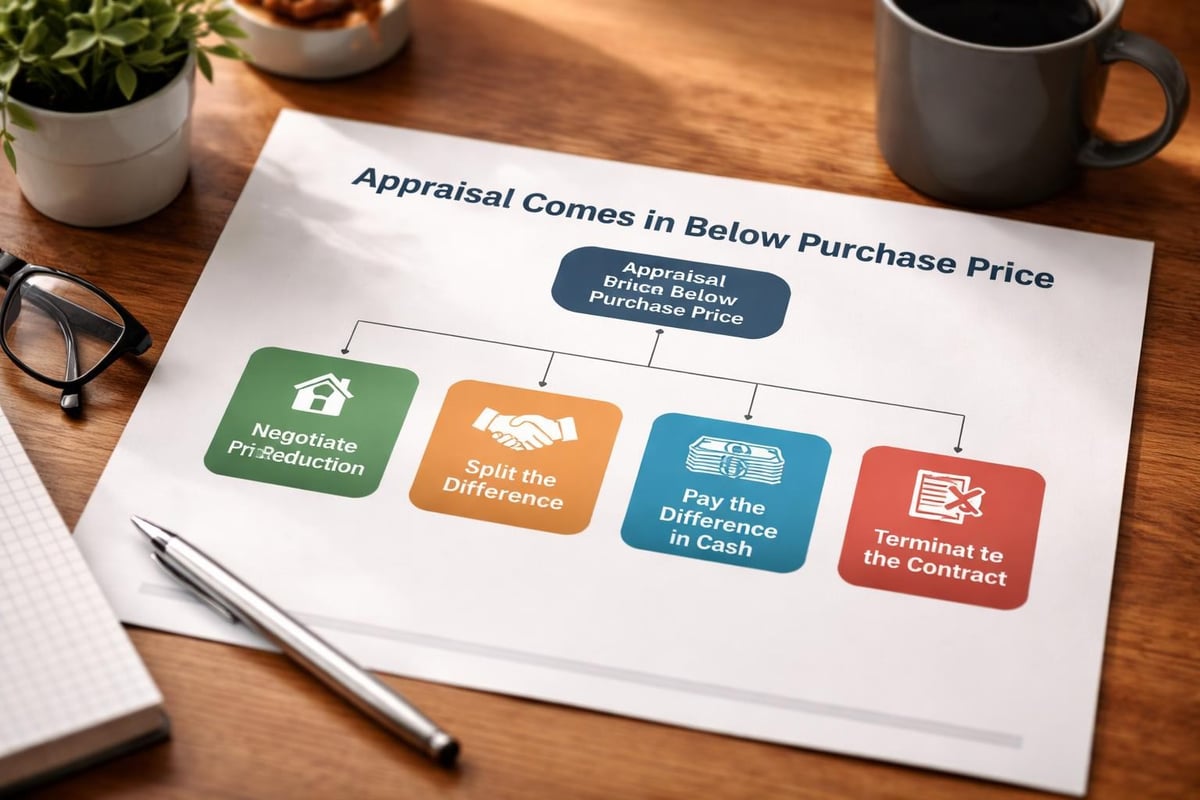
The appraisal provides an objective third-party opinion of the home's value. If the appraisal comes in lower than your agreed purchase price, you've gained powerful negotiation leverage.
You have several options when facing a low appraisal:
- Request the seller reduce the price to the appraised value
- Meet somewhere in the middle
- Challenge the appraisal if you believe it's inaccurate
- Pay the difference in cash (if able and willing)
- Walk away using your appraisal contingency
Most sellers will negotiate when faced with a low appraisal because finding another buyer will likely result in the same issue.
Working with a Local Real Estate Professional
While understanding how to negotiate a home price is valuable, having an experienced professional in your corner makes all the difference. A skilled Realtor brings market expertise, negotiation experience, and objective advice to the process.
The Value of Local Market Knowledge
South Central Kansas has unique market characteristics that national trends don't capture. A Realtor with deep roots in communities like Wichita, Augusta, and Derby understands neighborhood-specific factors that impact value and negotiation strategy.
Local professionals know:
- Which neighborhoods are appreciating fastest
- School district boundaries and quality differences
- Upcoming development or infrastructure projects
- Seasonal market patterns specific to Kansas
- Local builder reputations and construction quality
This insider knowledge helps you make informed offers and avoid overpaying, even in competitive situations.
Professional Negotiation Skills
Experienced Realtors negotiate dozens of transactions annually, developing skills and techniques that take years to master. They understand the psychology of negotiation, know when to push harder and when to hold back, and can read signals that inexperienced buyers might miss.
Your agent also provides emotional distance from the transaction. When you've fallen in love with a property, it's hard to walk away or negotiate aggressively. Your Realtor maintains objectivity, ensuring you don't let emotions override financial prudence.
Special Considerations for Different Property Types
The strategies for how to negotiate a home price vary depending on the type of property you're purchasing. What works for a suburban single-family home may not apply to land purchases or investment properties.
Negotiating Investment Properties
Investment property negotiations focus heavily on numbers rather than emotions. Calculate your expected return on investment, factor in renovation costs, and determine your maximum price based on potential rental income or resale value.
Investors often have more flexibility to close quickly and fewer contingencies, which can be leveraged for price reductions. Emphasize your ability to move fast and your experience (if applicable) to position yourself as a low-risk buyer.
Land and Acreage Transactions
Buying land in South Central Kansas involves unique considerations. Survey requirements, soil tests, water rights, access easements, and zoning all impact value and negotiability.
Land negotiations often move slower than residential transactions, and sellers may be less motivated since they don't have the pressure of mortgage payments or relocation deadlines. Research comparable land sales carefully, as valuation can be more subjective than improved properties.
Key factors for land negotiations:
- Utilities availability (water, electric, gas, sewer/septic)
- Access and road frontage
- Topography and usability
- Mineral rights
- Agricultural productivity (if applicable)
New Construction Negotiations
Builders operate differently than individual sellers. While base prices may seem firm, builders often have flexibility on upgrades, closing costs, or incentives like rate buydowns or HOA fees.
The best time to negotiate with builders is at the end of their fiscal quarter or year when they're motivated to hit sales targets, or for spec homes that have been sitting completed for a while.
Timing Your Negotiation
When you make your offer can be just as important as what you offer. Strategic timing improves your chances of success.
Seasonal Considerations
The South Central Kansas real estate market follows seasonal patterns. Spring and early summer typically see the most activity, with increased competition driving prices up. Late fall and winter often favor buyers, as fewer people house-hunt during holidays and cold weather.
Sellers listing during slower seasons are often more motivated, whether due to job relocations, financial pressure, or simply wanting to close before year-end. Use this to your advantage when timing your purchase.
Day of the Week and Time of Day
While it might seem minor, even the day and time you submit an offer can matter. Offers submitted Sunday evening or Monday morning arrive when sellers are fresh and ready to focus. Friday afternoon offers may get delayed responses as people head into the weekend.
For properties with open houses scheduled, submitting your offer the day after can capitalize on the seller's excitement if turnout was low, or create urgency if there was strong interest.
Common Negotiation Mistakes to Avoid
Even experienced buyers make errors that cost them money or deals. Avoid these common pitfalls when learning how to negotiate a home price.
Getting Too Emotional
It's easy to fall in love with a property and lose perspective. Emotional attachment clouds judgment and leads to overpaying or accepting unfavorable terms. Remember that houses are commodities, and there will always be other opportunities.
If you find yourself getting too attached, take a step back. Visit other properties, review your budget, and remind yourself of your walk-away number.
Making Lowball Offers
While you want to negotiate effectively, insulting offers can backfire. Extremely low offers (20-30% below asking) typically offend sellers and may result in them refusing to work with you at all, even if you come back with a reasonable number.
Base your offers on market data and property conditions, not arbitrary percentages. A well-justified offer that's 10% below asking will be received better than an unexplained 25% reduction.
Neglecting the Relationship
Real estate negotiations work best when both parties feel respected. Treat sellers and their agents professionally, even when discussions get tense. Maintaining a positive relationship makes sellers more willing to work with you and more flexible on terms.
Simple courtesy goes a long way. Accommodate showing requests when possible, communicate clearly and promptly, and express appreciation for their time and cooperation.
Ignoring Professional Advice
You hired a real estate professional for their expertise, so listen to their guidance. While you make the final decisions, dismissing your agent's advice based on emotions or incomplete information often leads to regret.
If you disagree with your agent's recommendation, have an open conversation about your reasoning. A good agent will explain their perspective and work to find a solution that addresses your concerns while protecting your interests.
Mastering how to negotiate a home price takes practice, preparation, and local market knowledge, but the financial rewards make it well worth the effort. Whether you're buying your first home in Augusta, searching for investment opportunities in Wichita, or exploring acreage throughout South Central Kansas, these strategies will help you secure the best possible deal. If you're ready to put these negotiation tactics to work with an experienced professional by your side, B Realty, LLC brings over a decade of local expertise and a commitment to achieving the best outcomes for every client. Let's work together to find and negotiate your perfect property.