
Picture yourself walking into a space that feels truly yours—every detail thoughtfully designed to fit your life. The search for the right home is more than just a transaction, it’s a journey toward a lifestyle that feels just right.
In this guide, we’ll help you discover what “home for you” means in 2026. Together, we’ll define your vision, assess your needs, and explore new trends and expert strategies.
You’ll learn how to navigate the changing market, use smart technology, and make confident choices. Let’s take this step-by-step journey and find the perfect place to call your own.
Defining “Home for You” in 2026
Picture your ideal living space. Is it filled with laughter, sunlight, and a sense of peace? Or is it a haven that supports your work, wellness, and connections? In 2026, the journey to discovering the home for you begins with understanding what truly matters to you and your loved ones. Let’s explore how “home” is evolving and how you can define your unique vision.
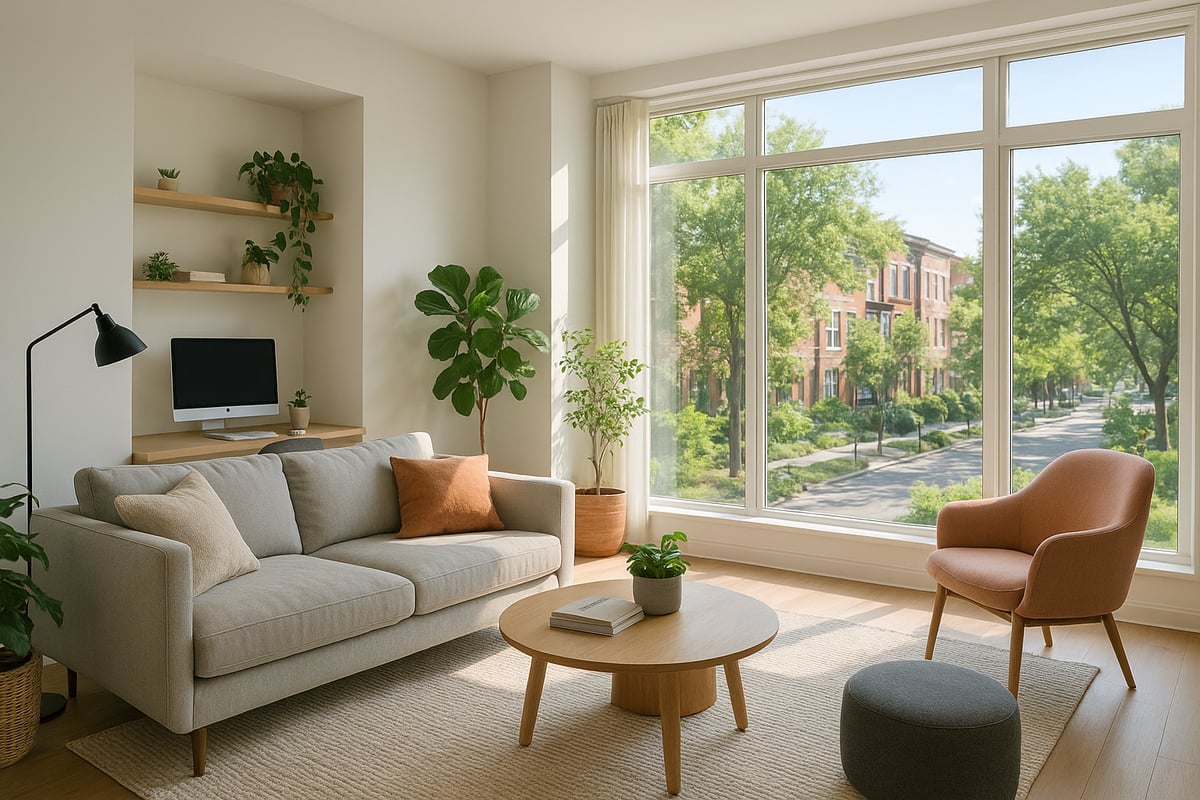
The Evolving Meaning of Home
The meaning of home for you has grown far beyond four walls and a roof. Today, your home is a reflection of your identity, a sanctuary for your wellbeing, and a launchpad for your dreams. In recent years, what people value in a home has shifted dramatically. Flexible spaces, wellness features, and areas designed for remote work have taken center stage.
Societal changes like remote work, multi-generational living, and a focus on sustainability are shaping new expectations. More buyers are searching for dedicated home offices, outdoor living spaces, and energy-efficient designs. According to a 2024 NAR survey, over 60% of buyers now prioritize flexible layouts and tech integration.
Community, location, and connectivity are also crucial when searching for the home for you. Some want to be near vibrant city centers, while others seek quieter, connected suburbs. Generational and cultural backgrounds influence these choices too. Millennials might value smart features and walkable neighborhoods, while retirees may prefer peaceful, close-knit communities.
Defining your vision for the home for you is the foundation of a successful search. Consider features like indoor air quality, natural light, and healthy building materials—these are increasingly important for modern buyers. For more insights on creating a healthy and future-ready space, check out tips for buying a healthy home.
In 2026, your concept of home will continue to evolve. Stay open to new trends and possibilities as you shape your next chapter.
Self-Assessment: What Matters Most to You?
Before you begin your search, pause and ask: what does home for you mean at this stage of life? Start by identifying your core values. Is comfort your top priority? Do you crave convenience, or is making a wise investment most important? Maybe your lifestyle demands a blend of all three.
To clarify your goals, create two lists: a “home wish list” and a “must-have checklist.” For example, families might prioritize top-rated school districts, while singles may want urban amenities. Retirees could focus on quiet neighborhoods and community activities. Here’s a sample table to help you organize:
| Wish List | Must-Haves |
|---|---|
| Spacious kitchen | Two bedrooms |
| Home gym | Safe neighborhood |
| Garden or outdoor space | Affordability |
| Smart home features | Good internet connectivity |
Balancing emotional desires with practical needs is key. Sometimes, the home for you is about compromise—choosing what will fit your budget and lifestyle, not just your dreams. Digital planners, vision boards, and worksheets can help you visualize and prioritize.
Remember, your definition of the home for you may shift over time. Life changes, family grows, or work evolves. Embrace flexibility and revisit your lists as your needs change. By being honest with yourself, you’ll be ready to find a space that truly feels like home.
Step-by-Step: Preparing for Your Home Search
Embarking on the search for the perfect home for you starts long before setting foot in an open house. This stage is all about laying a solid foundation so your journey is smooth, empowering, and truly focused on your dreams. Let's break down the essential steps to get you ready for success.

Financial Readiness and Budgeting
Getting financially prepared is the first major step toward finding the home for you. Start by evaluating your savings, checking your credit score, and understanding your debt-to-income ratio. These factors will shape your buying power and help you see what is truly within reach.
Next, use mortgage calculators to estimate what you can afford, factoring in down payment requirements and potential closing costs. For example, the average down payment for first-time buyers in 2024 was 8 percent, but your number may differ based on your unique situation. Securing a pre-approval letter from a lender can give you a real edge in a competitive market, showing sellers you’re serious and ready to move forward.
It's also wise to budget for expenses that come after the sale, such as maintenance, HOA fees, and utilities. Here’s a simple table to help you visualize typical post-purchase costs:
| Expense Type | Estimated Monthly Cost |
|---|---|
| Maintenance | $100 – $300 |
| HOA Fees | $50 – $400 |
| Utilities | $150 – $400 |
By clarifying your finances now, you’ll avoid surprises and make decisions that align with the home for you, not just what looks appealing on paper. If you want a more detailed breakdown, the 8 steps for first-time home buyers guide offers additional resources to help you prepare.
Researching Neighborhoods and Lifestyles
The right neighborhood is just as important as the right house in creating the home for you. Start by listing your priorities: Is a short commute essential? Are top-rated schools a must-have? Do you crave walkable amenities or quiet, tree-lined streets?
Use online tools to compare neighborhoods, check school ratings, and review local crime statistics. Many buyers in 2025 turned to digital platforms to research areas before even scheduling tours. Consider these factors when evaluating neighborhoods:
- Commute times to work and school
- Access to parks, shopping, and healthcare
- Current and future development plans
- Community vibe and safety
Visit potential neighborhoods at different times of day to get a true feel for daily life. Imagine how the area will fit your routine and if it supports the lifestyle you envision for the home for you. Trends like walkable communities and the “15-minute city” concept are becoming more popular, so think about how these developments might add value to your daily experience.
Ultimately, matching your goals with the right community ensures the home for you is more than just a structure, but a place where you belong and thrive.
Navigating the 2026 Real Estate Market
Stepping into the 2026 real estate landscape can feel both thrilling and overwhelming. Whether you’re a first-time buyer or a seasoned investor, understanding where the market is headed is key to making the right home for you decisions. Let’s break down what you need to know so you can move forward with clarity and confidence.

Market Trends and Forecasts
The 2026 housing market is shaping up to be dynamic. Buyers are seeing more choices, but competition is still present in many regions. Inventory levels are expected to gradually increase, giving buyers more options to find the home for you that truly fits their needs. However, affordability remains a top concern as median home prices are projected to rise by about 3 percent year-over-year according to Freddie Mac.
Interest rates and inflation will play a big role in shaping your home for you journey. If rates stay steady or drop, more buyers may enter the market, which could drive prices up in popular areas. On the other hand, higher rates may cool demand and create opportunities for those ready to act. Regional differences matter too—some cities will remain hot spots with fast-moving listings, while others may offer more breathing room and negotiation potential.
Buyers in 2026 are increasingly attracted to eco-friendly and energy-efficient new builds. These homes often feature smart technology and sustainable materials, appealing to younger generations focused on long-term value. When comparing new construction to resale, consider this quick summary:
| Feature | New Construction | Resale Home |
|---|---|---|
| Energy Savings | High | Varies |
| Customization | Flexible | Limited |
| Move-in Ready | Yes | Sometimes |
| Neighborhood | Developing | Established |
To dive deeper into the latest projections, check the 2026 Housing Market Forecast for up-to-date insights on pricing, mortgage rates, and inventory trends.
Staying informed about these trends helps you time your move and negotiate with confidence. Remember, the market may shift quickly, so keep your home for you goals front and center as you explore your options.
Leveraging Real Estate Professionals
In a market as fast-paced as 2026, having the right real estate professional on your side is more important than ever. An experienced agent brings market knowledge, negotiation skills, and transaction expertise to your home for you search. They can help you navigate listings, spot red flags, and craft offers that stand out.
Choosing the right Realtor starts with understanding your needs. Look for someone with strong credentials, deep local expertise, and a communication style that matches yours. Don’t hesitate to interview multiple agents—ask about their track record, client testimonials, and how they approach the home for you process.
Here are some smart questions to ask when meeting agents:
- What is your experience in my target neighborhood?
- How do you stay updated on current market trends?
- Can you share recent success stories with buyers like me?
- What’s your approach to negotiation and problem-solving?
A great agent can give you access to off-market listings and provide early alerts about new opportunities. Many buyers in 2026 find that partnering with a trusted advisor not only saves money and stress but also leads to a better match with the home for you vision.
By leveraging professional support, you’ll have a steady guide through every step of your journey. As the market evolves, the right agent will help you adapt and make decisions that bring you closer to the space that truly feels like home.
Harnessing Technology and Tools for a Smarter Search
Finding the perfect home for you in 2026 means embracing technology as your ally. The digital landscape has transformed the way we search, tour, and evaluate homes, making the process more accessible and tailored than ever before.

Digital Platforms and Virtual Experiences
Today, digital platforms are the starting point for nearly every home for you search. Sites like Zillow, Realtor.com, Redfin, and local MLS portals let us browse listings, compare amenities, and even filter for pet-friendly spaces or smart upgrades.
Virtual tours and 3D walkthroughs have become a game-changer. They help you shortlist properties from anywhere, saving precious time. In 2025, over 80% of buyers used at least one virtual tool before stepping into a home. Imagine slipping on a VR headset and strolling through your potential living room without leaving your couch. This technology brings the home for you experience to your fingertips, especially if you're relocating or juggling a busy schedule.
But how do you know what you see online is real? Always cross-check details, review photos critically, and use reputable platforms. Scams exist, so work with a trusted real estate agent for guidance. For more on how technology is shaping the search landscape, check out the NAR 2026 Housing Outlook, which highlights the growing reliance on digital tools among homebuyers.
Remember, while digital exploration is powerful, it's wise to combine virtual tours with in-person visits. This ensures the home for you truly fits your needs and feels right.
Smart Home Features and Future-Proofing
As you search for the right home for you, smart technology is more than a perk, it's a priority. Integrated security systems, smart thermostats, voice assistants, and solar panels are topping buyers' wish lists. In a recent survey, 65% of buyers said they would pay more for homes with smart features.
Energy efficiency is a growing trend, both for comfort and for future savings. Homes with solar panels or upgraded insulation often sell faster and for higher prices. Consider how easy it will be to upgrade a property's tech, or if it's already equipped for the future.
Here's a quick look at top smart home features buyers value:
| Feature | Benefit | Impact on Resale |
|---|---|---|
| Smart Security | Enhanced safety | Higher demand |
| Smart Thermostats | Lower energy costs | Faster sales |
| Voice Assistants | Convenience, automation | Modern appeal |
| Solar Panels | Sustainability, savings | Increased value |
When evaluating a home for you, ask about the age and compatibility of these systems. Tech evolves quickly, so future-proofing is key. A home that grows with your needs will always feel like the right fit.
Lastly, remember that technology should make your life easier, not more complicated. Choose features that align with your lifestyle and bring comfort, convenience, and joy to your new home for you.
Making the Right Offer and Closing with Confidence
Finding the home for you is an exciting milestone, but making the right offer and navigating the closing process can feel overwhelming. With a little preparation and expert guidance, you can approach these steps with clarity, confidence, and peace of mind.
Crafting a Winning Offer
When you’ve found the home for you, it’s time to make an offer that stands out. Start by understanding the market value. Review recent sales in the neighborhood and ask your agent for a comparative market analysis. Staying informed about current trends can help you determine a fair and competitive price. For example, according to the Kiplinger Housing Outlook 2026, median home prices are expected to rise, so timing and strategy are more important than ever.
Next, consider the best tactics to make your offer shine:
- Escalation clauses: Let sellers know you’re willing to outbid competing offers up to a certain limit.
- Flexible closing dates: Accommodate the seller’s timeline when possible.
- Personal letters: Share your story and why this home for you is special, giving your offer a personal touch.
Contingencies protect your interests, especially for inspections, appraisals, and financing. In 2025, over 50% of offers included at least one contingency, showing their importance even in competitive markets. Sometimes, a well-structured offer with the right balance of price, flexibility, and protections can beat out higher bids.
Balance emotion with practicality. If negotiations get tough or the terms aren’t right, remember it’s okay to walk away. Staying focused on your must-haves will keep your home for you search on track.
Navigating the Closing Process
After your offer is accepted, the closing process begins—a series of important steps to make the home for you officially yours. Start with a careful contract review alongside your agent. Schedule inspections promptly to uncover any hidden issues, and be ready for an appraisal to confirm the home’s value.
Be aware of possible pitfalls like delays, financing hiccups, or title problems. The average closing time in 2025 was 42 days, so staying organized is key. Proactive communication with your agent and lender helps prevent last-minute surprises. For example, keeping everyone in the loop about document deadlines and required paperwork can save you from unnecessary stress.
Before move-in day, check these essential tasks off your list:
- Set up utilities and internet.
- Forward your mail and update your address.
- Schedule a final walkthrough to ensure repairs are complete and the home is in good condition.
Organization and expert support make all the difference. With the right plan, you’ll move into the home for you with confidence and excitement, ready to start your next chapter.
Personalizing and Settling Into Your New Home
Stepping through the door of your new place is more than just a move—it’s the beginning of making this space truly feel like home for you. Personalizing each corner and settling in with intention can transform a house into a haven that grows with your dreams. Let’s explore how to create comfort, functionality, and a sense of belonging as you start this exciting chapter.
Designing for Comfort and Functionality
Your journey to making a home for you begins with thoughtful space planning. Start by assessing each room’s purpose—do you need a quiet study nook, a flexible living area, or space for hobbies? Prioritize function, but let your personality shine through.
Current trends show that multi-purpose rooms are in demand. Many homeowners in 2026 are transforming spare bedrooms into hybrid offices or workout spaces. Biophilic design, which brings elements of nature indoors, is also popular. Adding plants, natural light, and calming colors can boost both wellness and mood.
Here are some practical tips for creating comfort and style:
- Choose essential furnishings first, then layer in décor that tells your story.
- Opt for flexible furniture like fold-out desks or modular sofas.
- Use vision boards or digital planners to experiment with layouts.
Did you know that 70% of new homeowners invested in home personalization within six months? This reflects a desire to make a home for you that fits your evolving needs. If you want more practical advice for the settling-in process, check out these tips for moving into your new home.
Remember, your space should adapt as your life changes. Start simple, then add new layers and touches over time. Every update, no matter how small, helps shape the unique home for you.
Building Community and Creating “Home”
Settling into a new space isn’t just about décor—it’s also about building connections. A true home for you is rooted in a sense of community and belonging.
Begin by introducing yourself to neighbors or attending local events. Many new residents join HOA meetings or volunteer for community projects. These small steps open doors to lasting friendships and support networks.
Consider joining social groups or clubs in your area. In master-planned communities, residents often form walking groups, book clubs, or organize seasonal gatherings. These activities can help you feel at home for you much faster.
Building relationships goes beyond socializing. It enhances safety, creates a sense of shared responsibility, and brings more joy to daily life. As time passes, remember to:
- Participate in neighborhood events
- Stay informed about local happenings
- Periodically evaluate your home for upgrades or maintenance
Long-term satisfaction comes from nurturing both your space and your connections. Ultimately, “home for you” is as much about people as it is about place. Embrace the journey and let your new home reflect the vibrant community you’re now part of.
Now that you’ve explored what “home” truly means to you and discovered the steps to finding your perfect space in 2026, let’s take that excitement and turn it into action together. Whether you’re dreaming of a cozy retreat, a vibrant neighborhood, or a fresh start in South Central Kansas, I’m here to guide you every step of the way with local expertise and a personal touch. Your journey to a new home should feel empowering and enjoyable—and it all starts with one small step. Ready to see what’s out there? Start Your Home Search