
Buying a home in 2026 is more than just a milestone, it's a thrilling adventure filled with new possibilities and a few fresh challenges. With real estate trends, innovative technology, and evolving market dynamics, today's buyers need to be extra prepared.
This home buying checklist is your trusted guide for navigating the journey ahead. We’ll walk you through the essential steps and smart tools that make all the difference, from financial prep and digital resources to energy efficiency and neighborhood research.
Ready to feel confident and empowered? Use this checklist as your roadmap to make your dream home a reality in 2026.
The Evolving Home Buying Landscape in 2026
Buying a home in 2026 looks and feels different from just a few years ago. If you want your home buying checklist to be truly effective, it’s crucial to understand the factors shaping today’s market. Let’s break down the key changes and what they mean for you.
Shifting Market Trends and Buyer Expectations
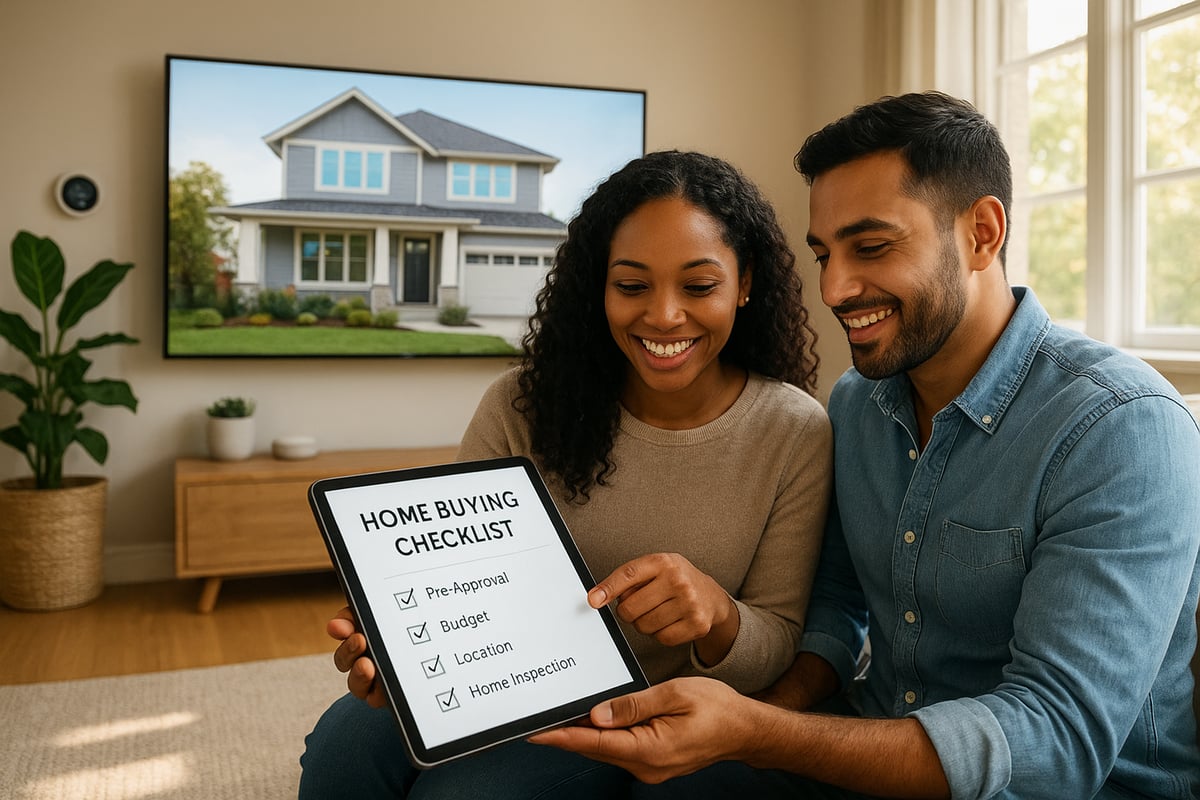
The housing market in 2026 is defined by rapid changes and heightened competition. As home prices continue to climb, with the U.S. median hitting over $416,000 in 2023, buyers face challenges in affordability and speed. Higher interest rates mean monthly payments are steeper, so acting quickly has become the norm in hot markets.
Remote work has changed what people want in a home, making space for offices and outdoor areas more desirable. Lifestyle priorities are shifting, and buyers are looking for flexibility in their living situations. To help navigate these changes, staying updated with the latest 2026 Housing Forecast is a smart move. Including these realities in your home buying checklist ensures you’re ready for what’s ahead.
Technology and Digital Tools in Modern Home Buying
Technology is transforming every step of the home buying checklist. Virtual tours and 3D walkthroughs let buyers explore homes from anywhere, saving time and expanding the search beyond local limits. AI-powered search engines now match you with homes that fit your exact needs and preferences, making the process more efficient.
Online calculators are a must for comparing mortgages and figuring out what you can truly afford. Blockchain and secure digital transactions are making paperwork less daunting, with contracts and disclosures handled online. Embracing these digital tools on your home buying checklist not only saves time but also helps you make informed decisions with confidence.
Sustainability, Energy Efficiency, and Smart Home Features
Sustainability is now a top priority for many buyers, and your home buying checklist should reflect that. There’s growing demand for energy-efficient homes equipped with solar panels, smart thermostats, and high-performance appliances. These features don’t just help the environment, they also lead to lower utility bills and greater comfort.
Smart home integrations are also on the rise, adding layers of convenience and security. Recent projections show more homes are being built or upgraded with these technologies each year. When searching, ask about Energy Star certifications and recent energy audits to ensure your new place meets your standards for efficiency.
The Importance of Professional Guidance
Even in a digital age, experienced real estate agents remain essential for your home buying checklist. Agents offer local market knowledge, strong negotiation skills, and the ability to spot pitfalls that online tools might miss. Their expertise helps you navigate paperwork, secure the best deal, and avoid costly mistakes.
A good agent can give you access to off-market listings and up-and-coming neighborhoods. They’re also invaluable when it comes to handling multiple offers and ensuring all your documents are in order. In a landscape filled with change, having a trusted professional by your side can make the difference between a stressful search and a smooth, successful home purchase.
8 Must-Haves for Your Home Buying Checklist in 2026
Ready to take on the adventure of homeownership in 2026? With the real estate market evolving rapidly, having a reliable home buying checklist is more important than ever. This section breaks down the eight essential must-haves you need to confidently navigate the process and secure your dream home.
Whether you are a first-time buyer or a seasoned mover, this home buying checklist is designed to keep you informed, empowered, and prepared for every step. For extra guidance on getting started, you can also check out these steps for first-time home buyers.
1. Financial Readiness & Pre-Approval Letter
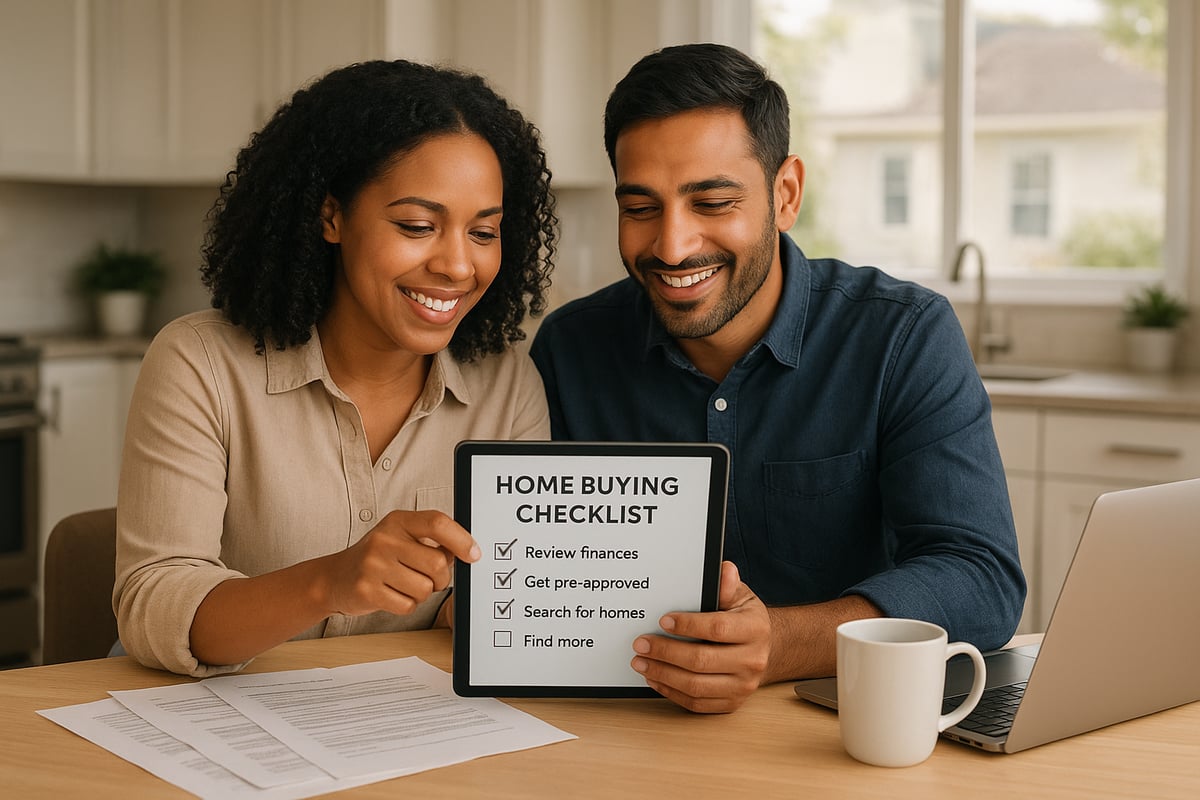
The foundation of any successful home buying checklist is financial readiness. Before you begin searching for homes, take stock of your finances. Start by checking your credit score, as this will impact your mortgage options and interest rates.
Next, calculate your debt-to-income ratio. Lenders usually look for a DTI under 43 percent for qualified mortgages. Review your savings to ensure you have enough for a down payment and closing costs. Don’t forget to factor in moving expenses and emergency funds.
Getting a pre-approval letter is a game changer in a competitive market. Unlike pre-qualification, pre-approval means a lender has reviewed your finances and is willing to lend you a specific amount. This strengthens your offer when you find the right home and can speed up the purchase process.
Use online affordability calculators to set a realistic budget. Gather documents like tax returns, pay stubs, and bank statements early. This preparation ensures your home buying checklist keeps you ahead of the curve and ready to act fast.
2. A Trustworthy Real Estate Agent or Broker
A knowledgeable agent is a cornerstone of your home buying checklist. An expert real estate agent guides you through every step, from house hunting to closing. Their local market knowledge, negotiation skills, and access to listings are invaluable.
When searching for an agent, ask for referrals and read reviews. Interview potential candidates about their experience, communication style, and familiarity with your target area. Remember, most sellers cover the buyer’s agent commission, making this support cost-effective.
Agents can help you uncover off-market properties and provide insight into rising neighborhoods. In bidding wars, having an advocate can make the difference between winning and losing your dream home. They also handle paperwork and help you avoid costly mistakes.
Questions to ask include: How do you keep clients informed? What’s your track record in this neighborhood? Do you have references? The right agent will make your home buying checklist less stressful and more successful.
3. Digital Home Search Tools & Virtual Tours
Modern home buying checklists must leverage technology. In 2026, digital platforms are essential for searching homes efficiently. Virtual tours and 3D walkthroughs let you explore properties from anywhere, saving time and expanding your options.
AI-powered search engines can match you with homes that fit your exact criteria. Set up alerts on mobile apps to receive instant notifications about new listings and price drops. These tools help you stay ahead in a fast-moving market.
Use online calculators to estimate monthly payments and compare mortgage options. Always verify listing details and cross-reference information from multiple sources. Not all listings update instantly, so double-check with your agent before making decisions.
With digital tools, your home buying checklist becomes more dynamic and flexible, making it easier to find the perfect home no matter where you are.
4. Comprehensive Home Inspection & Appraisal
No home buying checklist is complete without a thorough inspection and appraisal. A professional inspection checks the property’s structure, HVAC, plumbing, electrical systems, roof, and foundation. This step uncovers hidden problems that could cost thousands later.
Choose a reputable inspector with strong reviews and the right certifications. Attend the inspection if possible and ask questions about findings. The inspection report is your tool for negotiating repairs or credits with the seller.
Appraisals are required by lenders to confirm the home’s market value. If the appraisal comes in low, you may need to renegotiate or bring extra cash. Include an appraisal contingency in your contract to protect yourself.
By prioritizing inspections and appraisals, your home buying checklist safeguards your investment and ensures peace of mind.
5. Energy Efficiency, Sustainability, & Smart Home Features
Sustainability is a growing priority on every home buying checklist in 2026. Buyers want eco-friendly features like solar panels, high-efficiency HVAC systems, smart thermostats, and double-pane windows. These upgrades can lower utility bills and increase property value.
Check for certifications like Energy Star or a strong HERS rating to gauge a home’s energy performance. Smart home technology adds convenience and security, making daily life easier and more efficient.
Ask sellers about recent upgrades, energy audits, or warranties on appliances. Balance upfront costs with long-term savings and consider potential tax credits for energy-efficient improvements.
Smart features and sustainability are not just trends—they’re investments that pay off. Make sure your home buying checklist includes evaluating these benefits for a greener, smarter future.
6. Neighborhood & Community Research
Location is a key part of any home buying checklist. Where you live impacts your lifestyle, daily routines, and property value. Research schools, commute times, local amenities, crime rates, and future development plans.
Use online tools to check school ratings and walkability scores. These factors can influence home values and your overall satisfaction. Visit neighborhoods at different times of day to get a true feel for the area.
Talk to current residents for firsthand insights about community culture, noise, and safety. Review HOA rules, fees, and expectations to avoid surprises. Look at trends in property values and upcoming projects that could impact your investment.
Thorough research ensures your home buying checklist leads you to a community where you’ll feel right at home.
7. Legal, Title, and Documentation Readiness
Legal and title preparation is a must on any home buying checklist. Start with a title search to ensure the property is free of liens or disputes. Title insurance protects you against future claims.
Review all contracts and seller disclosures with care. In some states or complex transactions, a real estate attorney is recommended. Common documents include the purchase agreement, inspection reports, and seller disclosures.
Understand all contingencies and deadlines in your contract. Stay organized with a checklist of required paperwork for your mortgage application. Use secure digital signing and storage to protect your information from fraud.
Being legally prepared helps your home buying checklist run smoothly and protects your interests.
8. Closing Preparation & Move-In Logistics
The final steps on your home buying checklist involve closing and moving in. Schedule a final walkthrough to confirm repairs and property condition. Review the settlement statement and understand all closing costs.
Coordinate with movers, utility providers, and update your address. Plan the timing to avoid gaps in essential services. Review your final loan documents and know your rights as a new homeowner.
Create a move-in checklist and timeline to keep things organized. Set up home warranties and plan for ongoing maintenance. Celebrate your accomplishment and get ready to enjoy your new home.
With these eight must-haves, your home buying checklist is your trusted roadmap for a smooth, confident, and successful journey.
Key Mistakes to Avoid When Buying a Home in 2026
Buying a home is a joyful milestone, but even the most prepared buyers can stumble if they overlook key pitfalls. As you work through your home buying checklist, it is crucial to stay alert to the most common mistakes buyers make in 2026’s fast-paced market.

Let’s look at the most frequent missteps and how you can sidestep them for a smoother, less stressful journey.
| Mistake | Potential Consequence |
|---|---|
| Overextending your budget | Financial strain, risk of foreclosure |
| Skipping inspections | Costly repairs, hidden issues |
| Waiving contingencies | Little protection if problems arise |
| Not researching neighborhoods | Buyer’s remorse, lower resale value |
| Not comparing mortgage offers | Higher interest rates, increased costs |
| Overlooking hidden expenses | Unexpected bills, strained finances |
| Ignoring long-term needs | Outgrowing the home, regret |
| Relying only on online info | Missed red flags, poor decisions |
Overextending Your Budget
In a competitive market, it is easy to feel pressured to stretch your finances. However, sticking to the budget you set in your home buying checklist protects your long-term financial health. Emotional decisions can lead to monthly payments that strain your lifestyle or even threaten your ability to keep the home.
Skipping Inspections and Waiving Contingencies
With bidding wars common, some buyers consider skipping inspections or waiving contingencies to make their offers more attractive. This can backfire, leaving you responsible for costly repairs or stuck in a contract with little protection. A thorough inspection should always be a non-negotiable step on your home buying checklist.
Failing to Research Neighborhoods
Not all communities are created equal. Failing to dig into local amenities, school ratings, crime statistics, and future development plans can lead to buyer’s remorse. Use your home buying checklist to compare neighborhoods and visit at different times of day for a true feel.
Not Comparing Multiple Mortgage Offers
Many buyers accept the first mortgage offer they receive. By shopping around, you could save thousands over the life of your loan. In fact, buyers in recent years paid higher interest rates by not comparing options. Use online calculators and talk to several lenders to see who offers the best terms for you.
Overlooking Hidden Expenses
It’s easy to focus on the sale price and forget about additional costs. Remember to include these in your home buying checklist:
- HOA fees
- Property taxes
- Homeowners insurance
- Maintenance and repairs
These expenses add up quickly and can impact your overall budget.
Ignoring Long-Term Needs and Relying Only on Online Information
Think beyond your current needs. Will your home suit you if your family grows or your job changes? Also, do not rely solely on online listings or automated valuations. Work with trusted professionals who can offer insights you might miss.
If you want a deeper dive into avoiding these traps, check out Common homebuyer mistakes to avoid for more tips and examples.
Staying mindful of these key mistakes and updating your home buying checklist as you go can save you time, money, and stress. Remember, every step you take now helps ensure your future home is the right fit for you and your loved ones.
Frequently Asked Questions About Home Buying in 2026
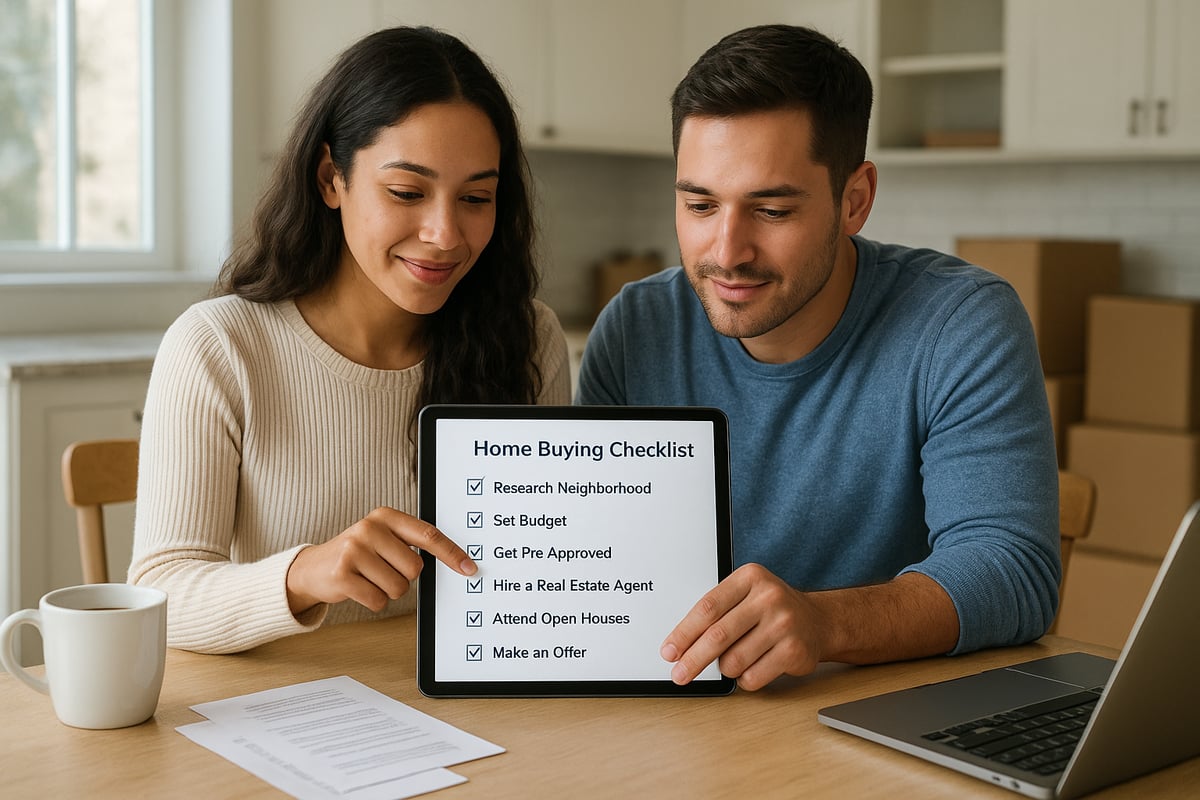
Buying a home in 2026 can feel overwhelming, especially with so many new trends and technologies. We’ve gathered the most common questions to help you navigate your home buying checklist with confidence.
What’s changed in the home buying process for 2026 compared to previous years?
Expect more digital tools, faster transactions, and a stronger focus on sustainability. For an in-depth look, check out 2026 Housing Market Trends.
How do I choose the right mortgage type for my situation?
Compare fixed and adjustable rates, loan terms, and lender incentives. Use your home buying checklist to evaluate your financial goals, risk tolerance, and monthly budget.
Are virtual home tours as reliable as in-person visits?
Virtual tours are now highly detailed, making it easier to view homes remotely. However, an in-person visit is still recommended before making a final decision.
What documents do I need for a mortgage application in 2026?
You’ll typically need proof of income, tax returns, bank statements, and identification. Your home buying checklist should include collecting these documents early to speed up approval.
How can I make my offer stand out in a competitive market?
Get pre-approved, limit contingencies, and work with a trusted agent. A personal letter to the seller can also help set your offer apart.
What are the latest trends in sustainable and smart home features?
Buyers are prioritizing energy efficiency, smart security, and automation. For inspiration, see 2026 Smart Home Trends.
How do I avoid common home buying scams or fraud?
Always verify professionals and use secure platforms for document sharing. Never wire money without confirming details directly with your agent or lender.
Where can I find reputable professionals to help with my purchase?
Ask for referrals, read reviews, and interview agents or lenders. Your home buying checklist should include steps to vet and compare local experts in your area.
We’ve covered a lot together—from navigating new digital tools to making sense of market trends and crafting your perfect home buying checklist for 2026. It’s a big journey, but you don’t have to go it alone. If you’re feeling inspired and ready to start turning your homeownership dreams into reality, I’m here to help every step of the way. Let’s put all these must haves into action and find a place you’ll truly love. Ready to take that first step? Start Your Home Search